Ancient world · state
Neo-Assyrian Empire
The largest empire yet seen ruled from Egypt to Iran, then collapsed within two decades after Nineveh fell in 612 BC.
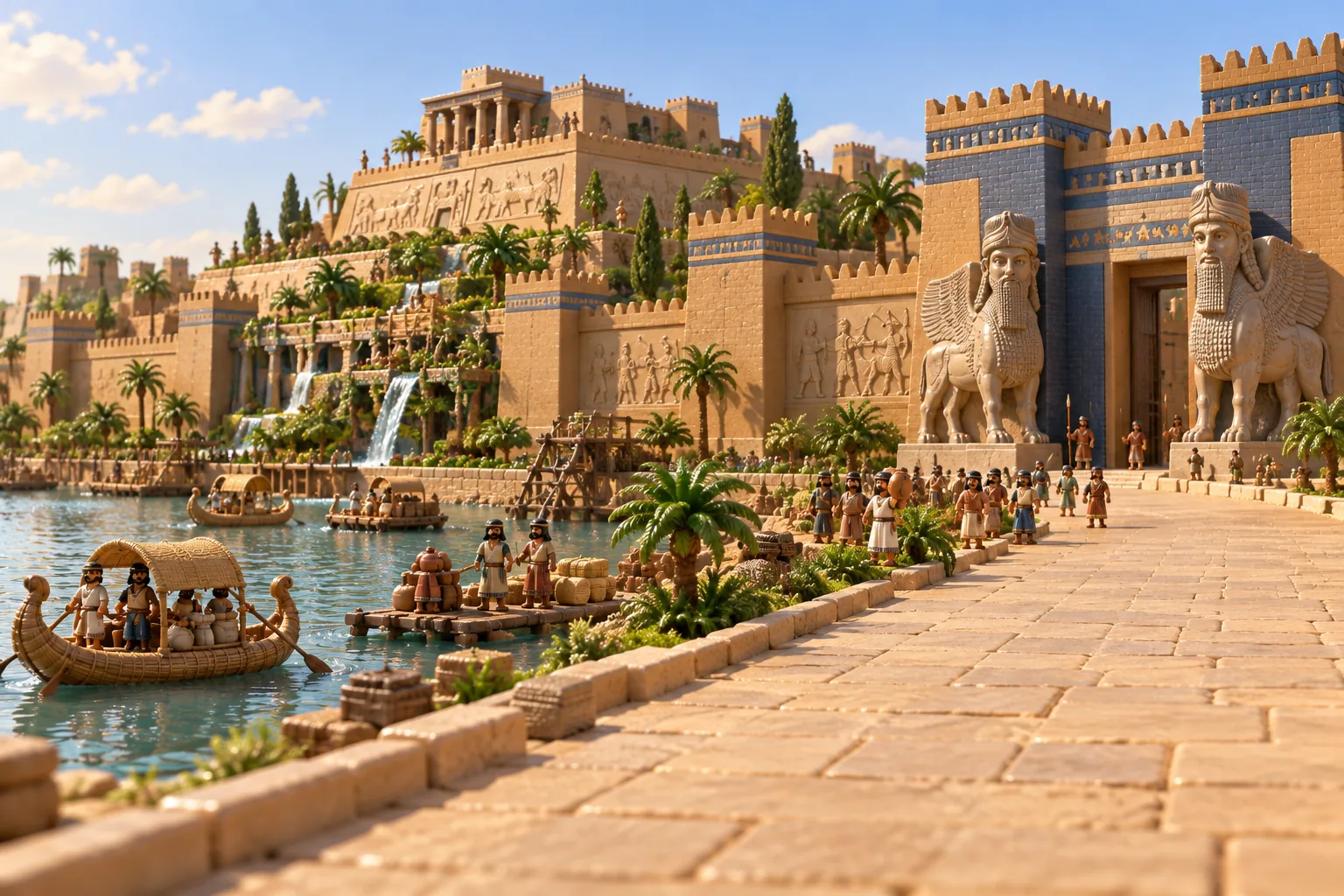
With the accession of Adad-nirari II in 911 BC, the kings of Assur on the upper Tigris began to win back their lost lands. Ashurnasirpal II, one of the most brutal kings in Assyrian history, campaigned to the Mediterranean, where his inscriptions boast that his army washed its weapons in the sea, and in 879 BC he made Nimrud his capital, employing thousands of workers on its walls and palaces.
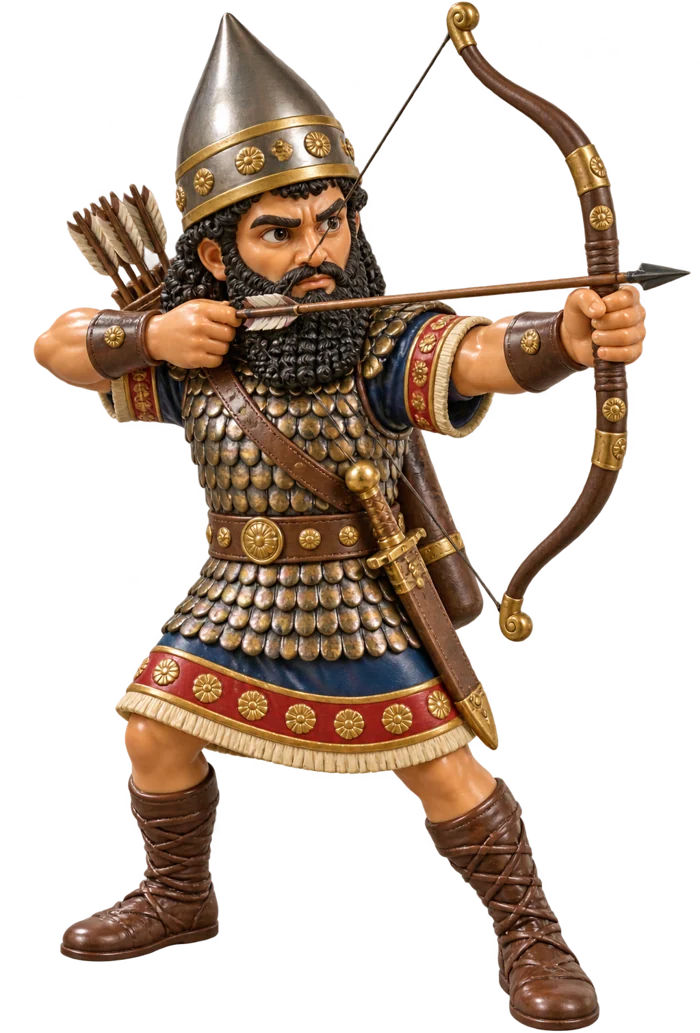
Tiglath-Pileser III, who came to the throne in 745 BC, turned Assyria into a true empire. He resettled tens to hundreds of thousands of conquered people across his lands, a policy that spread Aramaic as the common language of the Near East. Sennacherib moved the capital to Nineveh, and Esarhaddon, who reigned from 681 to 669 BC, conquered Egypt and brought the empire to its largest size. At its height it was the strongest military power in the world. Ashurbanipal captured and devastated the Elamite capital of Susa.
The fall was swift. Nabopolassar made Babylonia independent in 626 BC, and the Medes, united under Cyaxares, invaded Assyria. Assur was sacked in 614 BC, and in 612 BC, after a two-month siege, Nineveh fell and King Sinsharishkun died defending it. An Assyrian prince held out at Harran in the west, but by 609 BC the empire was gone.
Read more on Wikipedia
Sources: en.wikipedia.org/wiki/Neo-Assyrian Empire, en.wikipedia.org/wiki/Battle of Nineveh (612 BC)


