Ancient world · state
Sheba
A desert-edge kingdom of incense traders tamed the monsoon floods with a dam and gave the Bible its Queen of Sheba.
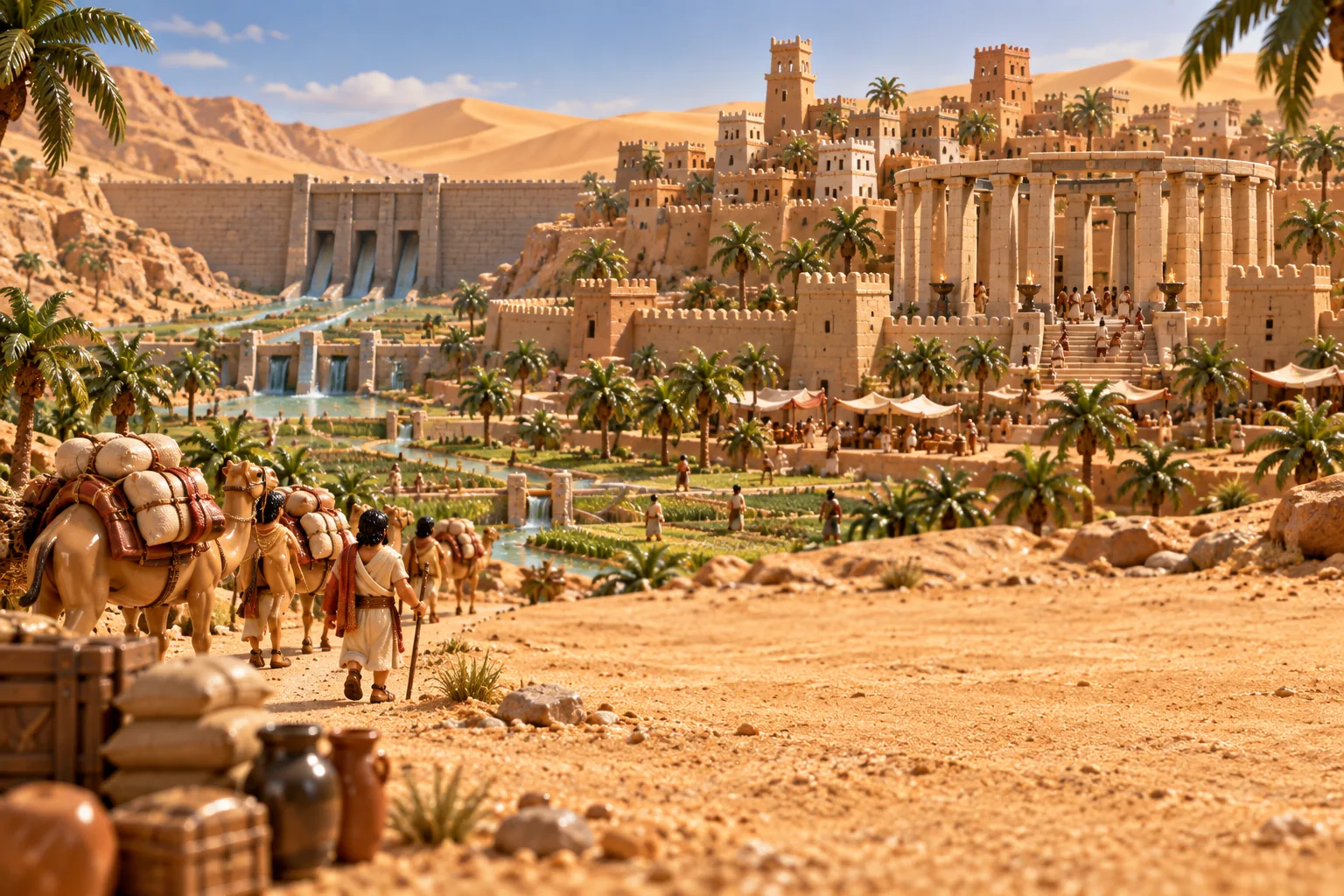
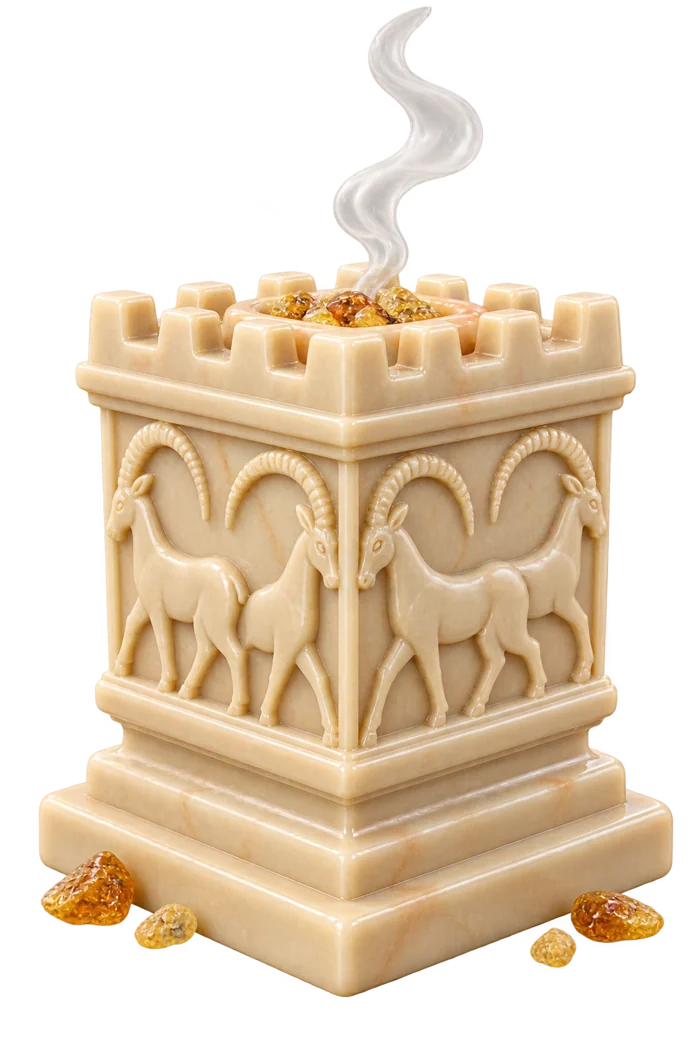
Saba, the Sheba of the Bible, was a kingdom of South Arabia whose heartland lay around Marib and Sirwah on the edge of the Sayhad desert in Yemen. Its people, the Sabaeans, spoke and wrote Sabaic, and they left about 6,500 of the 12,000 known ancient South Arabian inscriptions. They grew rich on the caravan trade in frankincense and myrrh, which they sent north to the Middle Euphrates, later to Gaza and then to Petra.
Saba was at its strongest between the 8th and 6th centuries BC, when its rulers took the title mukarrib, federator. Karib'il Watar conquered Awsan, Qataban and Hadhramaut, ruled from Najran to the Gulf of Aden and was in contact with the Assyrian king Sennacherib. Marib, protected by a wall up to 14 metres thick, was the largest city of ancient South Arabia, and the Temple of Awwam outside it was the main shrine of the national god Almaqah.
After the 6th century BC Qataban, Hadhramaut and Ma'in grew stronger and Saba shrank back to Marib. Rome's conquest of Egypt diverted the incense trade to the sea, and a Roman army under Aelius Gallus besieged Marib around 25 BC but gave up in the heat. Himyar annexed Saba, which revived for a time, and around 275 the Himyarites conquered it for good.
Read more on Wikipedia
Sources: en.wikipedia.org/wiki/Sheba, en.wikipedia.org/wiki/Marib Dam