Early modern · state
Sultanate of Sulu
In 1878 its sultan signed over North Borneo for a yearly payment, and Malaysia kept sending the sultan's heirs a cheque until 2013.
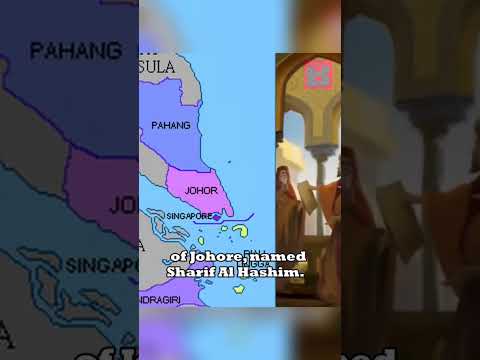
Islam reached the Sulu islands between Mindanao and Borneo through traders and Sufi preachers; tradition says Karim ul-Makhdum built the first mosque in the Philippines on Simunul island in 1380. The sultanate was founded either in 1405 or in 1457 by Sharif ul-Hashim, a religious scholar born in Johor. Chinese records name Sulu from 1349, and its envoys carried tribute to the Ming emperors. In 1578 it broke free of Brunei, and its lands came to stretch across the islands to north-eastern Borneo.
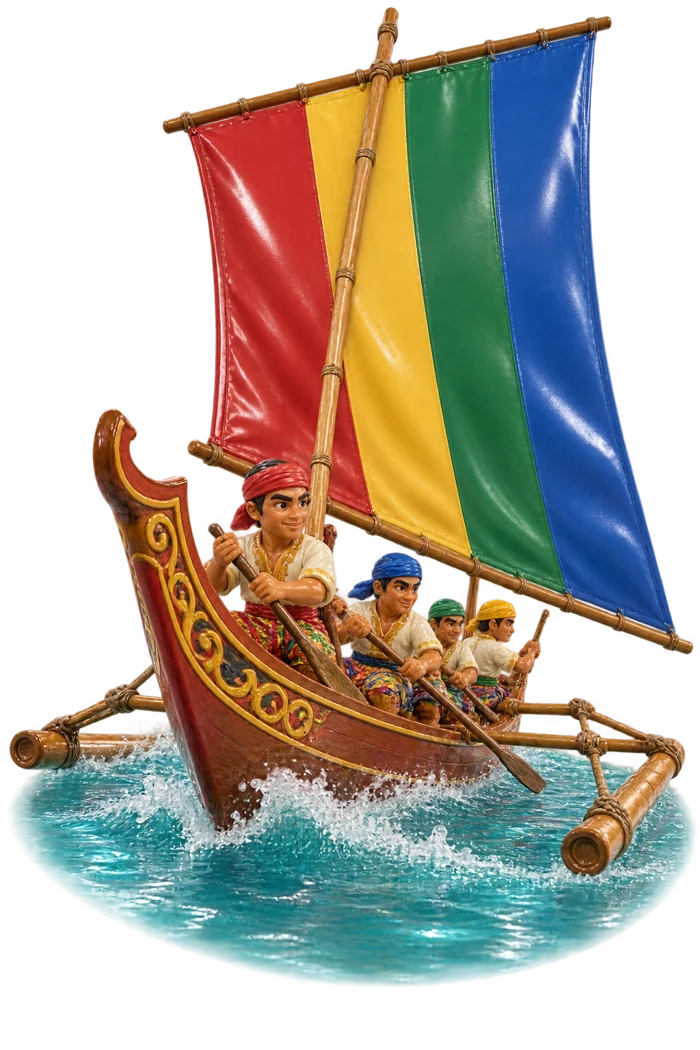
For three centuries Sulu resisted Spain. Its datus sailed fast lanong and garay warships armed with swivel guns, raided the Spanish Visayas and the coasts of Borneo for captives to sell, and by the 18th century were masters of the Sulu Sea. Even when the Spaniards took the capital Jolo, other towns like Maimbung held out. Sultan Azim ud-Din I fought the Tidung in Borneo in 1746 with Spanish help.
In 1851 Spain attacked Jolo and forced a treaty that made Sulu part of the Philippines under Spanish sovereignty. On 22 January 1878 Sultan Jamal ul-Azam signed over his Borneo lands, Sabah, to the businessman Gustav Overbeck, and the same year Spain forced the sultanate's final surrender. After the Moro Rebellion, the American Carpenter Agreement of 22 March 1915 ended the sultan's political power.
Read more on Wikipedia
Sources: en.wikipedia.org/wiki/Sultanate of Sulu, en.wikipedia.org/wiki/North Borneo dispute