Industrial age · state
Kingdom of Bavaria
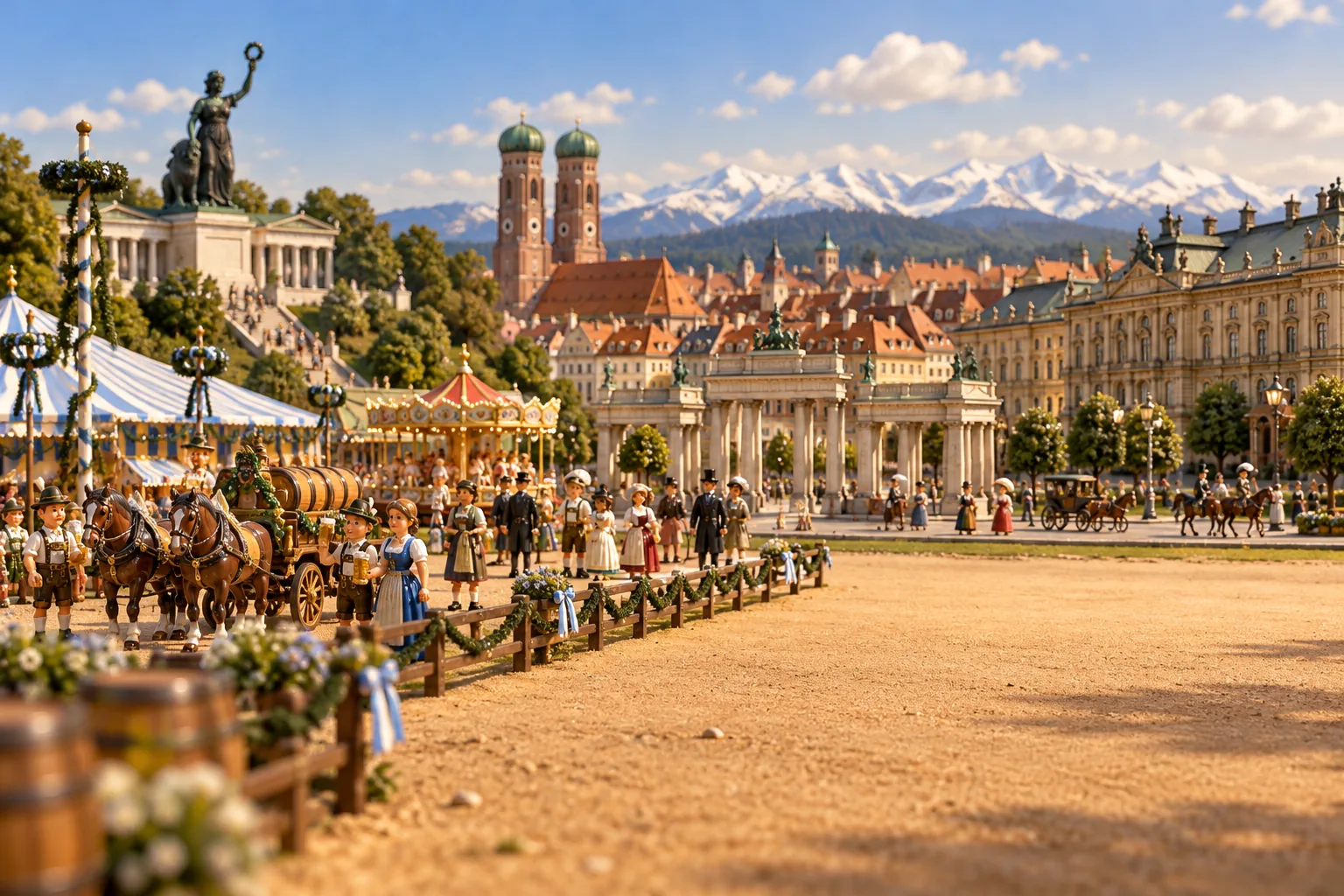
Napoleon made it a kingdom, a royal wedding gave it the Oktoberfest, and its dreamy king Ludwig II went deep into debt building fairy-tale castles.
As an ally of Napoleon, the Wittelsbach elector Maximilian IV Joseph used the Peace of Pressburg to raise Bavaria to a kingdom, and on 1 January 1806 he proclaimed himself King Maximilian I. The country's area doubled, though in 1814 it gave Tyrol and Vorarlberg back to Austria in exchange for Würzburg and Aschaffenburg. His minister Count Montgelas modernised the administration, and in 1818 Bavaria received a constitution with a two-chamber parliament.
Ludwig I, king from 1825, filled Munich with neoclassical buildings. His second son, Otto, was chosen King of Greece in 1832, and in 1835 the first German railway opened in Bavaria, between Nuremberg and Fürth. In the revolutions of 1848 Ludwig abdicated in favour of his son Maximilian II.
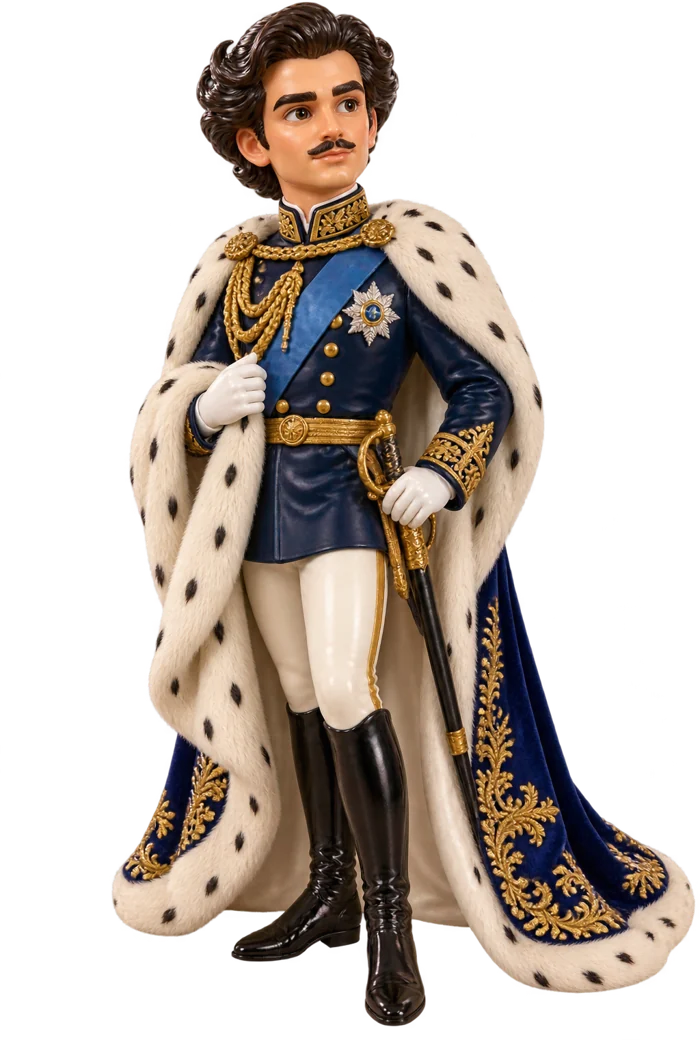
In 1864 the eighteen-year-old Ludwig II came to the throne. Bavaria sided with Austria and lost the war of 1866, and in 1871 Ludwig proposed the Prussian king as German Emperor, bringing Bavaria into the new German Empire. He then withdrew into building fairy-tale castles and fell deep into debt. In 1886 doctors declared him insane, and the next day he was found dead in Lake Starnberg. His uncle Luitpold ruled as regent, and on 7 November 1918 King Ludwig III fled Munich as revolution turned Bavaria into a republic.
Read more on Wikipedia
Sources: en.wikipedia.org/wiki/Kingdom of Bavaria, en.wikipedia.org/wiki/Oktoberfest, en.wikipedia.org/wiki/Neuschwanstein Castle
