Our time · state
Kingdom of Libya
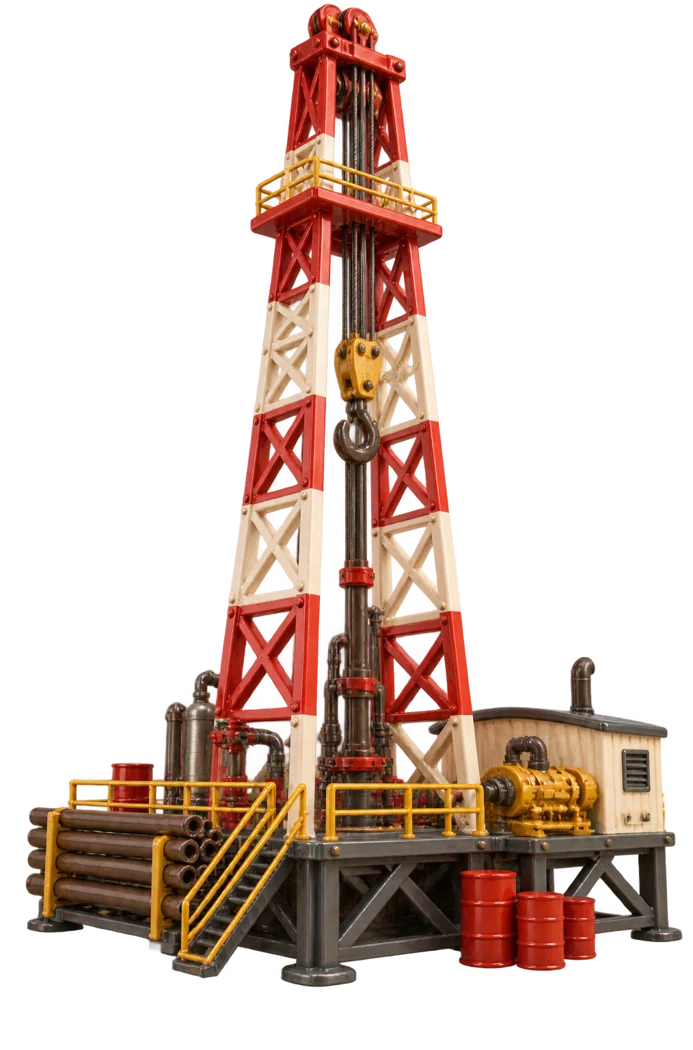
It began as a poor desert kingdom of three regions, then in June 1959 prospectors confirmed huge oil deposits in Cyrenaica.
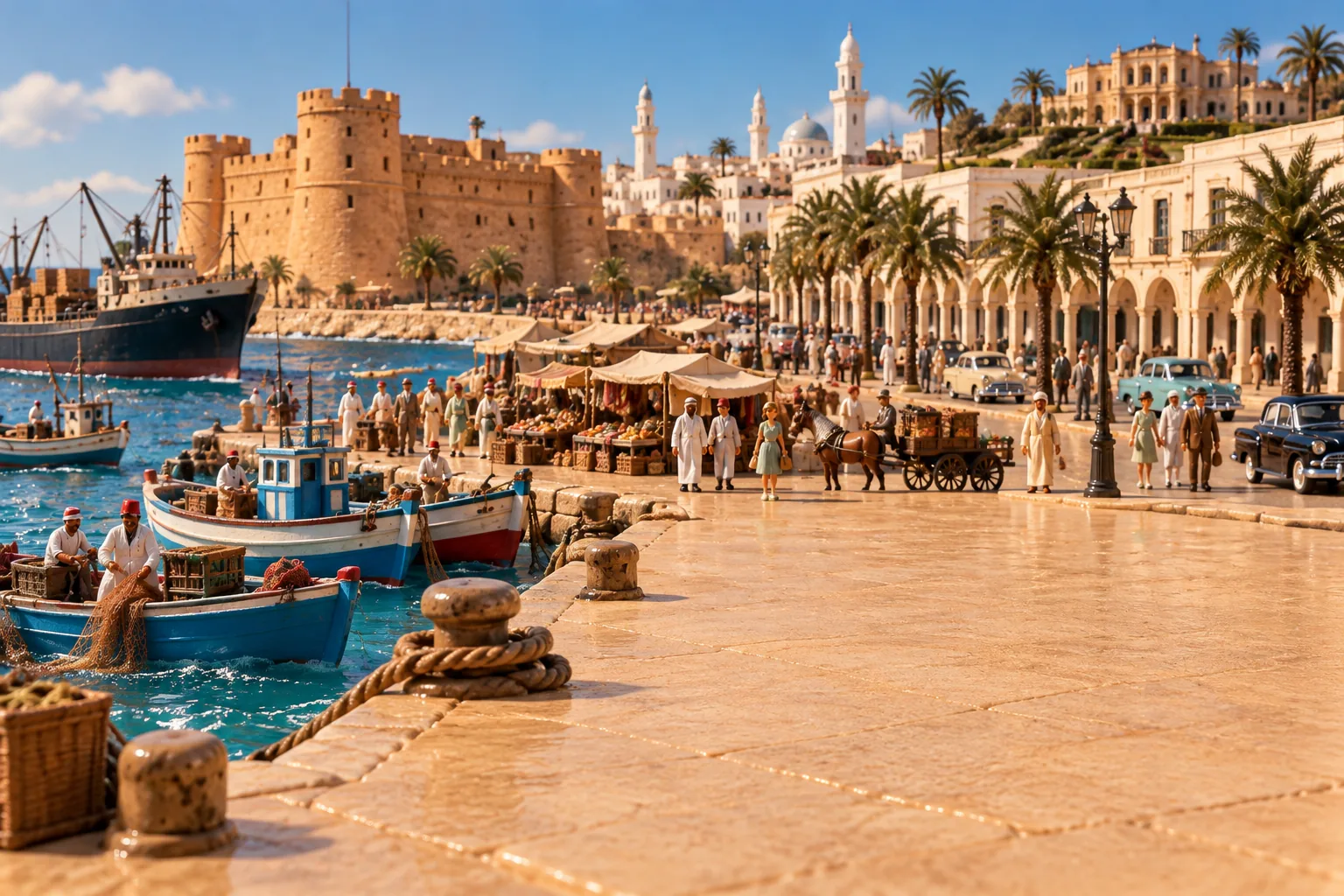
After the Second World War, Italy's former colony was run by Britain and France. With the backing of the United Nations, which helped draft its constitution, the three regions of Cyrenaica, Tripolitania and Fezzan became the United Kingdom of Libya on 24 December 1951. Its king was Idris, head of the Sanusi religious order and Emir of Cyrenaica since the 1920s, who had once come to terms with Italy. Tripoli and Benghazi served in turn as the capital.
The new state was poor and loosely federal, and Idris banned political parties. It leased bases to Britain and the United States, including Wheelus Air Base near Tripoli, and the University of Libya opened in Benghazi in 1955. In 1956 two American oil companies received a vast concession, and in June 1959 Esso confirmed major oil fields at Zaltan. Libya amended its oil law to raise its share of the revenue and launched its first five-year plan in 1963.
That April parliament abolished the federation and divided the country into ten provinces under a unitary monarchy, and Libya was among the founders of the Organization of African Unity. But Arab nationalism and anger at corruption grew. On 1 September 1969, while Idris was in Turkey for medical treatment, army officers under Muammar Gaddafi overthrew the monarchy in a bloodless coup.
Read more on Wikipedia
Sources: en.wikipedia.org/wiki/Kingdom of Libya, en.wikipedia.org/wiki/Idris of Libya
