Industrial age · state
Korean Empire
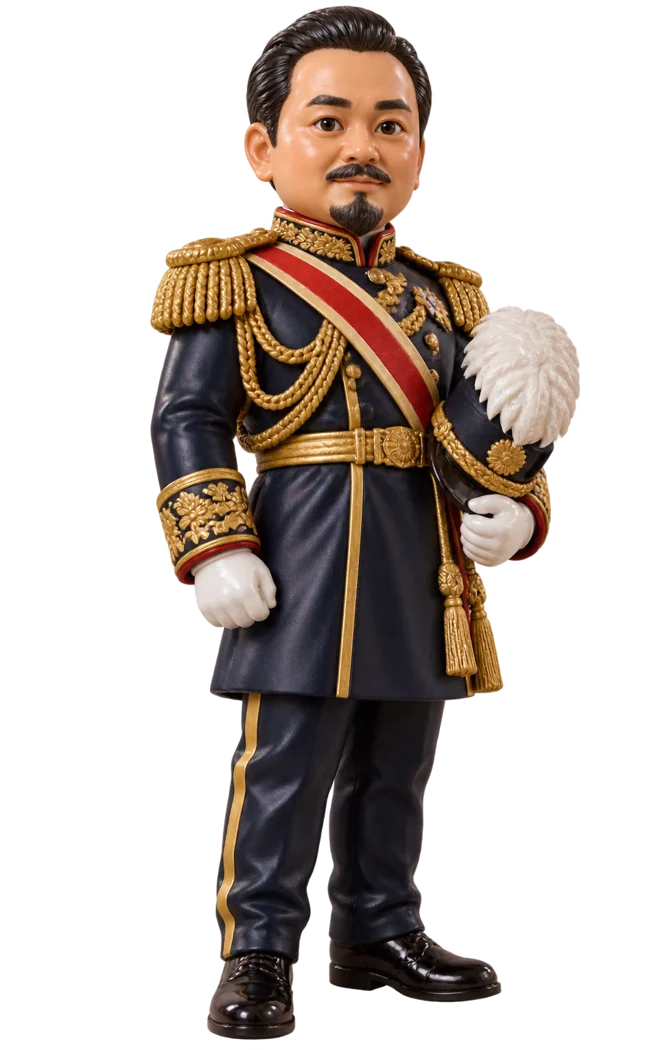
King Gojong proclaimed himself emperor in 1897 to show Korea was no one's vassal, but Japan annexed it thirteen years later.
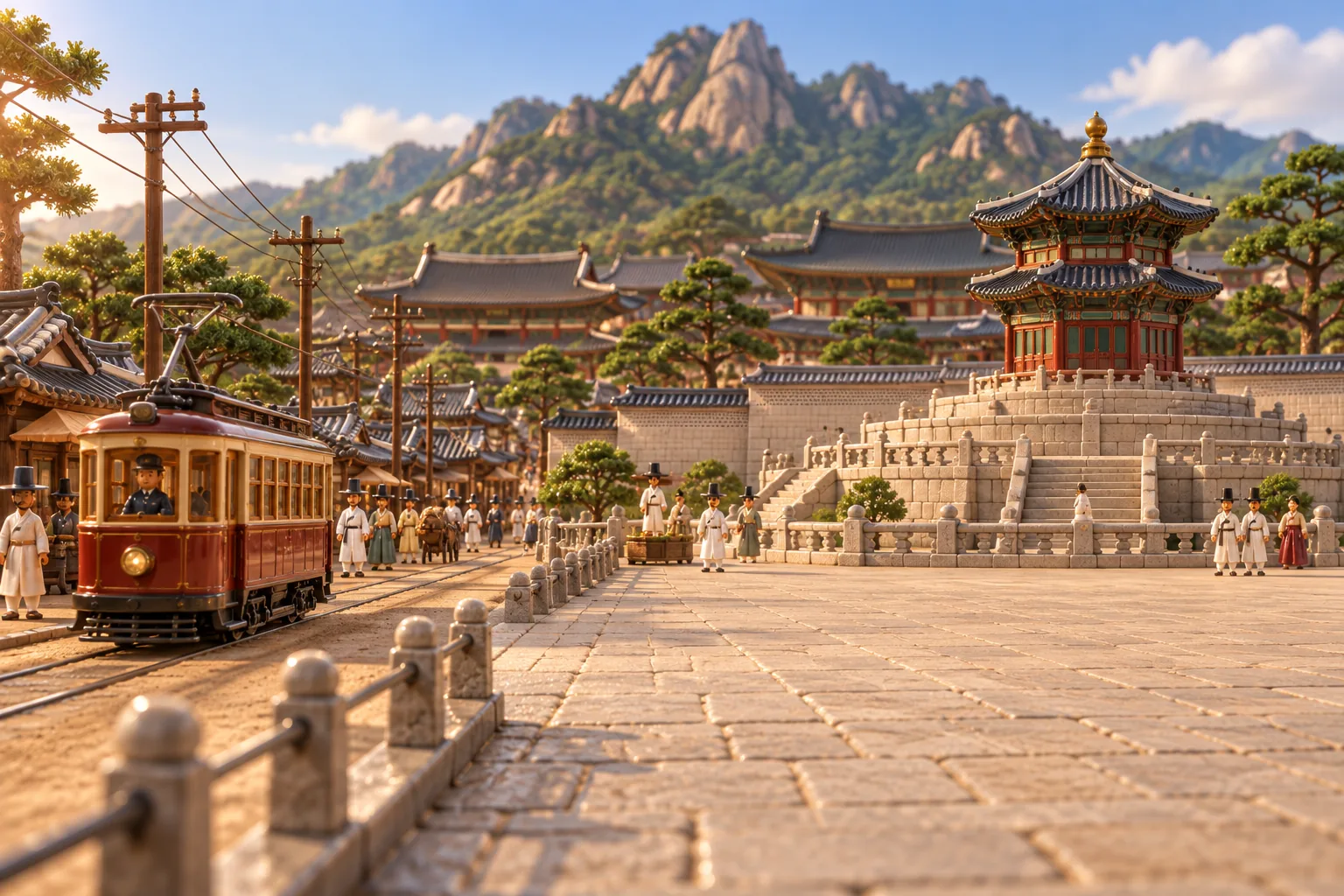
For centuries the Joseon kings of Korea had sent tribute to China. Japan's victory in the First Sino-Japanese War ended that tie, and many Korean officials saw an empire as the best way to show that Korea stood on its own. King Gojong had spent a year sheltering in the Russian legation in Seoul; after he returned, officials urged him to take the imperial title. In October 1897 he was crowned emperor at the Hwangudan altar, named the state Daehan and called his reign Gwangmu.
Under the Gwangmu Reform the empire modernised its army, land system, schools and industries in part on Western lines, and until 1905 it was making progress. But Japan's victory over Russia changed everything. After the Treaty of Portsmouth in September 1905, Japan forced the Eulsa Treaty on Korea and made it a protectorate, although Gojong opposed it.
Gojong secretly sent envoys to the peace conference at The Hague in 1907 to denounce the treaty. In return Japan forced him to abdicate, and his son Sunjong became emperor on 19 July 1907. Regiments of the Imperial Korean Army were disbanded from 31 July, and many soldiers joined the righteous armies resisting Japan. The Japan–Korea Treaty of 1910 was signed on 22 August and announced on 29 August, and the empire ceased to exist.
Read more on Wikipedia
Sources: en.wikipedia.org/wiki/Korean Empire, en.wikipedia.org/wiki/Hague Secret Emissary Affair

