Early modern · state
House of Savoy
A family that began with one poor county in the Alps traded Sicily for Sardinia in 1720 and ended up ruling all of Italy.
The dynasty descends from Humbert I, called Biancamano, count of Sabaudia in the Alps from 1003. His ancestry is uncertain, and his county was poor, but his heirs gained control of the mountain passes between France and Italy. His son Otto married Adelaide of Turin, which brought Susa, Turin and Pinerolo into the family, and the lands on both sides of the Alps came to be called Savoy. In 1416 the emperor Sigismund raised Amadeus VIII to the rank of duke.
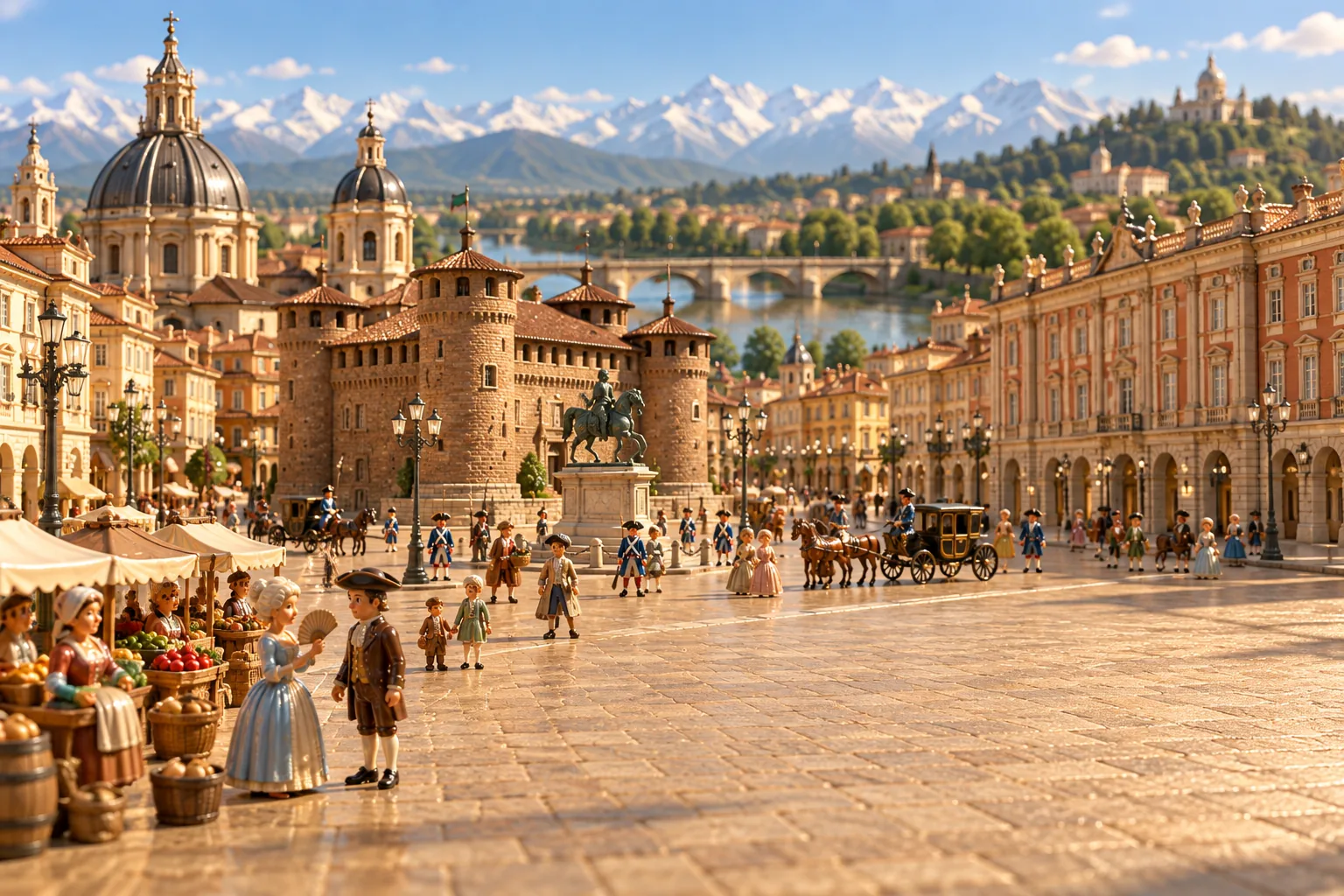
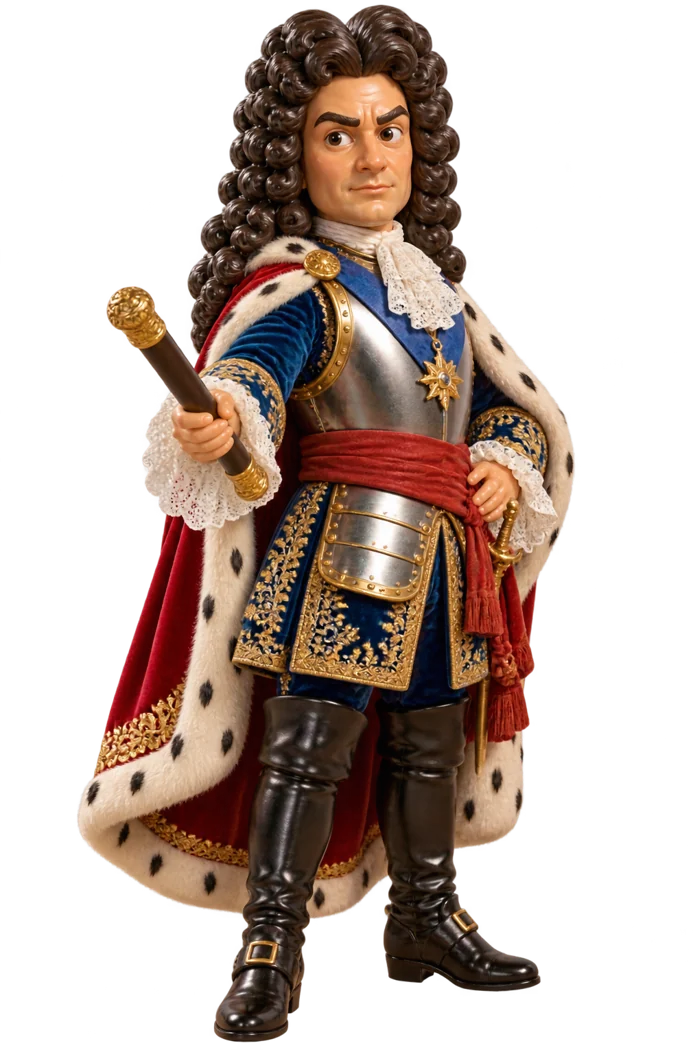
In the Italian Wars the duchy was overrun, and in 1536 Francis I of France took Turin. Duke Emmanuel Philibert won it back the hard way. He served Philip II of Spain as governor of the Netherlands, won the battle of St Quentin against France in 1557, regained his lands piece by piece and moved the capital from Chambéry to Turin. In the War of the Spanish Succession Victor Amadeus II changed sides at the right moment, and in 1713 the Treaty of Utrecht made him King of Sicily.
In 1720 the Savoys had to swap Sicily for Sardinia, and their state became the Kingdom of Sardinia, ruled from Turin. In 1861 Victor Emmanuel II became King of Italy. The monarchy ended after the referendum of 1946, when Umberto II, king for only a few weeks, left for exile.
Read more on Wikipedia
Sources: en.wikipedia.org/wiki/House of Savoy

