Antiquity · state
Galatia
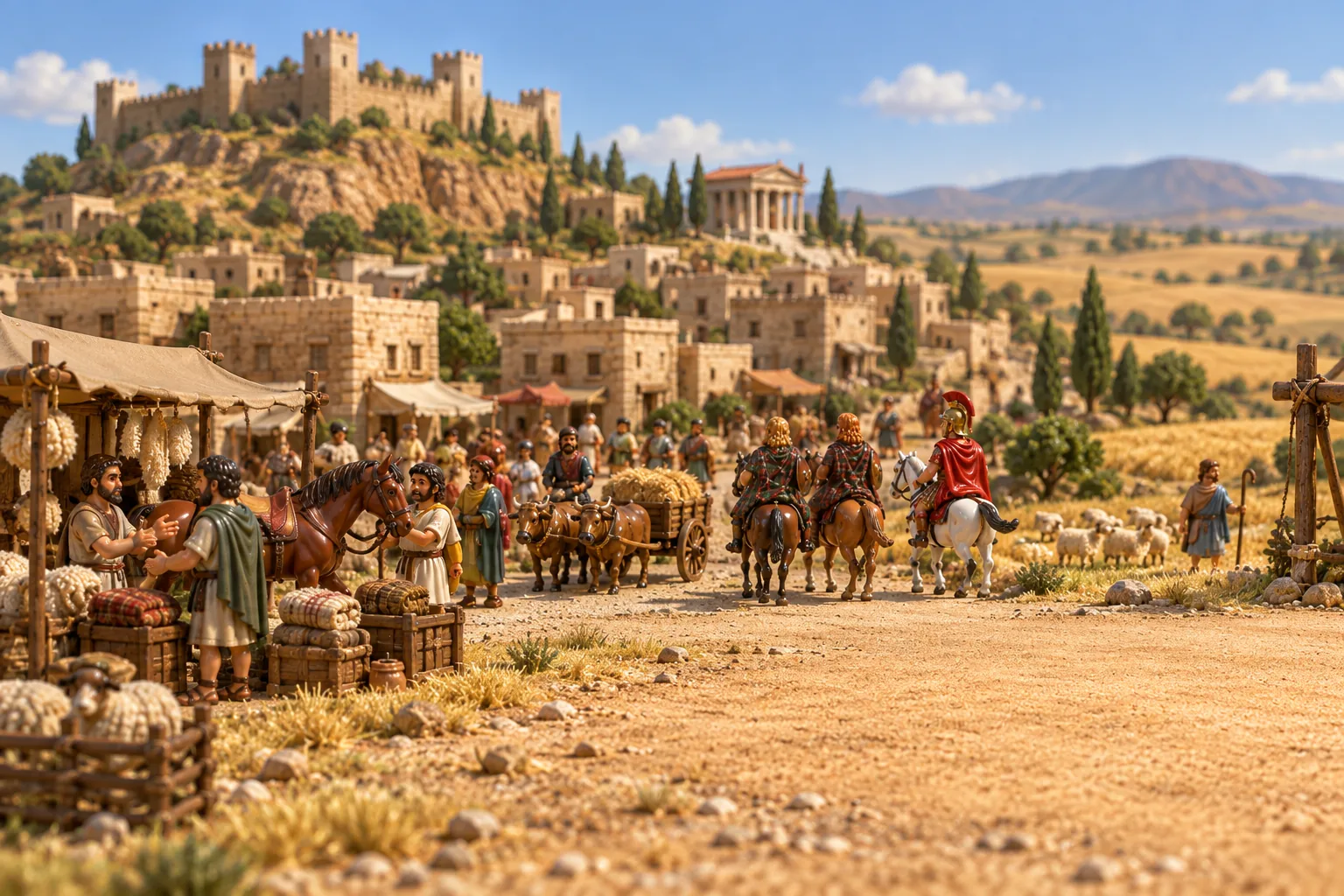
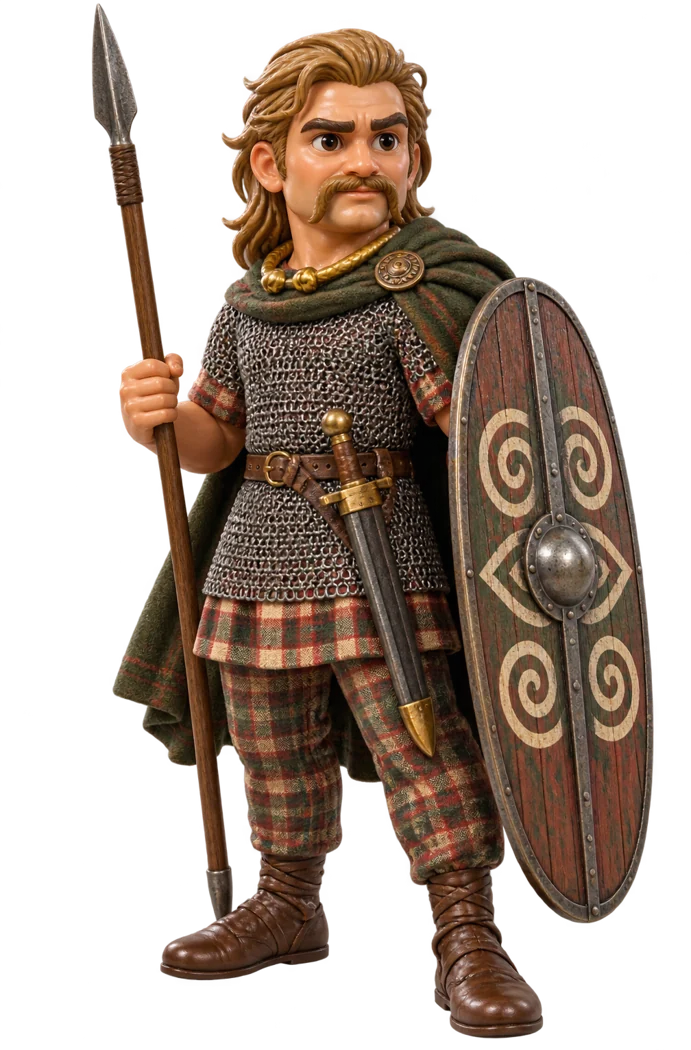
Celtic mercenaries crossed into Anatolia in the 270s BC and carved out a homeland around Ankara, later addressed in Paul's Epistle to the Galatians.
In 279 BC Celtic war bands led by Brennus pushed south into Greece, and a large group broke off towards Asia Minor. King Nikomedes I of Bithynia hired 20,000 of them as mercenaries, and they crossed the Bosporus and the Hellespont. Free of his control by 277 BC, they raided Greek cities such as Cyzicus, Ilion and Priene until the Seleucid king Antiochus I met them in the Battle of the Elephants. They then settled in the highlands of northern Phrygia, which became Galatia.
The Galatians were three tribes, the Tectosages, the Trocmii and the Tolistobogii, living around towns such as Ancyra, Pessinus, Tavium and Gordion. Attalus I of Pergamon celebrated a victory over them with statues of defeated Gauls. By the first century BC they had become so Greek in their ways that writers called them Hellenogalatai, yet they kept their own language.
Deiotarus, chief of the Tolistobogii, helped Rome against Mithridates and was rewarded by Pompey with the title of king. He sided with Pompey in the civil war but was pardoned by Caesar, and in 45 BC Cicero defended him in Caesar's own house against a charge of plotting murder. When his successor Amyntas died in 25 BC, Augustus made Galatia a Roman province, and the apostle Paul later wrote to its churches in his Epistle to the Galatians.
Read more on Wikipedia
Sources: en.wikipedia.org/wiki/Galatia, en.wikipedia.org/wiki/Deiotarus, en.wikipedia.org/wiki/Dying Gaul


