Early modern · state
Sweden
A young nobleman who, the story goes, fled from his enemies on skis was made king on 6 June 1523, now Sweden's National Day, and Sweden has not been at war since 1814.
Historians start the line of Swedish kings with Erik the Victorious and his son Olof Skötkonung, who ruled both Svealand and Götaland in the late 10th century. In the Middle Ages Swedish expeditions brought Finland into the kingdom. In 1397 Queen Margaret I joined Sweden, Norway and Denmark in the Kalmar Union. When Christian II of Denmark tried to hold the union by force, he had Swedish nobles massacred in the Stockholm Bloodbath of 1520.
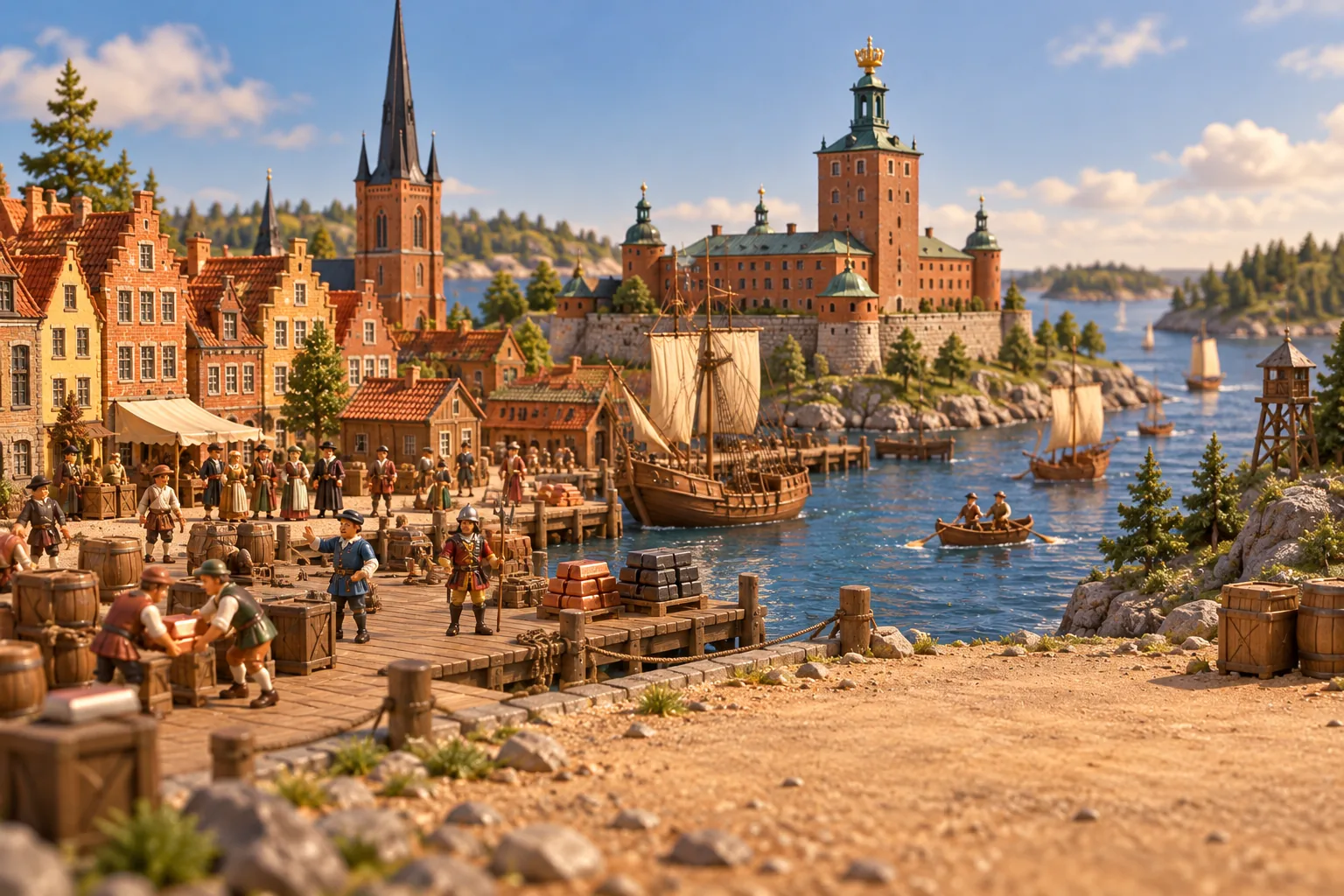
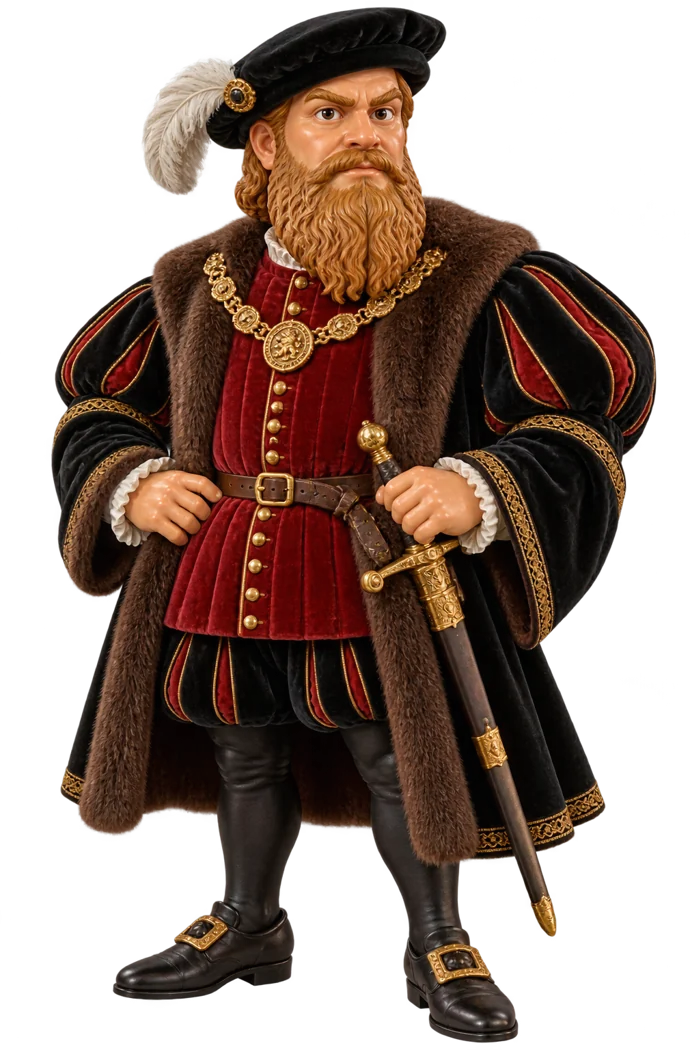
The young noble Gustav Eriksson raised the men of Dalarna, and on 6 June 1523 he was made king as Gustav Vasa. He broke with Rome and led Sweden into the Lutheran Reformation, called all four estates to the Riksdag and broke the trade monopoly of the Hanseatic League. From 1611 Gustavus Adolphus made Sweden a great power on the Baltic, until the Treaty of Nystad in 1721 ended its empire.
In 1809 Sweden lost Finland to Russia. In 1814 it forced Norway into a union that lasted until 1905, and that campaign was the last time Sweden went to war. In the 1880s more than one per cent of the people emigrated each year, most to America. Sweden stayed officially neutral in both world wars, built one of the world's most developed welfare states and joined the European Union on 1 January 1995.
Read more on Wikipedia
Sources: en.wikipedia.org/wiki/Sweden, en.wikipedia.org/wiki/Gustav Vasa