Antiquity · state
Northern Wei
Its Xianbei emperor moved his capital to Luoyang in 494 and the next year banned his own people's language and dress at court.
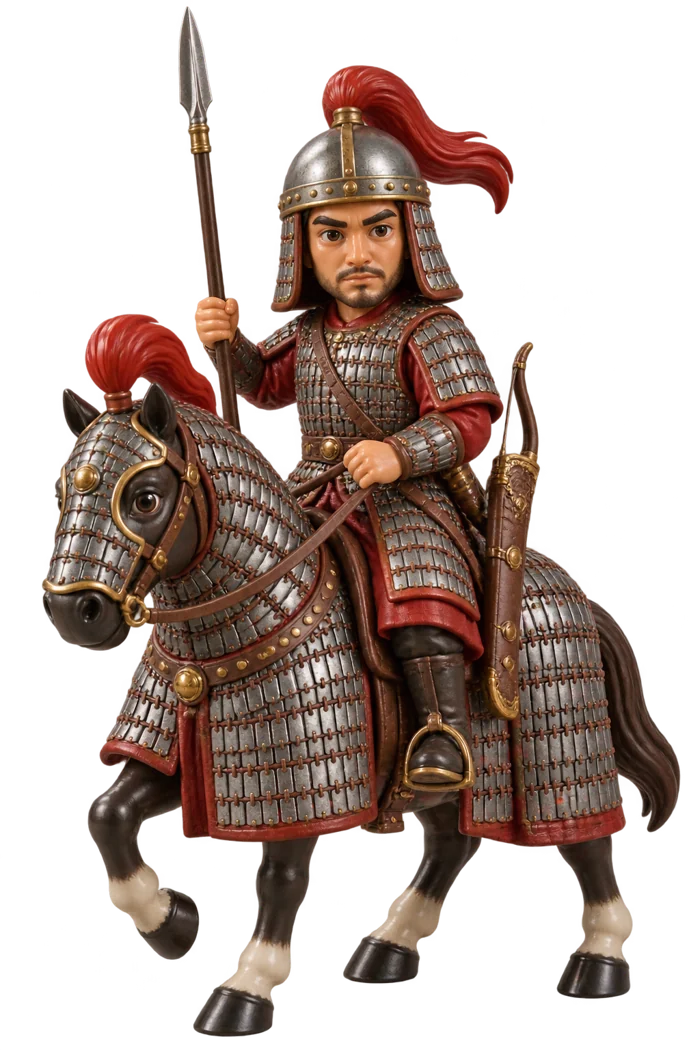
The Northern Wei was founded by the Tuoba clan of the Xianbei, steppe horsemen from the north. In 386 Tuoba Gui revived his family's old principality of Dai, renamed it Wei, and resettled hundreds of thousands of deported people around his capital at Pingcheng, today's Datong. Emperor Taiwu conquered the rival states one after another, and in 439 the fall of the Northern Liang united northern China and ended the chaotic Sixteen Kingdoms period. Southern writers mocked the Wei as plaited barbarians.
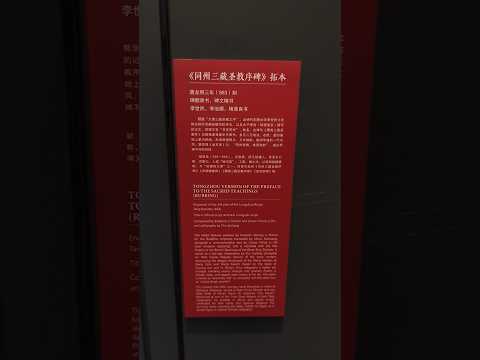
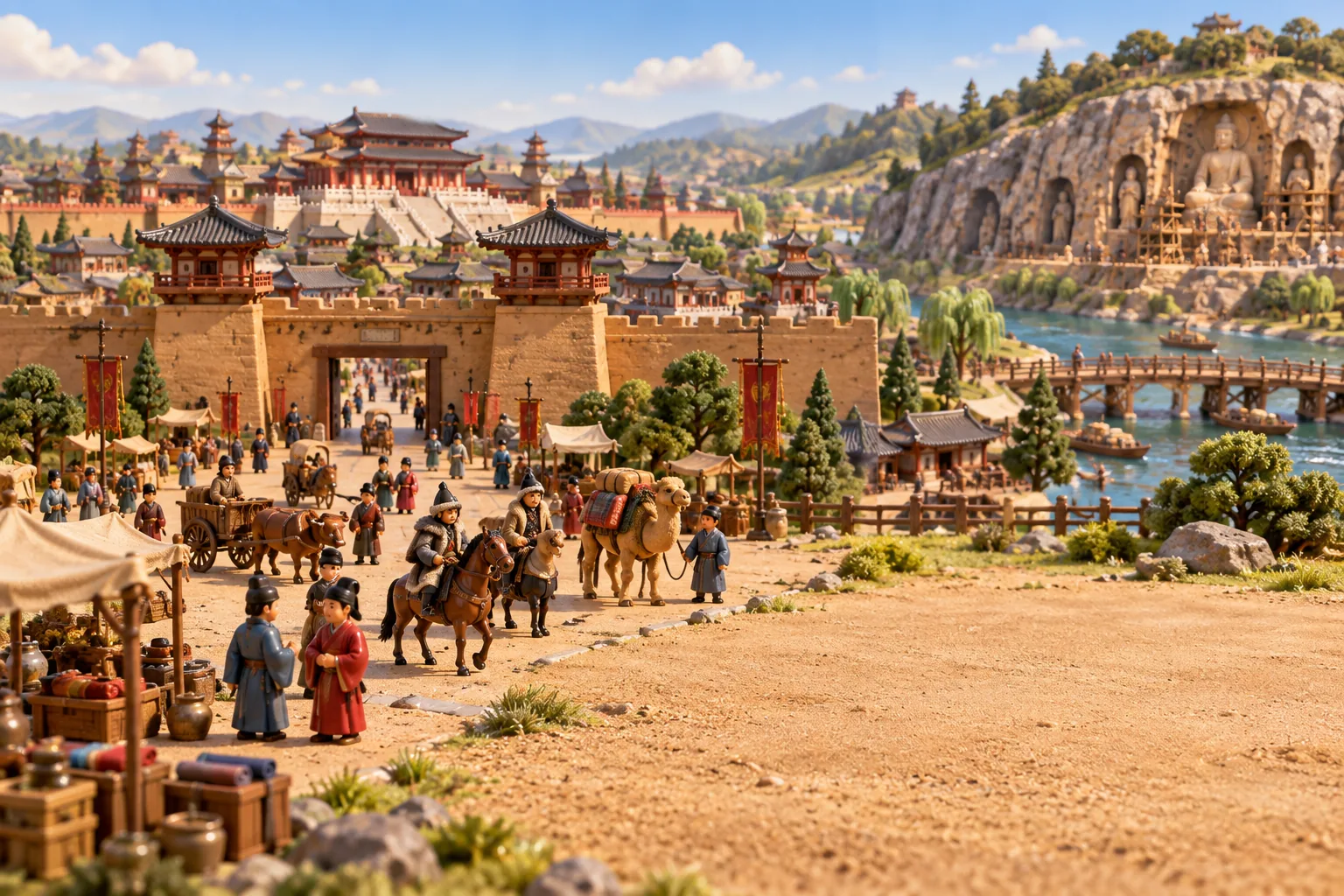
Buddhism took firm root. Near Datong, in the mid-to-late 5th century, giant images were carved into the cliffs of the Yungang Grottoes. In 485 the regent Empress Dowager Feng brought in the equal-field system, under which the state handed out land to farming households, and her grandson Emperor Xiaowen moved the capital to Luoyang in 494. In 495 he banned Xianbei clothing and language at court, and the imperial clan took the Chinese surname Yuan. At Longmen, outside Luoyang, the dynasty left more than 30,000 Buddhist images.
The frontier garrisons felt abandoned. In 523 the Six Garrisons rebelled, warlords such as Erzhu Rong seized power, and in 534–535 the empire split into the Eastern Wei and the Western Wei.
Read more on Wikipedia
Sources: en.wikipedia.org/wiki/Northern Wei, en.wikipedia.org/wiki/Emperor Xiaowen of Northern Wei