
Ancient world · state
Kingdom of Kush
Kings from Nubia conquered Egypt and ruled it as its 25th Dynasty, then carried on for a thousand years at Meroë, a city of iron and pyramids.
Nubia, on the Nile south of Egypt, was earlier home to Kerma, the kingdom Egyptians first called Kush. After Egypt's New Kingdom fell apart around 1070 BC, Kush became independent again, with its centre at Napata in northern Sudan. The first king known by name, Alara, ruled sometime between 800 and 760 BC and may have centred the kingdom on the cult of Amun.
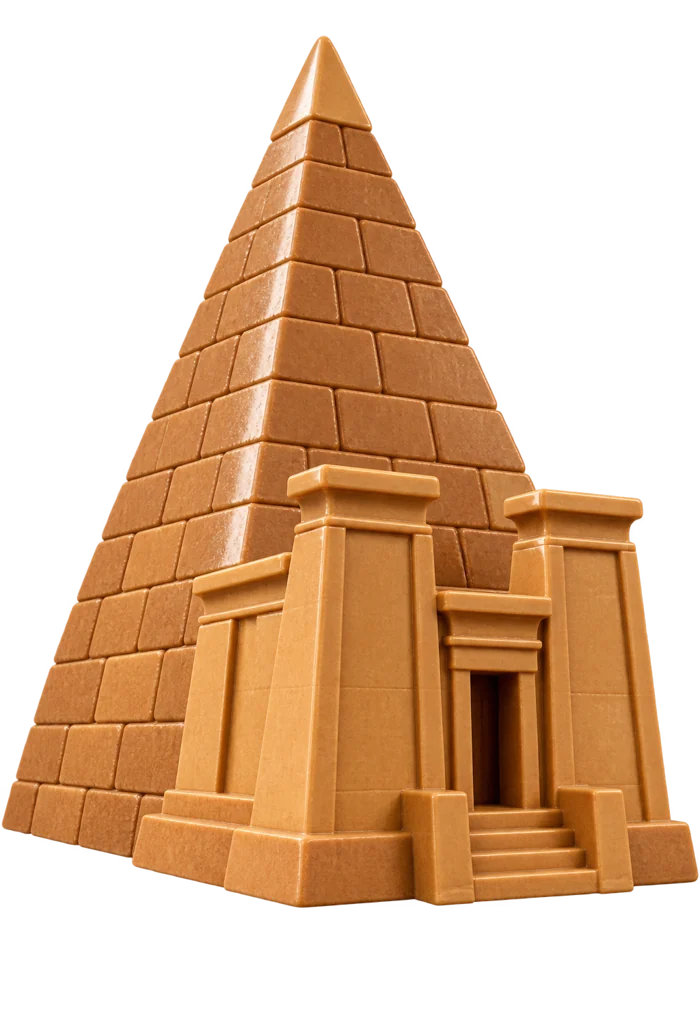
His successor Kashta took Thebes, and Piye seized Lower Egypt around 727 BC, founding the 25th Dynasty, recorded on his victory stela at Jebel Barkal. Under Taharqa the Nile valley empire was as large as at any time since the New Kingdom. Kushite pharaohs restored temples at Memphis and Karnak and built the valley's first widespread pyramids since the Middle Kingdom. But Assyria's Esarhaddon took Memphis in 671 BC, the Assyrians sacked Thebes in 663 BC, and by about 656 BC the Kushites had been pushed back to Nubia.
The capital moved south to Meroë, rich in iron ore and hardwood, and Kush traded iron, gold, ivory and slaves with the Romans. Queen Amanirenas fought Roman Egypt, and a peace with the prefect Gaius Petronius kept the border quiet for most of 300 years. In the 4th century AD the Noba pressed in from the west and the Aksumite king Ezana invaded; the last pyramids at Meroë date to the mid-4th century.
Read more on Wikipedia


