Middle Ages · state
Kingdom of Sicily
Descendants of Vikings made Sicily a kingdom, and their court in Palermo ran on Latin, Greek and Arabic at once.
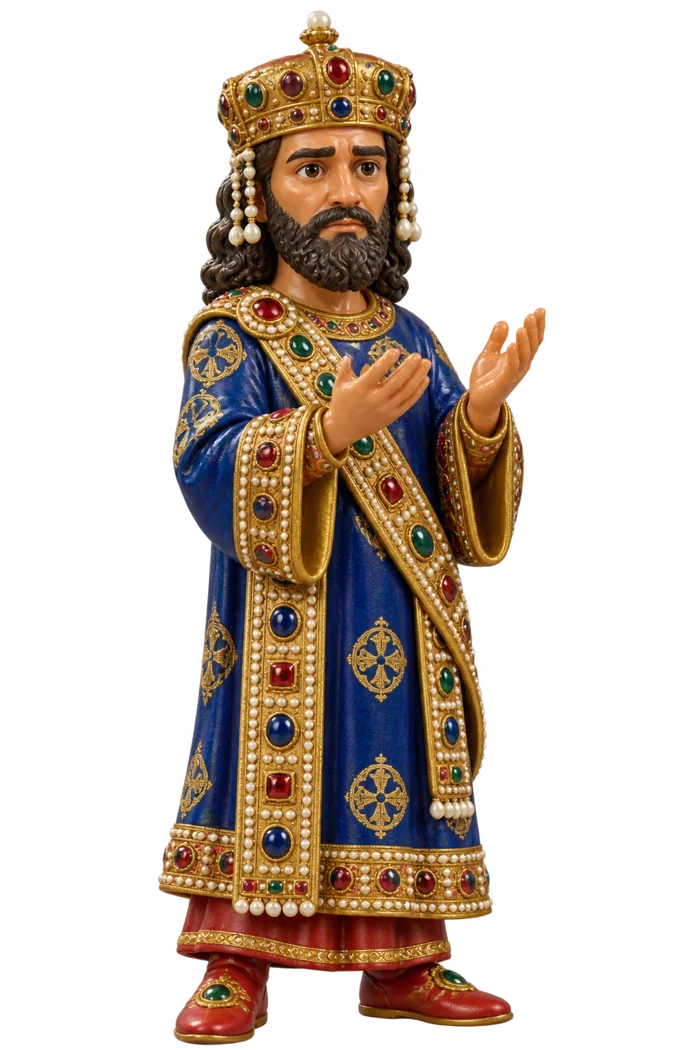
In the 11th century Norman mercenaries, descendants of Vikings settled in northern France, came south to fight for Lombard and Byzantine lords. Under Roger I they took Sicily from its Muslim emirs. His son Roger II united the island with the Duchy of Apulia and Malta, and on Christmas Day 1130 he was crowned king in Palermo with the backing of the antipope Anacletus II. Through his admiral George of Antioch he also seized the coast of Ifriqiya in North Africa.
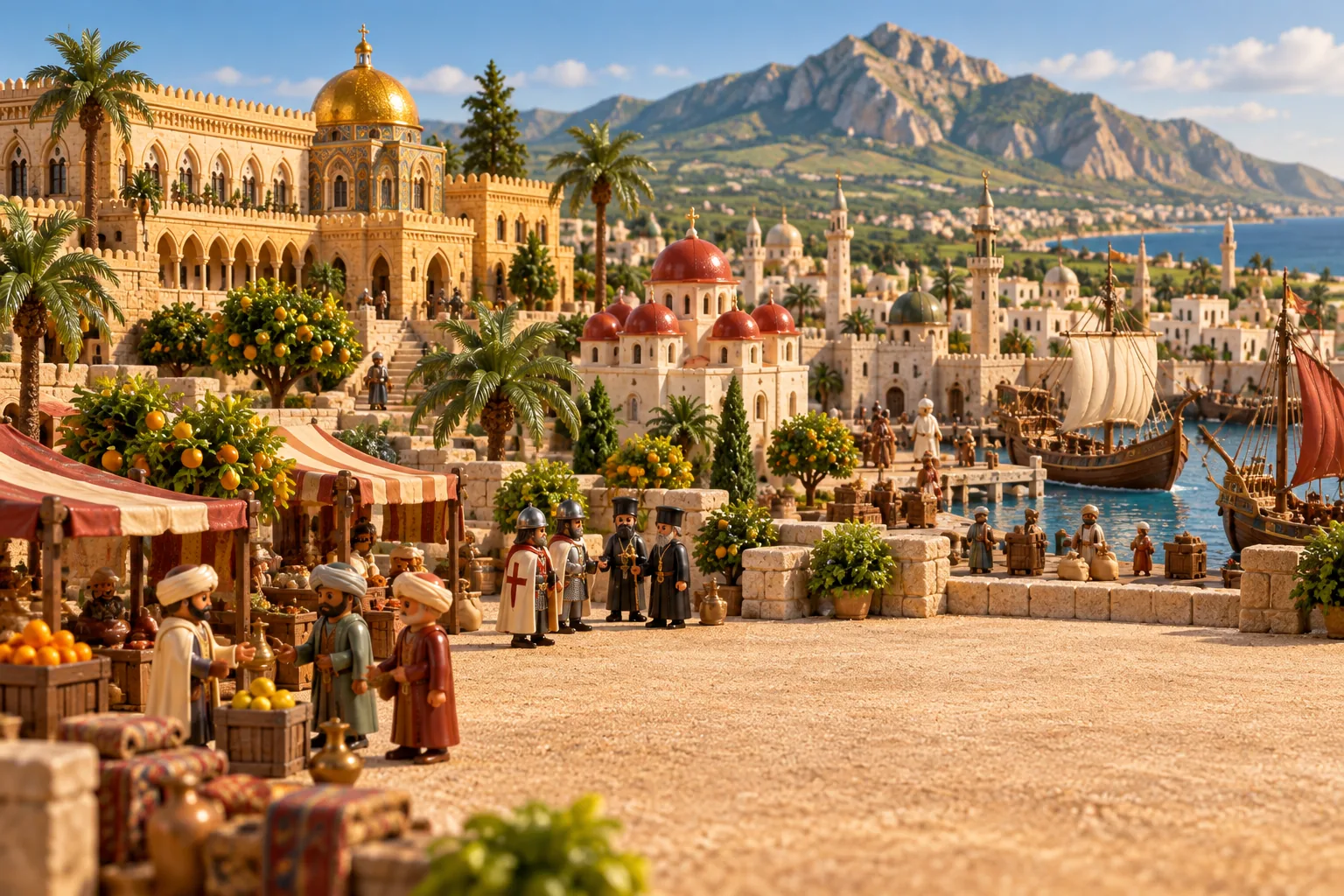
Norman Sicily was a land of several peoples. Latin and Greek Christians, Muslims and Jews lived side by side, traded and sometimes intermarried, and the kings kept the gold tari coin that had been struck on the island since 913. Roger issued his laws, the Assizes of Ariano, in 1140. William I, called 'the Bad' mainly by hostile chroniclers, lost the African towns, the last of them, Mahdia, falling to the Almohads in 1160.
In 1194 the crown passed to the German Hohenstaufen, and Frederick II gave the kingdom its Constitutions of Melfi in 1231. Charles of Anjou took it in 1266, but in 1282 the Sicilian Vespers drove the French from the island and the mainland went its own way as the Kingdom of Naples. The island joined the Crown of Aragon and later Spain. In 1816 Ferdinand merged both into the Kingdom of the Two Sicilies.
Read more on Wikipedia


