Early modern · state
New Netherland
Its capital, New Amsterdam, surrendered to English warships in 1664 without a fight and was renamed New York.
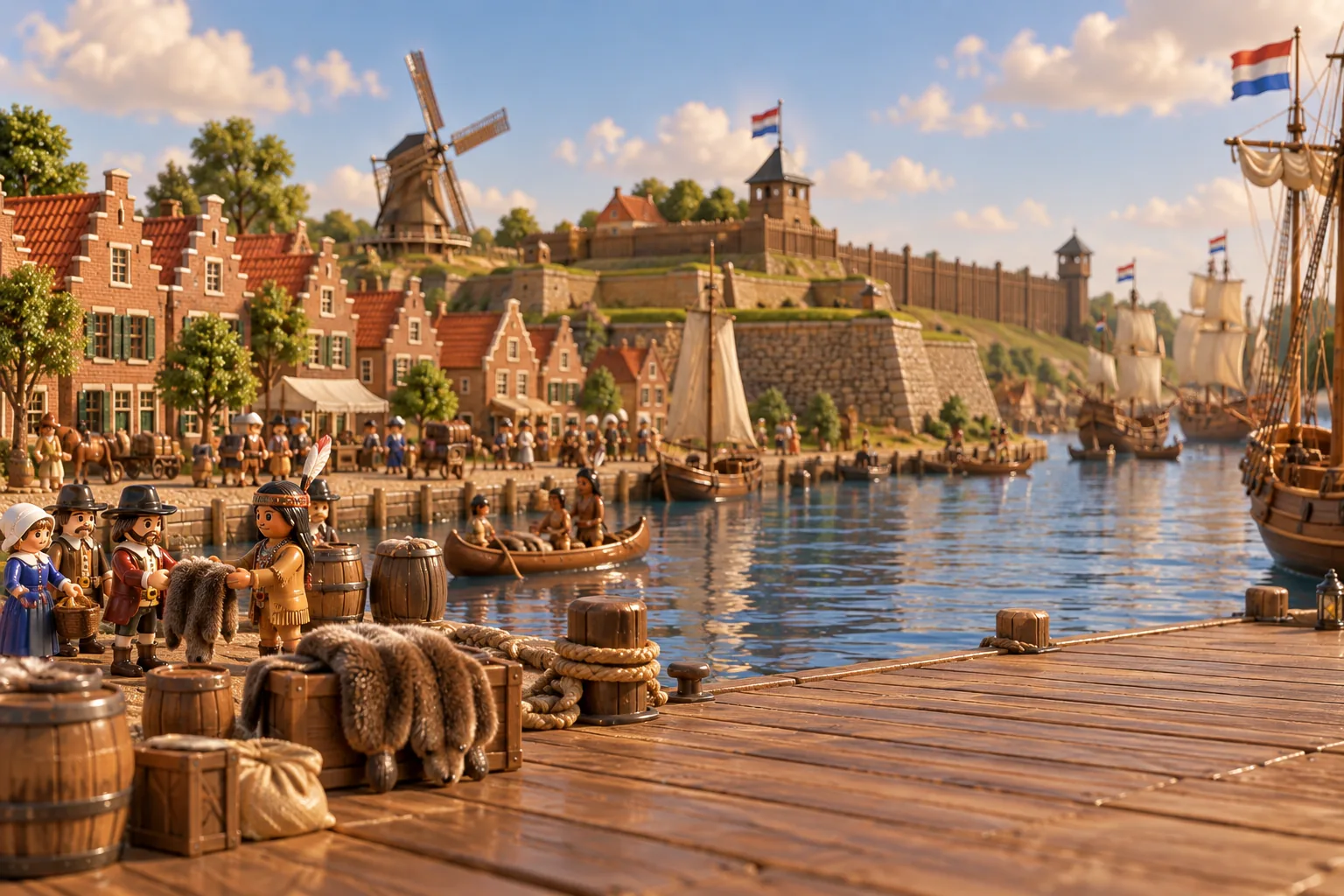
In 1609 Henry Hudson, an English captain hired by the Dutch East India Company, sailed up the river that now bears his name, looking for a passage to Asia. Dutch traders followed for beaver furs, and in 1614 the States General granted a trade patent for New Netherland. The Dutch West India Company planned a real colony in 1621, and in May 1624 it landed 30 families at Fort Orange, near today's Albany, and on Governors Island.
Peter Minuit became director in 1626, and a letter of that year says the settlers bought Manhattan from native people for goods worth 60 guilders. New Amsterdam grew at the tip of the island into a port trading pelts, lumber and tobacco with Europe and the Caribbean. Many of its people were not Dutch at all: Walloons, French Huguenots, Jews and enslaved Africans lived there beside the native Lenape. Peter Stuyvesant arrived in 1647 as director-general, and in 1655 the colony conquered New Sweden on the Delaware.
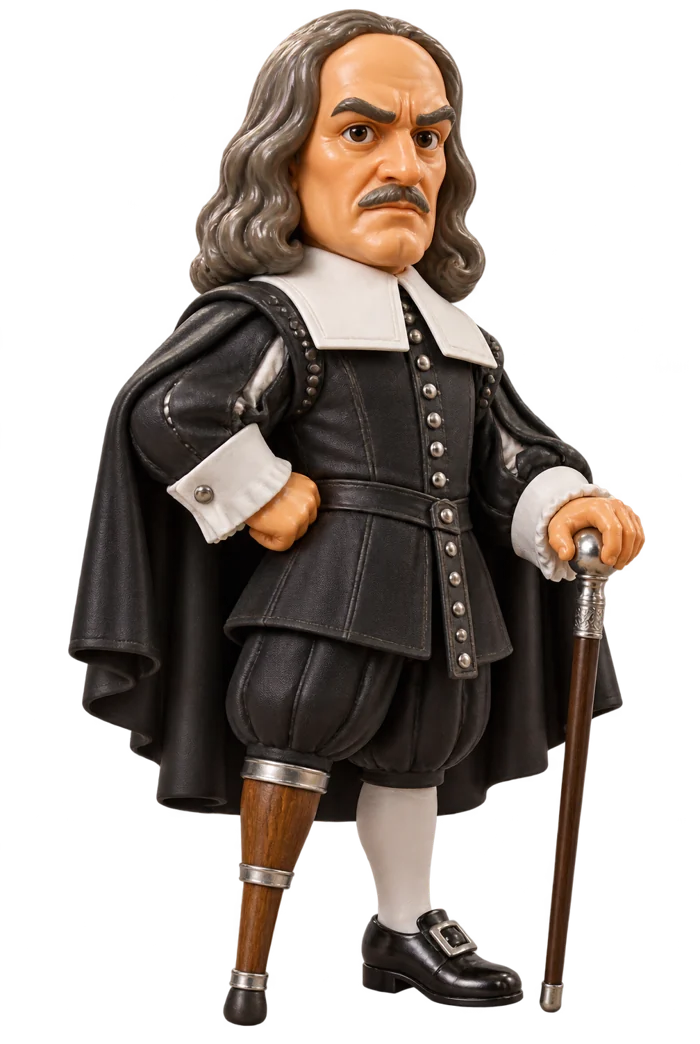
On 27 August 1664, during the Second Anglo-Dutch War, four English frigates under Richard Nicolls sailed into the harbour. New Amsterdam had no troops to resist, and Stuyvesant surrendered on good terms; the town became New York. The Dutch retook it in 1673, but the Treaty of Westminster gave it back to England in 1674.
Read more on Wikipedia
Sources: en.wikipedia.org/wiki/New Netherland, en.wikipedia.org/wiki/Flushing Remonstrance