Early modern · state
Siberian Khanate
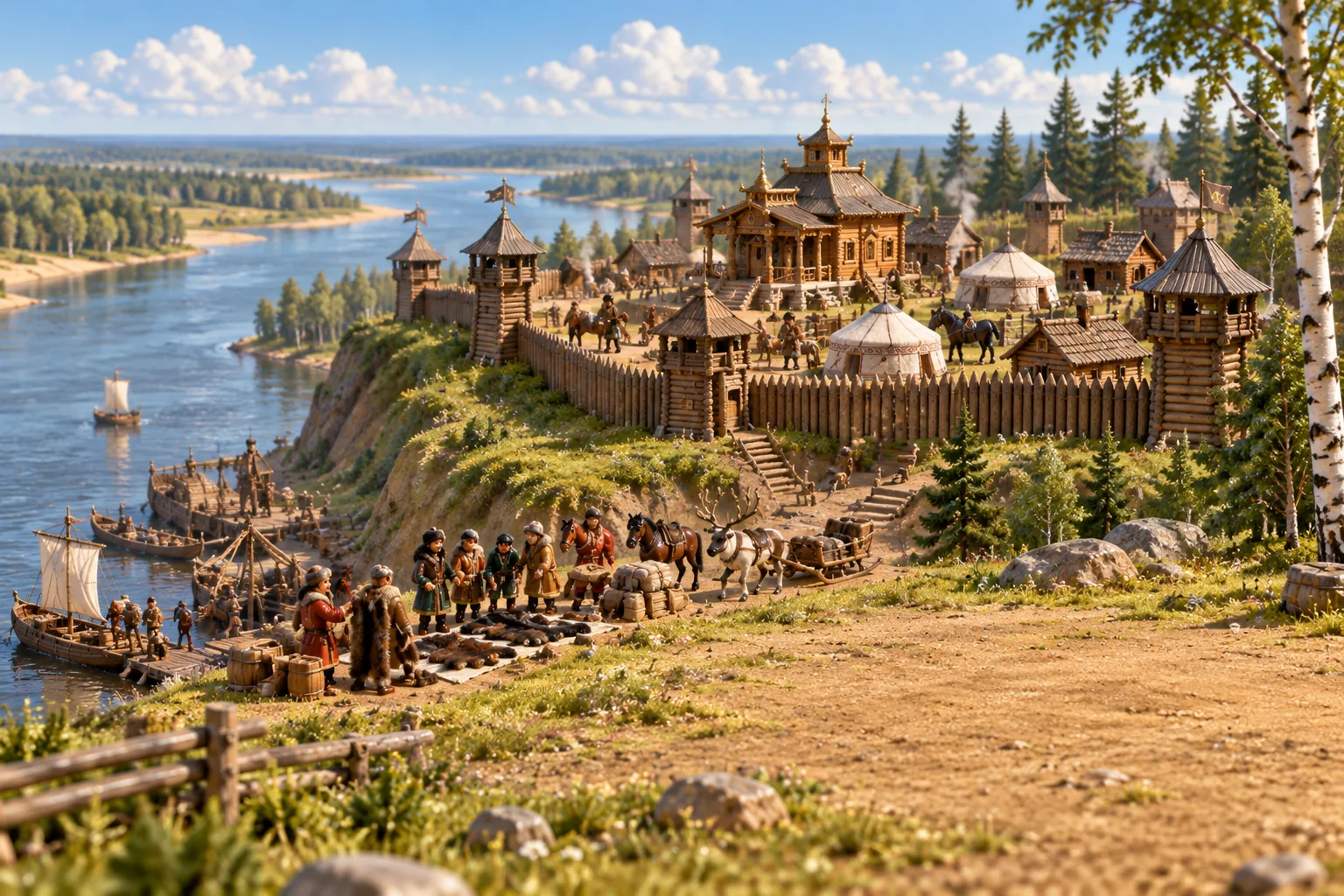
Its capital Isker fell in 1582 to 840 Cossacks under Yermak, opening all of Siberia to Russia.
In the 13th century the Mongols conquered the forests and steppes along the Tobol and Irtysh rivers, and the land belonged to the Golden Horde until 1468. As the Horde broke up, two rival houses, the Shaybanids and the Taibugids, fought over it. Around 1495 the Taibugid Muhammad decided not to stay at the old seat of Chimgi-Tura and chose a new capital, Isker, also called Sibir or Qashliq, on the Irtysh.
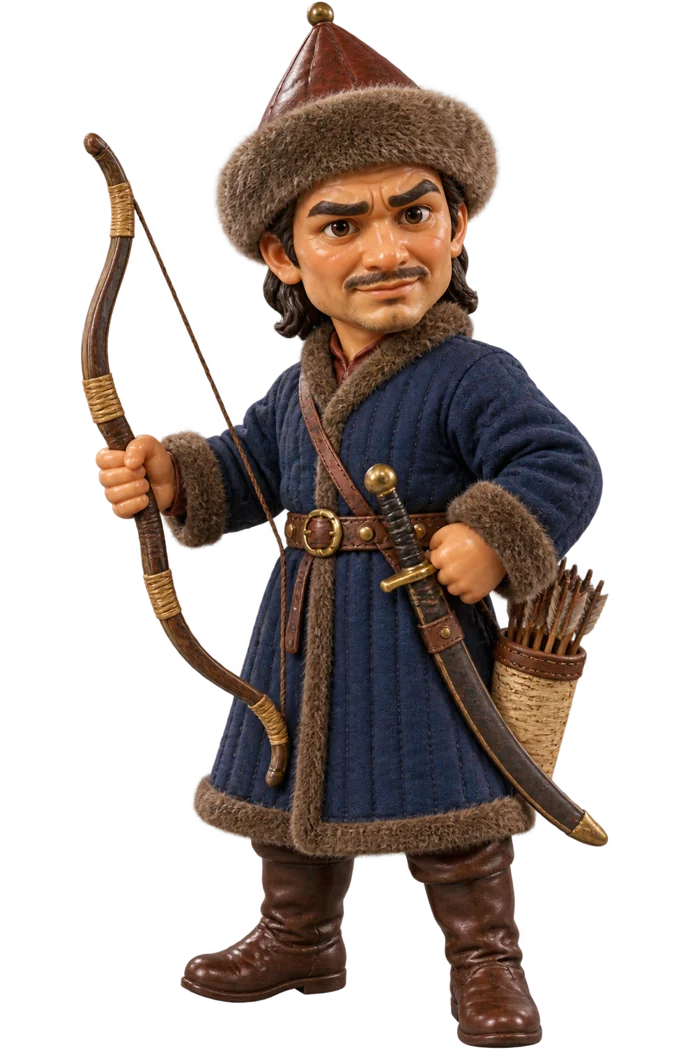
The khanate was a loose realm of mirzas, local lords who led its warriors and owed the khan nominal allegiance. The khans and mirzas were Muslims, often educated in Bukhara and Samarkand, while many Siberian Tatars were still shamanists. In 1552, after Ivan the Terrible took Kazan, the Taibugids Yediger and Bekbulat congratulated him and later paid Russia a limited tribute. In 1563 Kuchum, a Shaybanid grandson of Ibak Khan, seized the throne and tried to convert the Tatars to Islam.
Kuchum's raid on the trading posts of the Stroganov merchants brought an expedition against him. In 1582 the Cossack ataman Yermak set out with 840 men, beat Kuchum's forces at Chuvash Cape and entered Isker. Yermak drowned in 1585, it is said weighed down by armour the tsar had sent him. In 1598 Kuchum was defeated on the Ob and fled to the Nogais, and the khanate was gone.
Read more on Wikipedia
Sources: en.wikipedia.org/wiki/Khanate of Sibir, en.wikipedia.org/wiki/Yermak Timofeyevich, en.wikipedia.org/wiki/Kuchum