Antiquity · state
Gupta Empire
Under the Guptas an Indian astronomer measured the Earth, a playwright wrote Shakuntala and smiths forged an iron pillar that barely rusts.
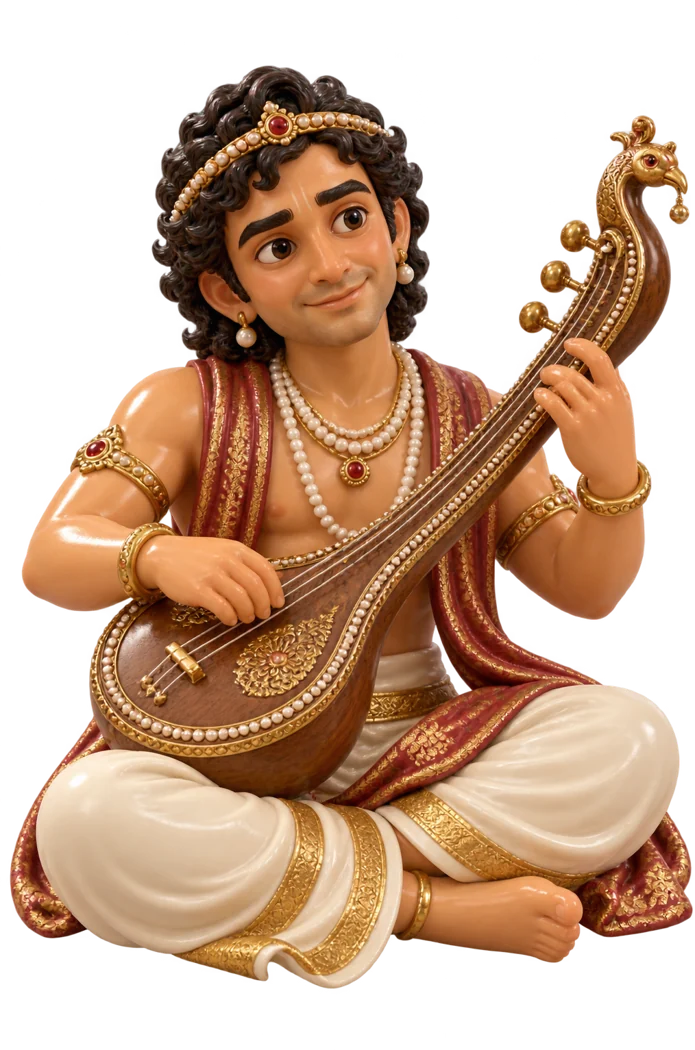
The dynasty was founded by a ruler called Gupta somewhere in the Ganges plain in the mid third century. Chandragupta I, who reigned from about 319 to 335, married the Licchavi princess Kumaradevi, which may have helped him take the title Maharajadhiraja, great king of kings. His son Samudragupta performed the Ashvamedha horse sacrifice to proclaim his imperial power and struck gold coins showing himself playing the veena.
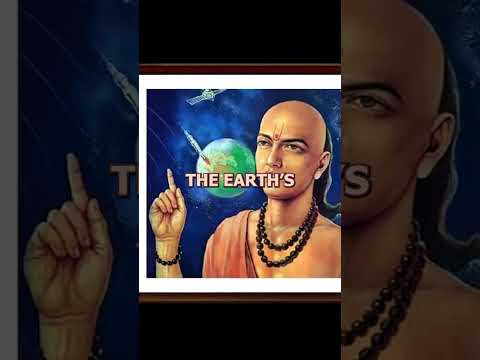
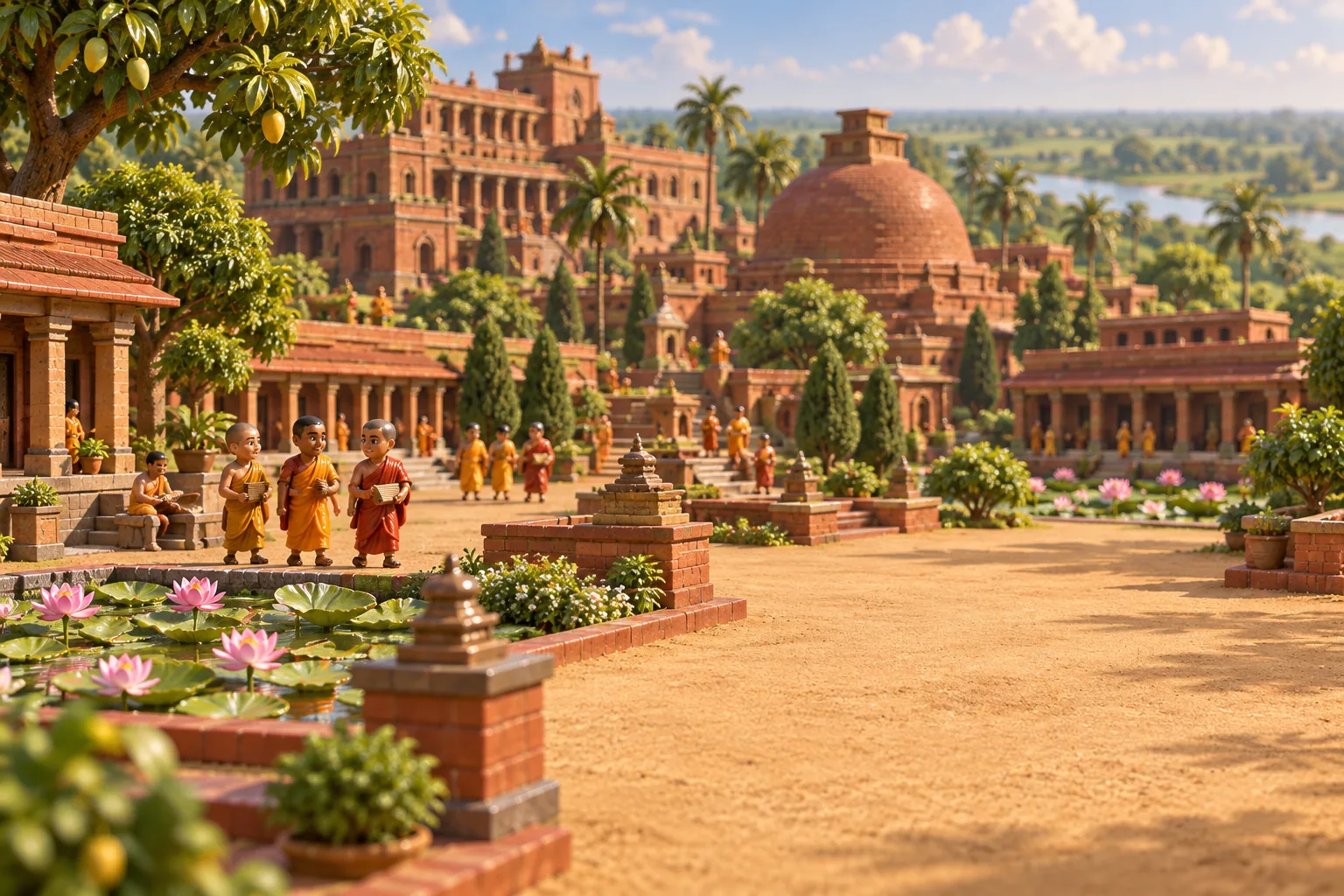
Chandragupta II, called Vikramaditya, ruled from 375 to 415, the high point of the empire across much of northern India. The Chinese monk Faxian visited in his reign and praised the mildness of its government. This era, sometimes called the Golden Age of India, produced the playwright Kalidasa, author of Shakuntala, the astronomer Aryabhata, who gave pi to four decimal places and described the Earth as a sphere, and Vatsyayana's Kama Sutra. Kumaragupta I is said to have founded Nalanda.
His son Skandagupta had to rebuild a country in disarray after attacks by the Kidarite Huns. In the late 490s the Alchon Huns under Toramana and Mihirakula broke through in the north-west. Vassals broke away, and by the middle of the sixth century the empire had dissolved into regional kingdoms.
Read more on Wikipedia
Sources: en.wikipedia.org/wiki/Gupta Empire