Antiquity · state
Maurya Empire
An emperor who conquered almost all of India was so shaken by the slaughter of one war that he turned to Buddhism and preached dharma on rocks and pillars.
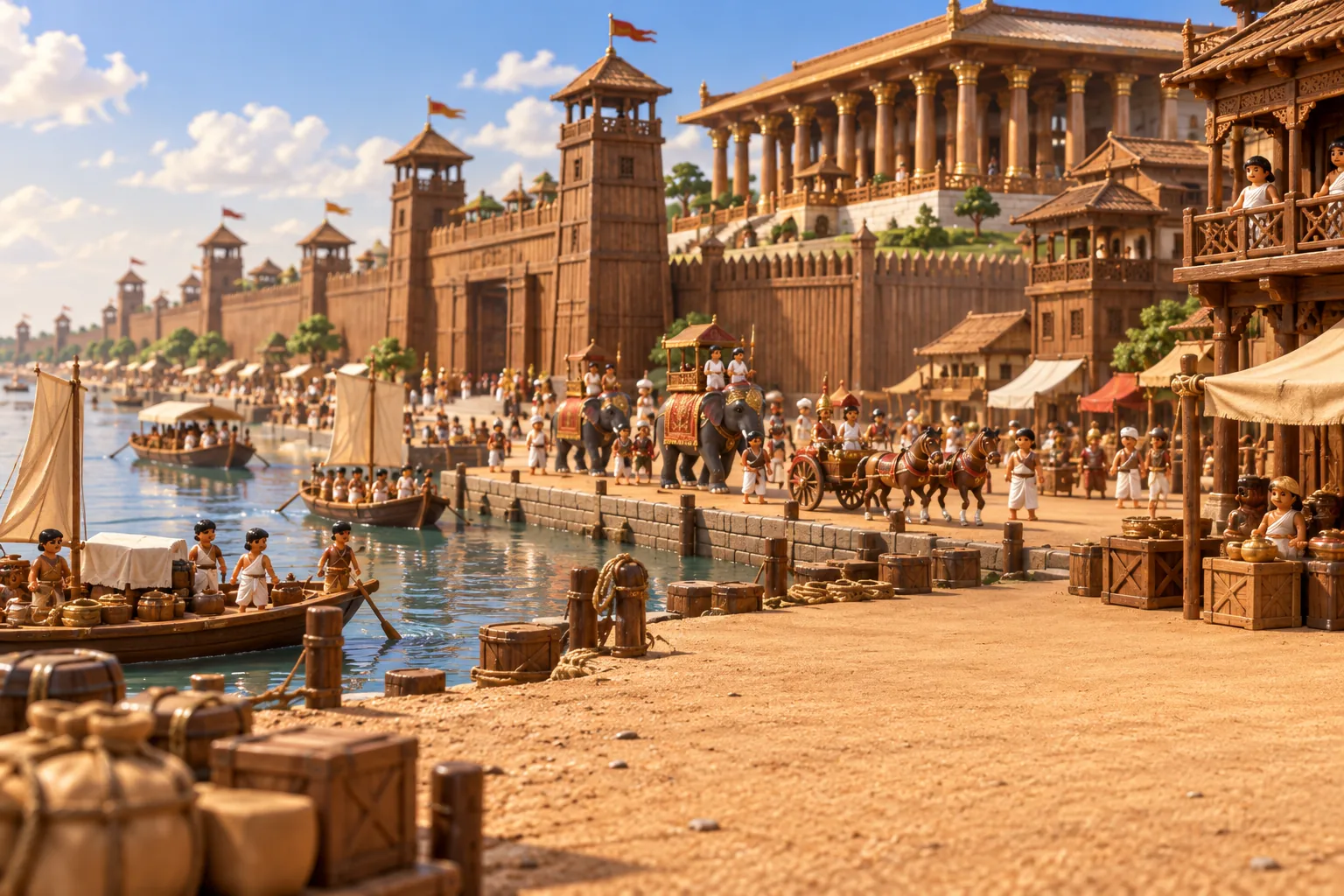
Around 320 BC Chandragupta Maurya overthrew the Nanda dynasty of Magadha, by legend with the counsel of Chanakya, and made Pataliputra, today's Patna, his capital. He pushed his rule west into Afghanistan below the Hindu Kush, and a treaty with Seleucus I gave him the easternmost Seleucid satrapies in return for 500 war elephants. Seleucus sent the ambassador Megasthenes to his court, and his account of Pataliputra describes its city government.
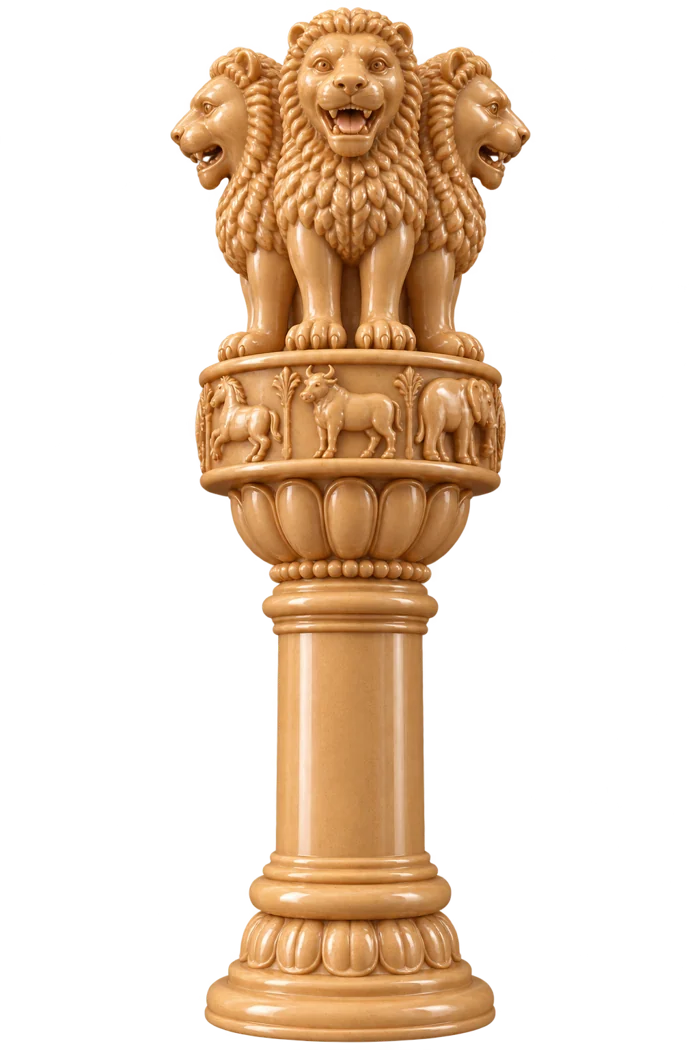
Chandragupta's son Bindusara took the throne around 297 BC, and his grandson Ashoka, who reigned from about 268 to 232 BC, briefly ruled every major city of the subcontinent except the deep south. Ashoka's conquest of Kalinga on the Bay of Bengal cost an estimated 100,000 lives. Afterwards he preached dharma in edicts carved on rocks and pillars, some of them in Greek, and sent Buddhist missions to Sri Lanka, north-west India and Central Asia, helping Buddhism become a world religion. Roads such as the Uttarapath linked Pataliputra with Afghanistan.
After Ashoka the empire held together loosely. Around 185 BC the last emperor, Brihadratha, was killed by his general Pushyamitra Shunga at a military parade, and the Shunga dynasty took over.
Read more on Wikipedia
Sources: en.wikipedia.org/wiki/Maurya Empire


