Middle Ages · state
Wallachia
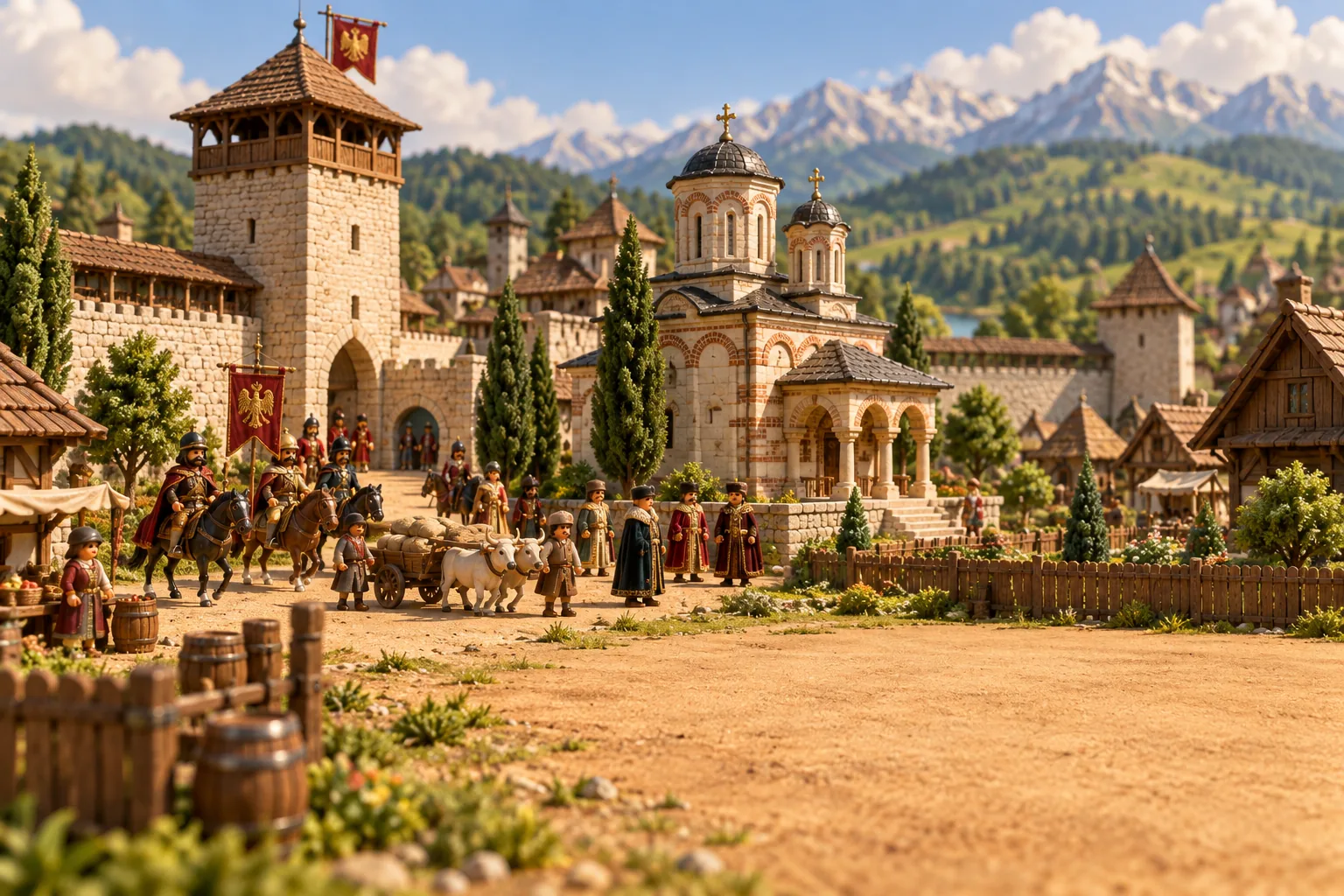
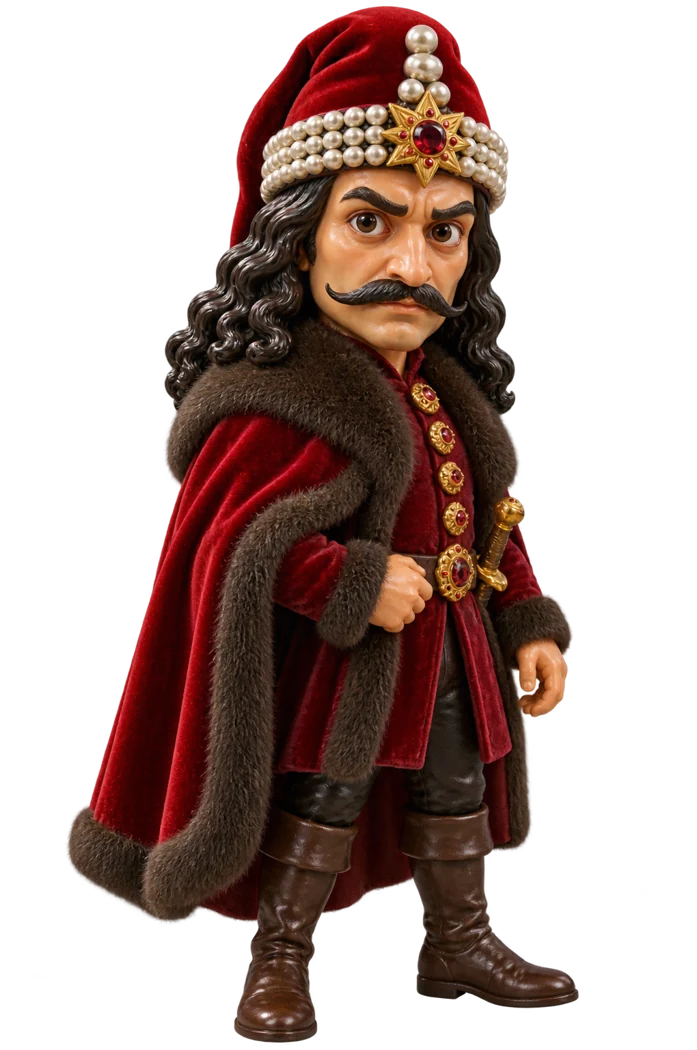
The land once ruled by Vlad the Impaler, the prince behind the legend of Dracula, joined Moldavia in 1859 to form the core of modern Romania.
Small Vlach states north of the Lower Danube grew stronger in the 13th century as Mongol invasions weakened Hungary. Basarab I, first named in a Hungarian charter of 1324, ruled from Câmpulung and spread his power across the river Olt. When Charles I of Hungary invaded, Basarab crushed his army at the Battle of Posada in 1330, and the principality won a long stretch of independence.
Mircea the Elder, who reigned from 1386 to 1418, beat the Ottomans at Rovine in 1394 but made peace with them in 1417, the start of Ottoman suzerainty. Vlad III, known as Dracula or the Impaler, took the throne in 1448, executed the boyars who had plotted against his father and impaled criminals and enemies. In 1462 Mehmed the Conqueror invaded, and Vlad struck back in the Night Attack at Târgoviște but was defeated. Neagoe Basarab, who ruled from 1512 to 1521, built the Curtea de Argeș Cathedral, and in 1600 Michael the Brave briefly ruled Wallachia, Transylvania and Moldavia together.
The capital later moved from Târgoviște to Bucharest, and from 1715 the sultans appointed Greek Phanariote princes from Constantinople. After the Treaty of Adrianople in 1829 Russia oversaw the country under its first constitution, the Regulamentul Organic. In 1859 both Moldavia and Wallachia elected Alexander John Cuza as prince, uniting them in the state soon called Romania.
Read more on Wikipedia
Sources: en.wikipedia.org/wiki/Wallachia