Industrial age · state
Sokoto Caliphate
A preacher-scholar's revolt joined more than 30 emirates into the most populous state in West Africa, run by rulers who wrote hundreds of books.
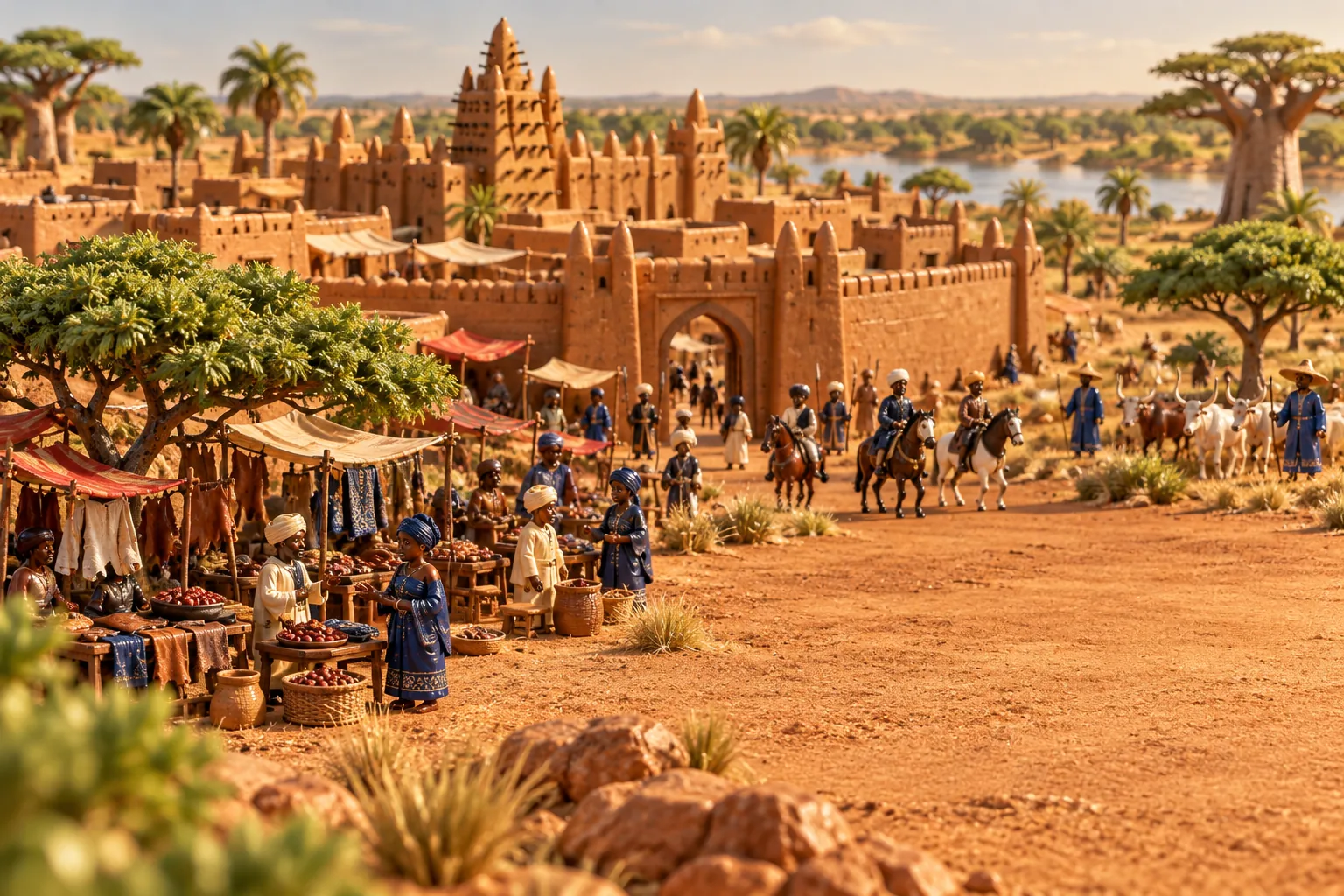
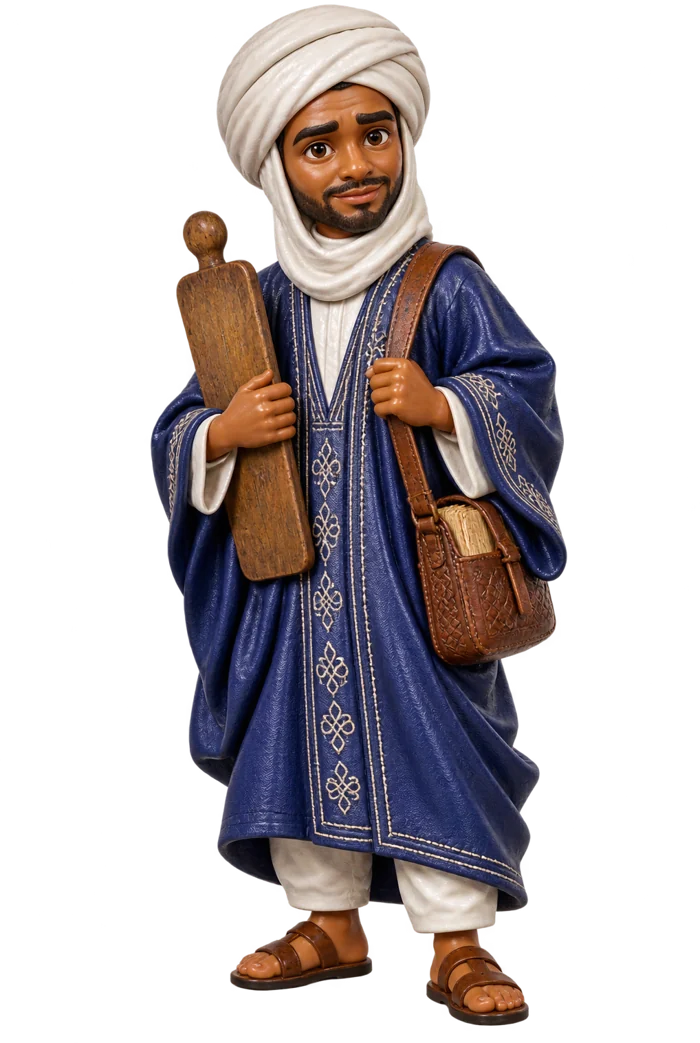
Usman dan Fodio, a Fulani scholar born in Gobir in 1754, preached for years across the Hausa kingdoms against their heavy taxes and lax rulers. When his former student Yunfa, now sultan of Gobir, turned on him, Usman withdrew to Gudu in February 1804, his followers chose him as Commander of the Faithful, and Yunfa declared war on 21 February. In the Fulani War of 1804 to 1808 his warrior-scholars took Katsina, Daura and Kano, and in 1809 they conquered Gobir.
That year Usman's son Muhammad Bello founded the city of Sokoto, which became the capital. Bello ruled as caliph from 1817 to 1837 and built walled ribats that grew into new towns. The caliphate became a loose union of more than 30 emirates, each ruled by an emir who held a flag from the caliph, stretching from today's Burkina Faso to Cameroon. By 1837 it had 10 to 20 million people, and its economy rested on plantations worked by a huge number of enslaved people.
From 1901 British forces under Frederick Lugard moved north. On 13 March 1903 the last vizier accepted British rule in the market square of Sokoto, and Caliph Attahiru I was killed in battle that June. The British kept the title of sultan, which remains an important religious office.
Read more on Wikipedia
Sources: en.wikipedia.org/wiki/Sokoto Caliphate, en.wikipedia.org/wiki/Usman dan Fodio, en.wikipedia.org/wiki/Muhammad Bello