Early modern · state
Safavid Iran
A Sufi leader no older than fourteen was crowned shah in 1501 and made Shia Islam the official faith of Iran, a choice that still shapes the country today.
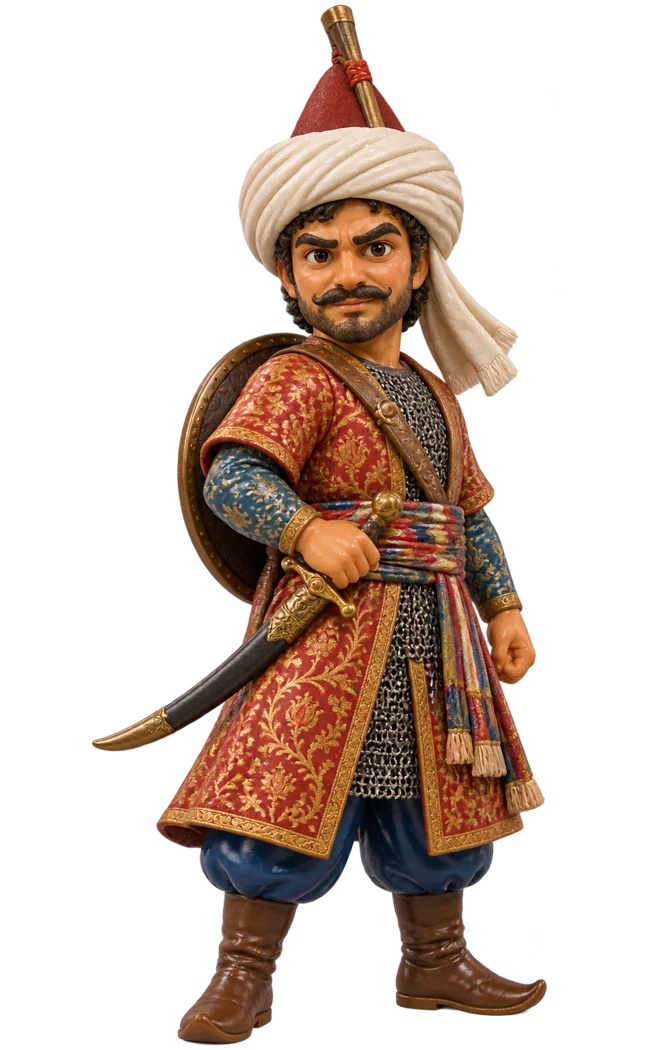
The Safavids began as a Sufi order in Ardabil, led from 1301 by Safi al-Din. Their warriors, Turkoman tribesmen, were called Qizilbash, red-heads, after their red headgear. In 1501 the young Ismail took Tabriz, made it his capital, took the title King of Iran and established Twelver Shi'ism as the official religion. He crushed the Uzbeks at Merv in 1510, but in 1514 the Ottoman sultan Selim I defeated him at Chaldiran and briefly entered Tabriz.
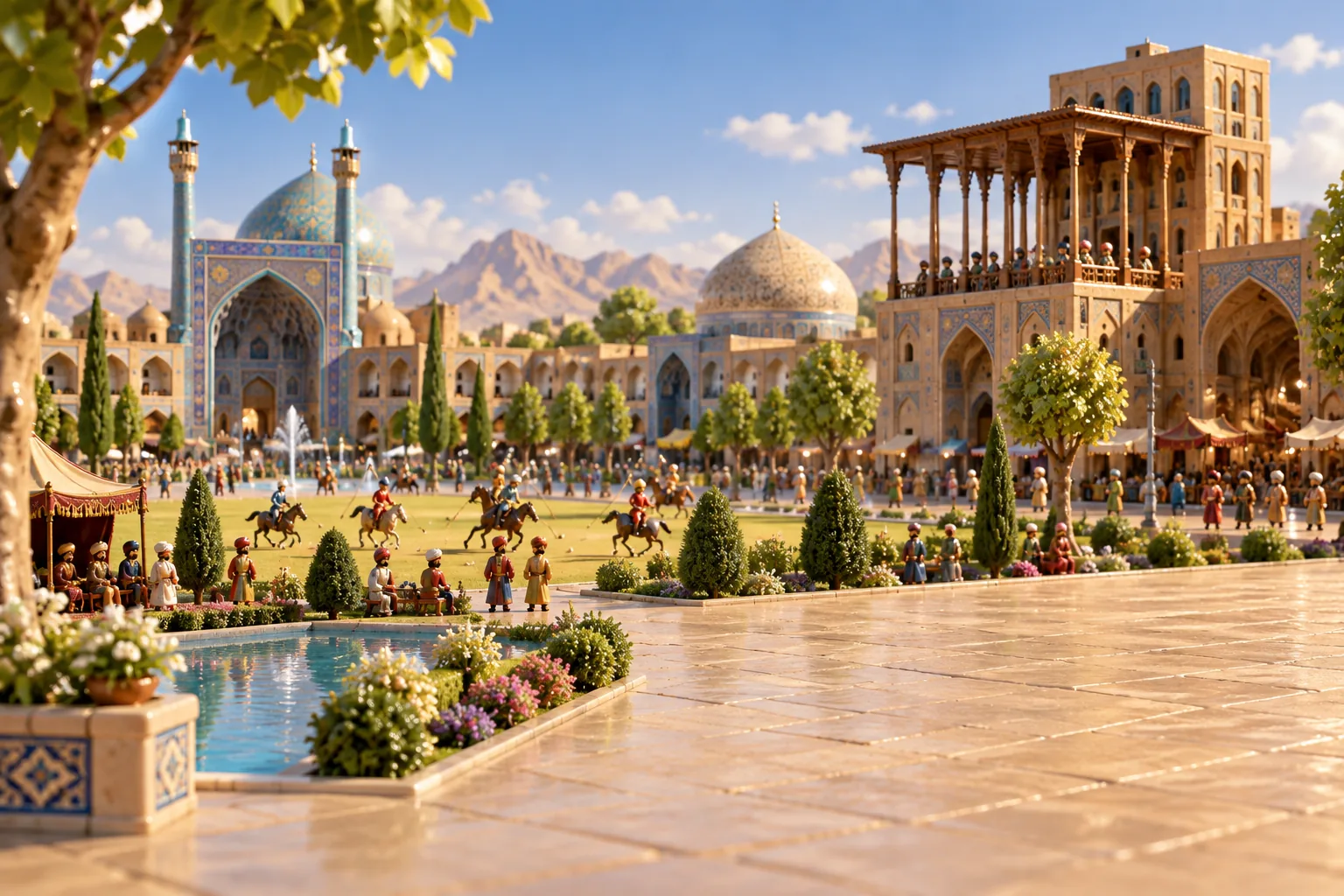
Abbas I came to the throne at sixteen in 1588 and ruled until 1629, the height of the empire. He built up corps of Georgian, Circassian and Armenian slave-soldiers to break the power of the Qizilbash. In 1598 he moved the capital from Qazvin to Isfahan and remade the city around Naqsh-e Jahan Square, where the Shah Mosque was completed in 1630. In 1622, with the help of four English ships, he took Hormuz from the Portuguese. Silk, carpets and textiles went to England and the Netherlands.
The empire declined in the late 17th century. On 8 March 1722 an Afghan army under Mahmud Hotak won at Gulnabad and besieged Isfahan, and after months of famine Shah Sultan Husayn abdicated on 23 October. His son Tahmasp II and the general Nader drove the Afghans out by 1730, but Nader deposed the child Abbas III and was crowned shah on 8 March 1736.
Read more on Wikipedia
Sources: en.wikipedia.org/wiki/Safavid dynasty, en.wikipedia.org/wiki/Safavid Iran, en.wikipedia.org/wiki/Ismail I, en.wikipedia.org/wiki/Abbas the Great, en.wikipedia.org/wiki/Siege of Isfahan, en.wikipedia.org/wiki/Nader Shah


