
Ancient world · state
Elam
Elam's kings raided Babylonia and carried off Hammurabi's law code, which French archaeologists dug up at Susa in 1901.
Susa, in the lowlands of today's Khuzestan in Iran, was founded around 4000 BC. From about 3200 BC its scribes used a Proto-Elamite script that is still undeciphered. At least three states, Anshan, Awan and Shimashki, merged to form Elam. Around 2220 BC the Awan king Puzur-Inshushinak, also called Kutik-Inshushinak, threw off the rule of Akkad, and in 2004 BC the Elamites under Kindattu sacked Ur and led its king Ibbi-Sin into captivity.
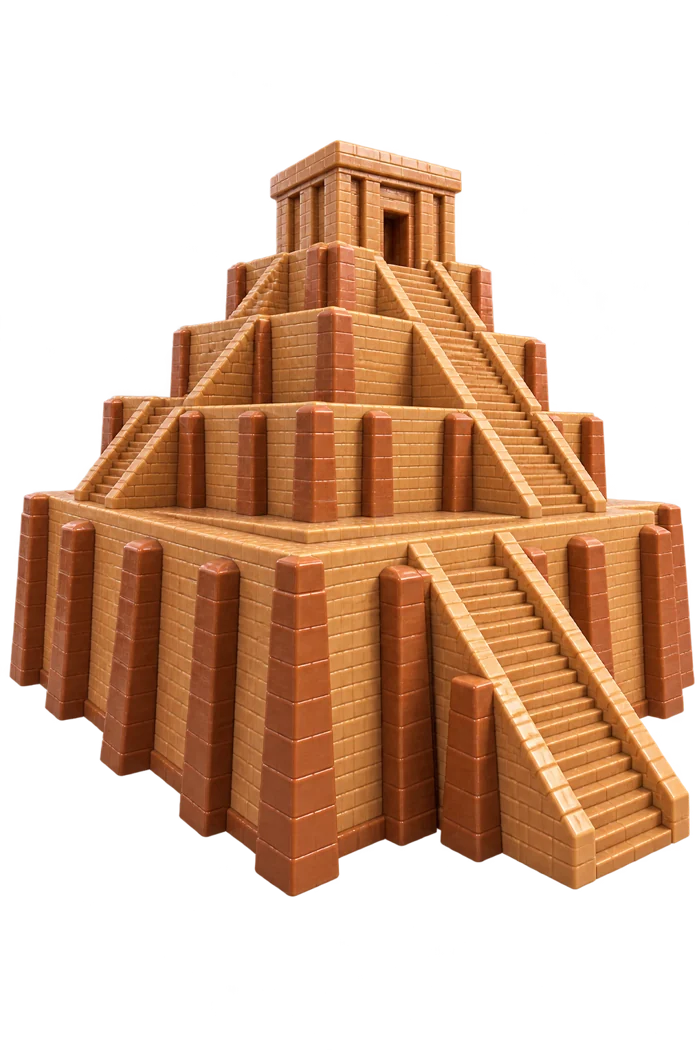
From about 1500 BC the kings called themselves king of Anshan and Susa and wrote more and more in Elamite. Untash-Napirisha built a religious capital at Chogha Zanbil. Elam reached its height under the Shutrukid dynasty, from about 1210 to 1100 BC. Shutruk-Nakhunte raided Babylonia and brought home to Susa the stele of Hammurabi, the stele of Naram-Sin and the statue of Marduk, and in 1158 BC the Elamites killed the Kassite king of Babylon. Then Nebuchadnezzar I of Babylon sacked Susa and took Marduk back.
In the 7th century BC Elam fought Assyria again and again. King Tepti-Humban-Inshushinak was killed after the battle of the Ulai in 653 BC. In 646 BC Ashurbanipal sacked Susa, and in 640 BC he captured the last king of a united Elam, Humban-Haltash III. Small Elamite kingdoms lingered under Median control until Achaemenid Persian rule began in Susa around 540 BC.
Read more on Wikipedia
Sources: en.wikipedia.org/wiki/Elam, en.wikipedia.org/wiki/Code of Hammurabi
