Middle Ages · state
Armenian Kingdom of Cilicia
Far from historic Armenia, Armenian princes built a Christian kingdom on the Mediterranean, and Marco Polo set out for China from its port.
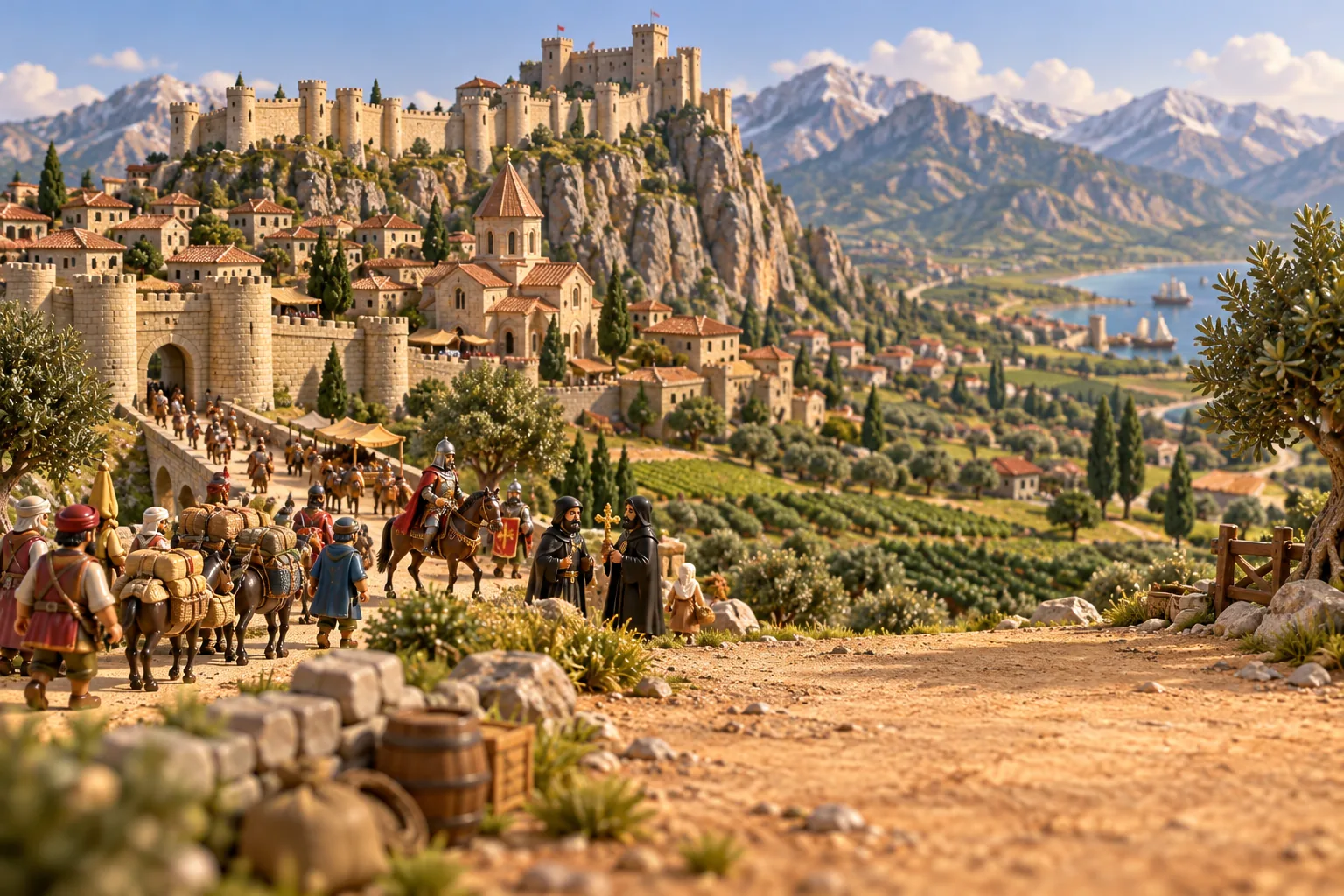
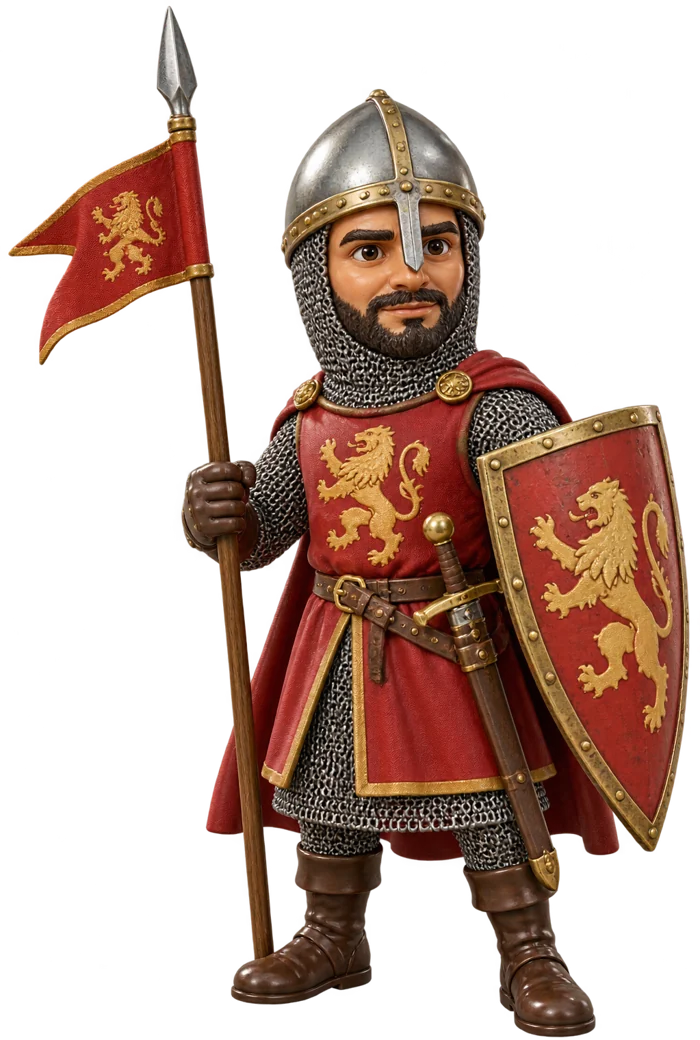
Around 1080 the Armenian prince Ruben, close to the last Bagratid king Gagik II, revolted against the Byzantines in the Taurus Mountains of Cilicia. His heirs, the Rubenids, held the mountain passes with castles and moved their capital from Tarsus to Sis. Prince Levon II sought friends in the West, and with the backing of Emperors Frederick Barbarossa and Henry VI he was crowned in the cathedral of Tarsus on 6 January 1198, the day Armenians celebrate Christmas. As King Levon I, the Magnificent, he received a banner with a lion from the Archbishop of Mainz.
In 1226 the crown passed to the rival Hethumid family through Levon's daughter Zabel and her husband Hethum I. Hethum sent his brother Smbat to the Mongol court at Karakorum in 1247 and in 1253 went there himself to meet Möngke Khan, building an alliance against the Mamluks. The port of Ayas was a centre of trade between East and West, with privileges for Venice, Genoa and Pisa, and the painter Toros Roslin made illuminated gospels at Hromkla.
In 1266 the Mamluks routed the Armenians at Mari and burned Sis, and raids and heavy tributes followed for a century. In the 14th century the throne passed to the Lusignans of Cyprus, whose Latin ways divided the Armenians. In 1375 the Mamluks took Sis and then Gaban, the last fortress, where King Levon V surrendered.
Read more on Wikipedia
Sources: en.wikipedia.org/wiki/Armenian Kingdom of Cilicia, en.wikipedia.org/wiki/Leo I, King of Armenia