Ancient world · state
Akkadian Empire
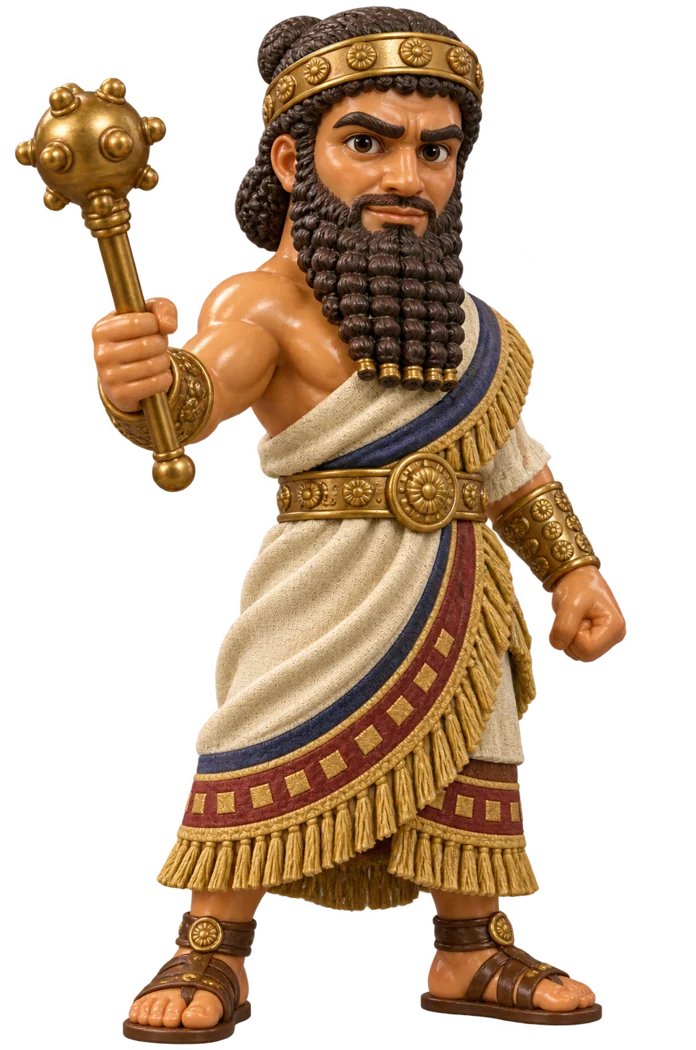
Sargon of Akkad built what is often called the first empire in history, and the city he ruled it from has still not been found.
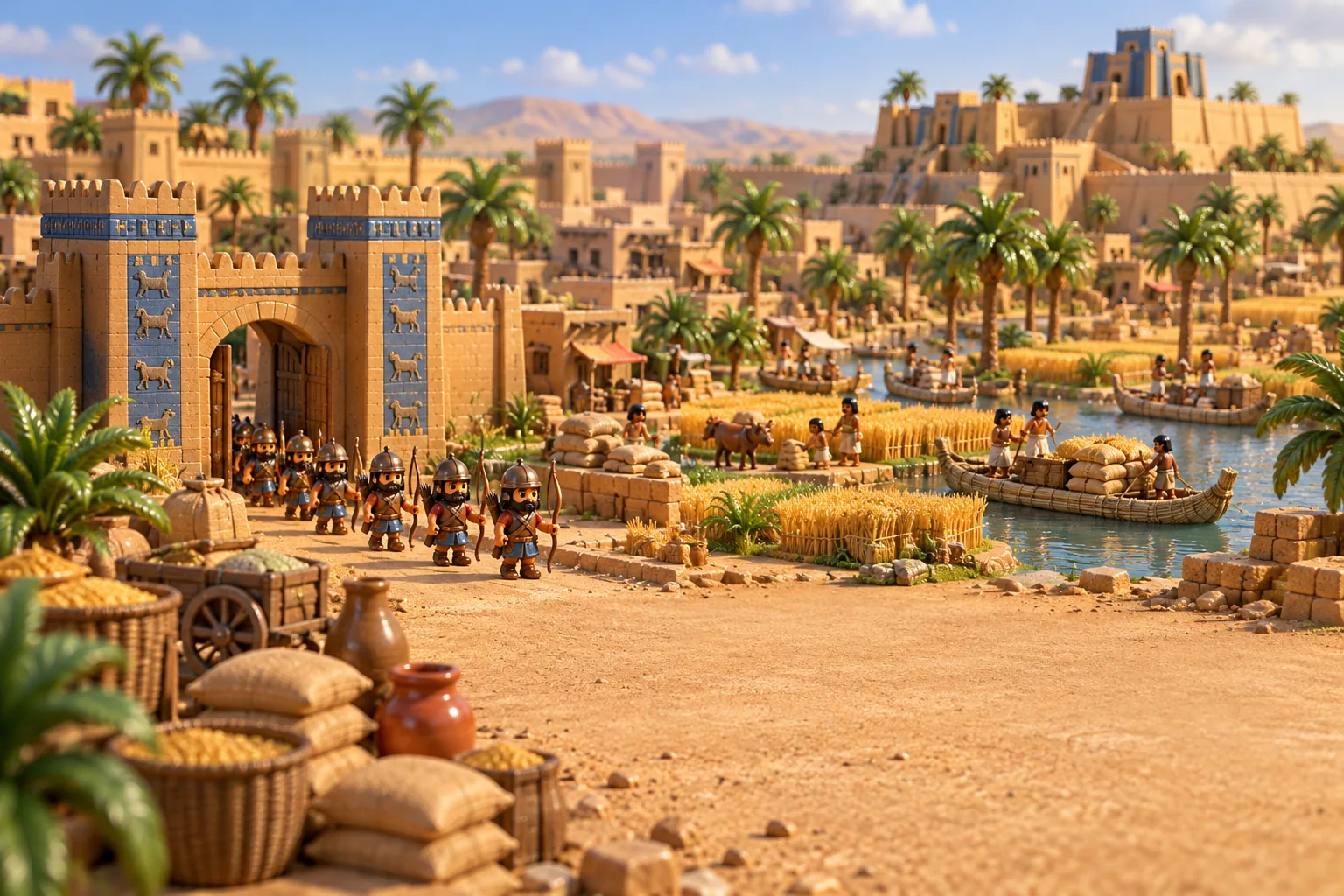
Akkad was a minor city somewhere near the meeting of the Tigris and Euphrates; its ruins have never been located. Sargon, a usurper with no known royal father, took its throne around 2334 BC. Around 2300 BC he defeated Lugal-zage-si of Uruk, the strongest king of the south, paraded him in a yoke at Nippur and ruled all of Lower Mesopotamia to the Persian Gulf through loyal governors.
Sargon campaigned against Mari and Elam and boasted that ships from Meluhha, Magan and Dilmun tied up at the quay of Akkad. His sons Rimush and Manishtushu kept his conquests, though both may have been murdered. His grandson Naram-Sin, king from about 2254 BC, crushed a great revolt of the southern cities, declared himself a living god and took the title King of the Four Quarters. He placed garrisons at Susa, Tell Brak and Gasur and set a standard grain measure, the gur of Akkad of about 300 litres. Akkadian became the language of government.
Under Naram-Sin's son Shar-Kali-Sharri the empire weakened. Gutians raided from the Zagros mountains, Elamites pressed from the east and Amorites from the west, and cities broke away. After his death around 2193 BC only a small kingdom around Akkad and Kish survived. Historians still debate the causes, including a great drought known as the 4.2-kiloyear event. The Third Dynasty of Ur rose in its place.
Read more on Wikipedia


