Antiquity · state
Kushan Empire
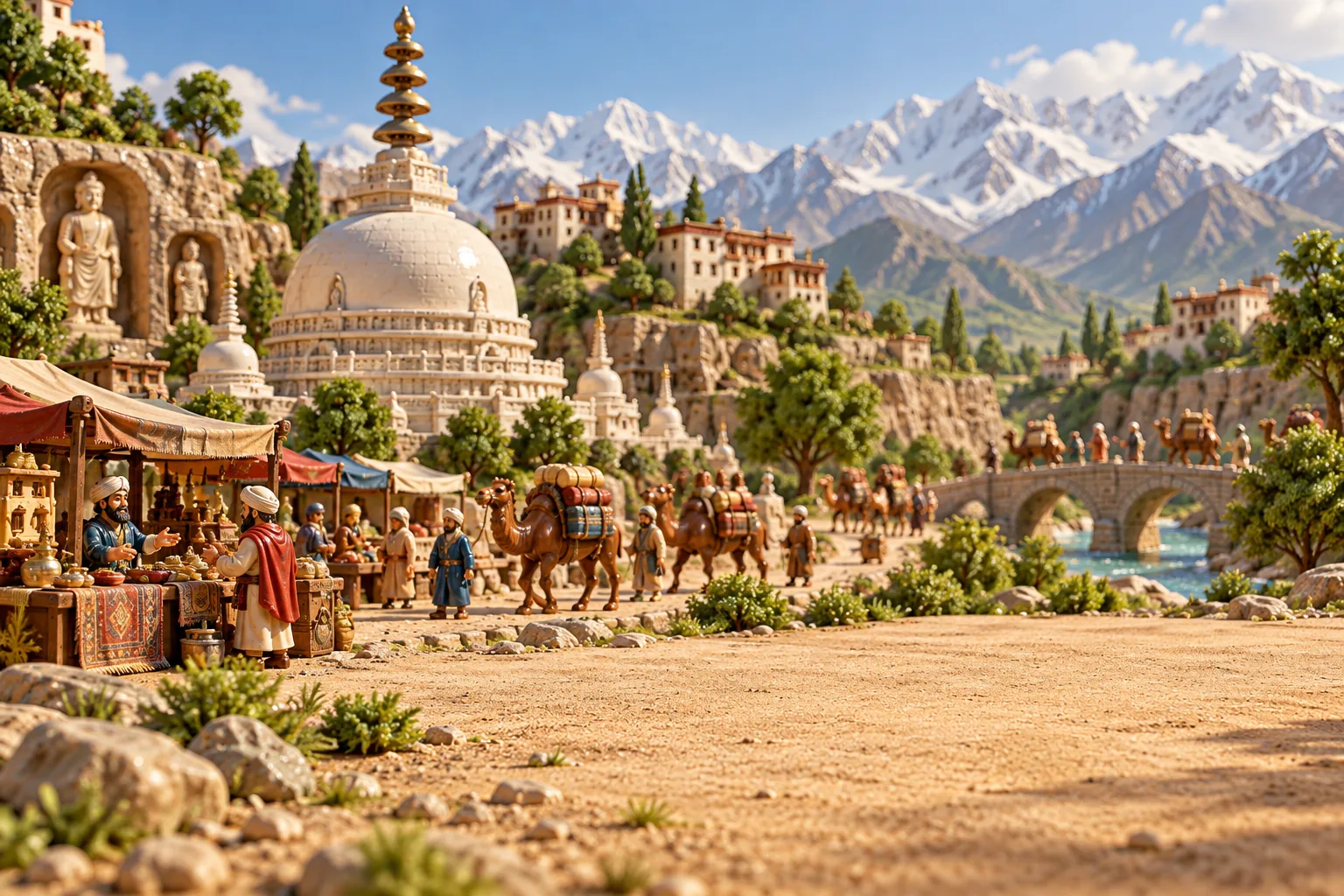
Nomads from the edge of China built an empire in Afghanistan and India where Roman glass, Chinese silk and Indian Buddhas met.
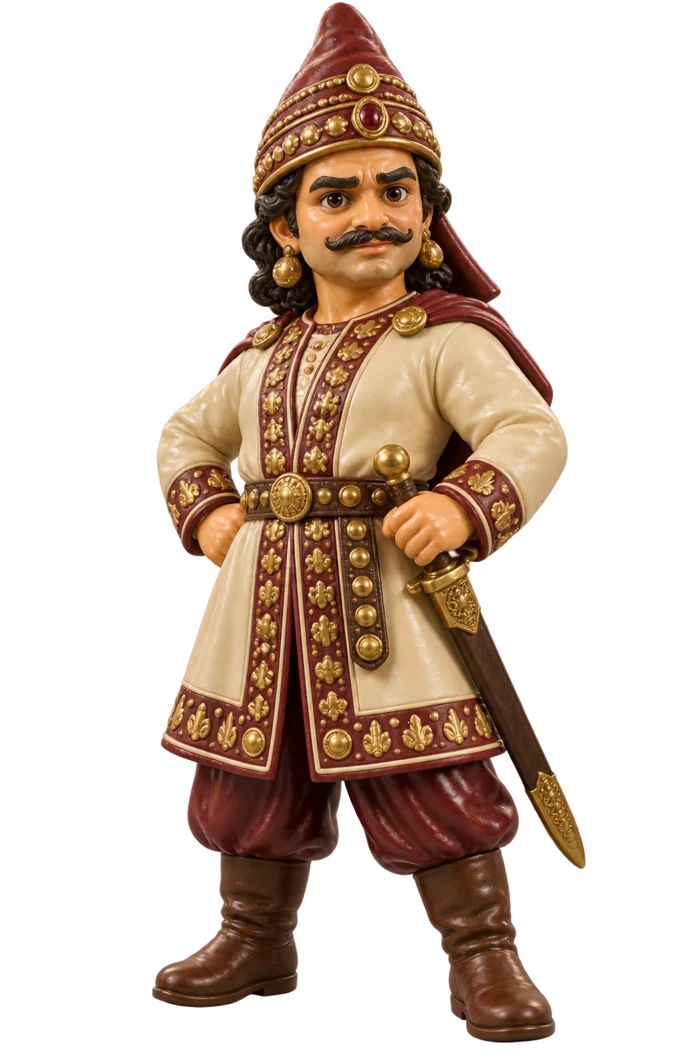
The Kushans were probably one of five branches of the Yuezhi, nomads who had left north-western China for ancient Bactria. Early in the first century their founder, Kujula Kadphises, followed Greek and Iranian models on his coins. His grandson Vima Kadphises ruled from about 95 to 127, and the Kushans spread south into Gandhara, the valley of Peshawar and Taxila. In AD 90 a Kushan army of 70,000 marched against the Chinese general Ban Chao and was beaten by a smaller force.
Kanishka the Great, whose era began in 127, ruled for about 23 years from Purushapura, today's Peshawar, with Mathura as a second capital, and his realm reached Pataliputra in the east. He convened a great Buddhist council in Kashmir, and the Kushans helped carry Mahayana Buddhism to Central Asia and China. The Greco-Buddhist art of Gandhara flourished, and their summer capital at Kapisa yielded the Treasure of Begram, works of art from Greece to China.
After Vasudeva I, the last of the Great Kushans, the empire broke into semi-independent kingdoms in the third century. The Sasanian king Shapur I claimed Kushan lands as far as Peshawar, and in the fourth century the Sasanians and Guptas pressed in from both sides.
Read more on Wikipedia
Sources: en.wikipedia.org/wiki/Kushan Empire


