Early modern · state
Livonian Confederation
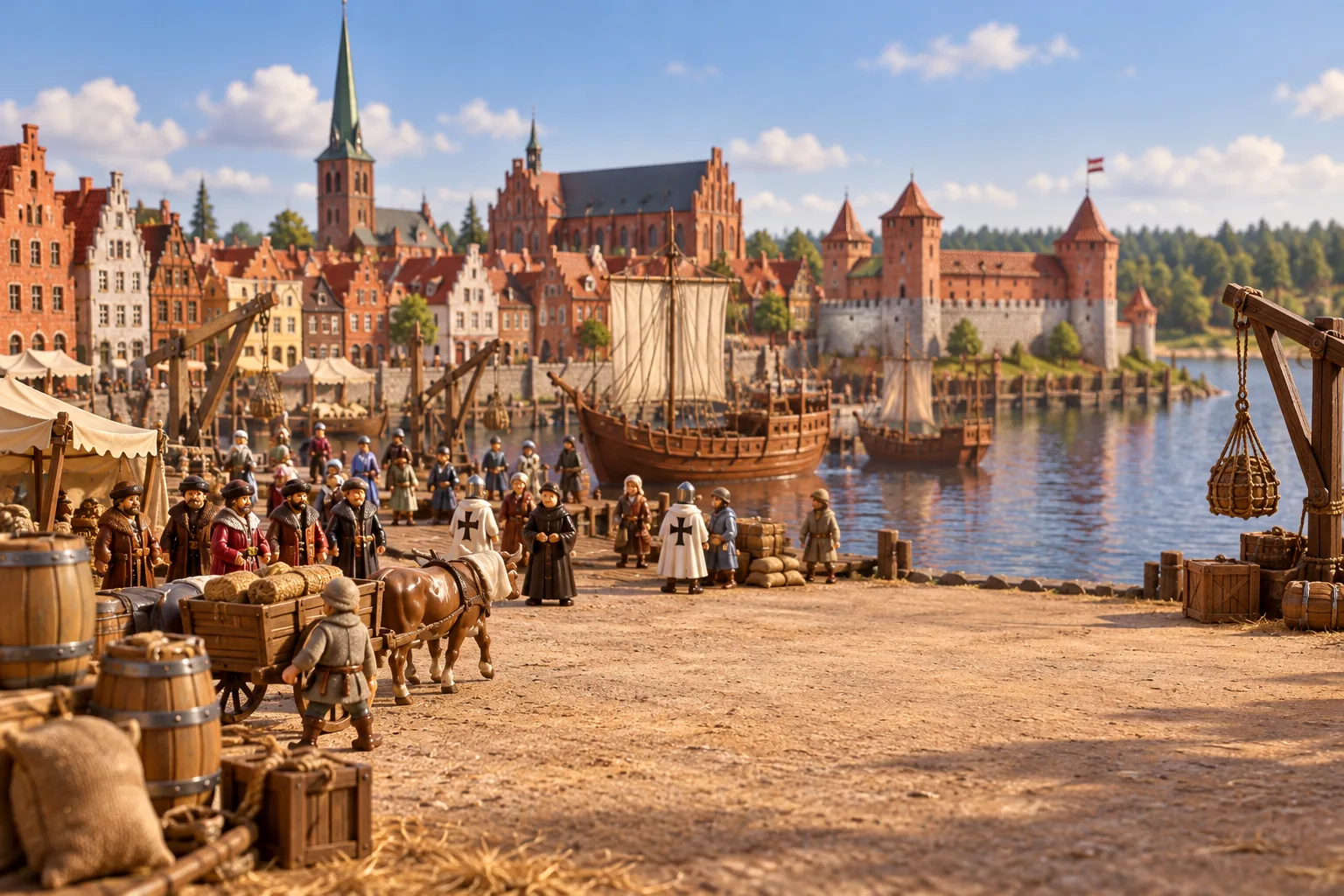
Crusader knights, prince-bishops and rich merchant towns ruled today's Latvia and Estonia together until Ivan the Terrible's invasion of 1558 broke them.
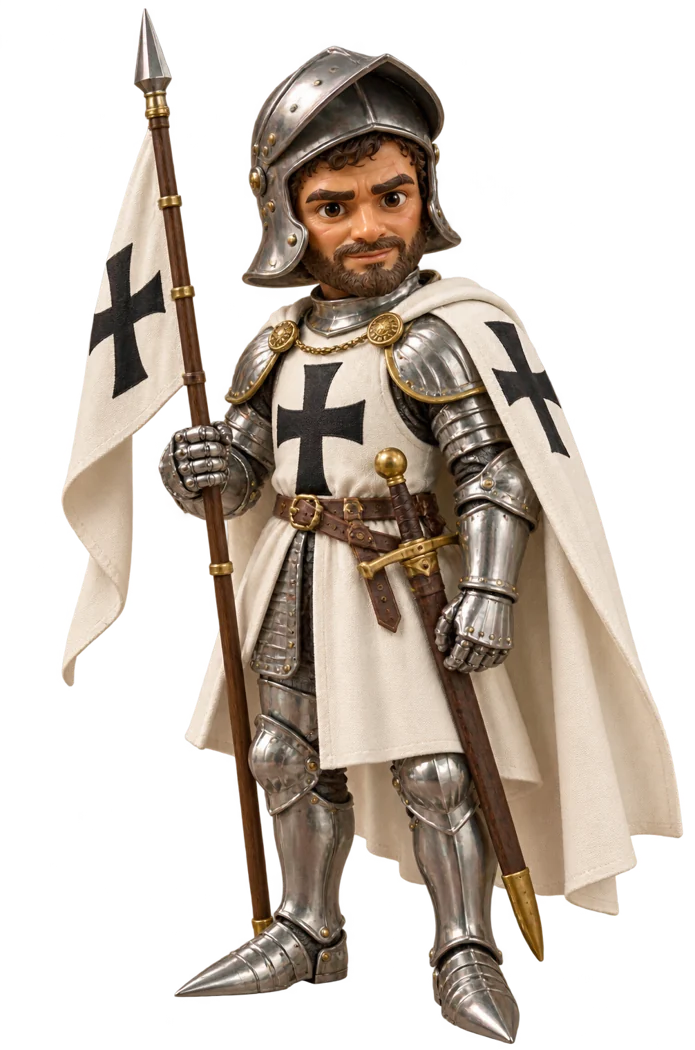
German crusaders conquered the lands of the Livs, Latgalians and Estonians on the eastern Baltic in the early thirteenth century and called them Terra Mariana, the Land of Mary. By the fifteenth century old Livonia, roughly today's Estonia and Latvia, was split between the knights of the Livonian Order, a branch of the Teutonic Order, the Archbishop of Riga, the bishops of Courland, Dorpat, Ösel-Wiek and Reval, and the Hanseatic towns of Riga, Reval and Dorpat.
They quarrelled constantly. At the urging of Archbishop Johannes Ambundii, a Livonian Diet of knights, bishops, vassals and townsmen first met at the small town of Walk in 1419. After the Order lost its Master and several leading knights at the Battle of Wiłkomierz on 1 September 1435, all sides signed a confederation agreement at Walk on 4 December 1435. Livonia became a league of small states without a single ruler, held together by the Diet.
The Order had stayed out of the disaster of Grunwald in 1410, and the league lasted for more than a century. Then in 1558 Russian armies under Ivan the Terrible invaded, and the Livonian War began. The Bishop of Ösel-Wiek sold his lands to Denmark, a Swedish army landed at Reval in 1561, and that year the Treaty of Vilnius dissolved the Order and placed most of what was left under Poland–Lithuania.
Read more on Wikipedia
Sources: en.wikipedia.org/wiki/Terra Mariana, en.wikipedia.org/wiki/Livonian War