Middle Ages · state
Saffarid dynasty
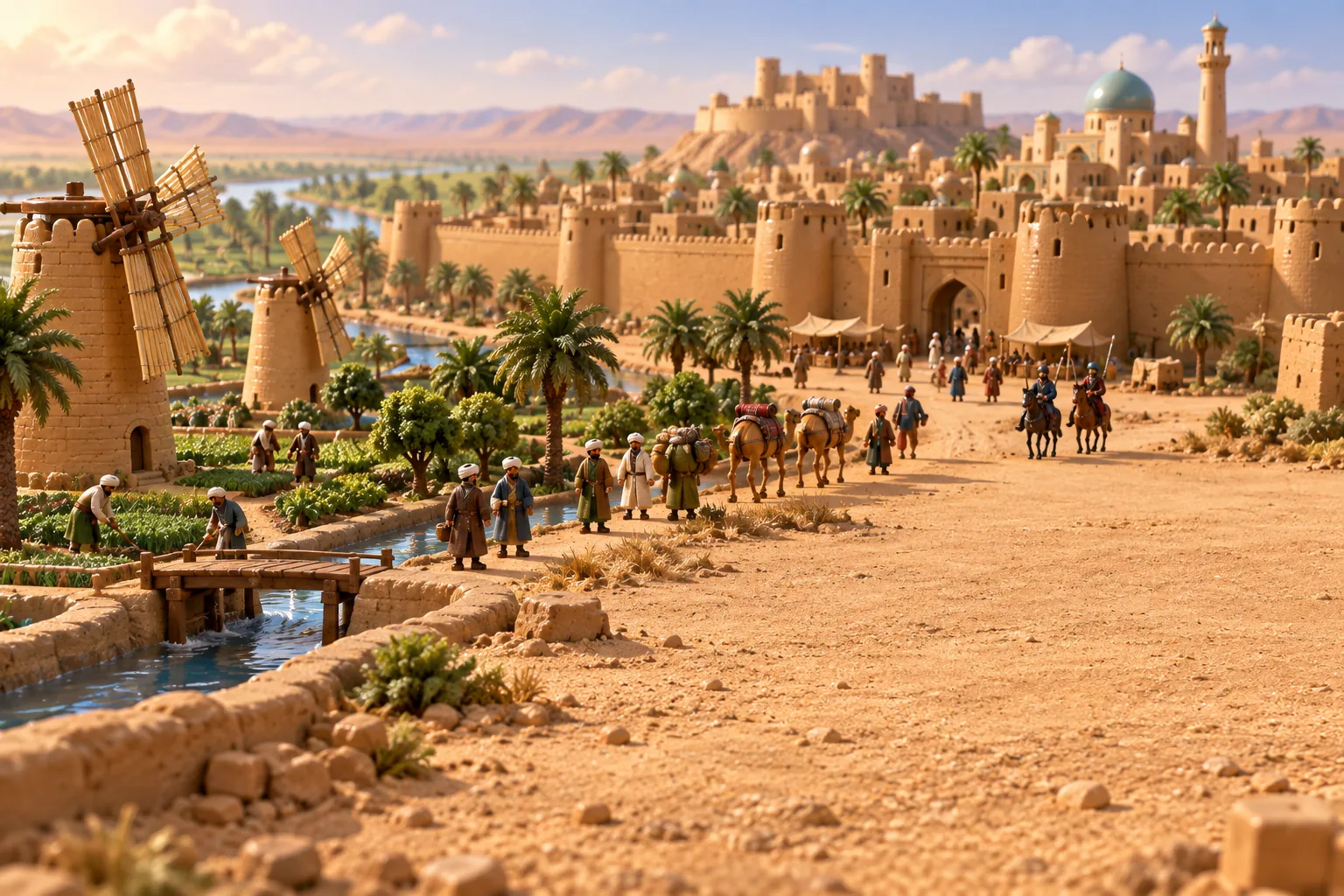
A coppersmith from Sistan built an empire from Kabul to the edge of Iraq and came within a few days' march of the caliph's Baghdad.
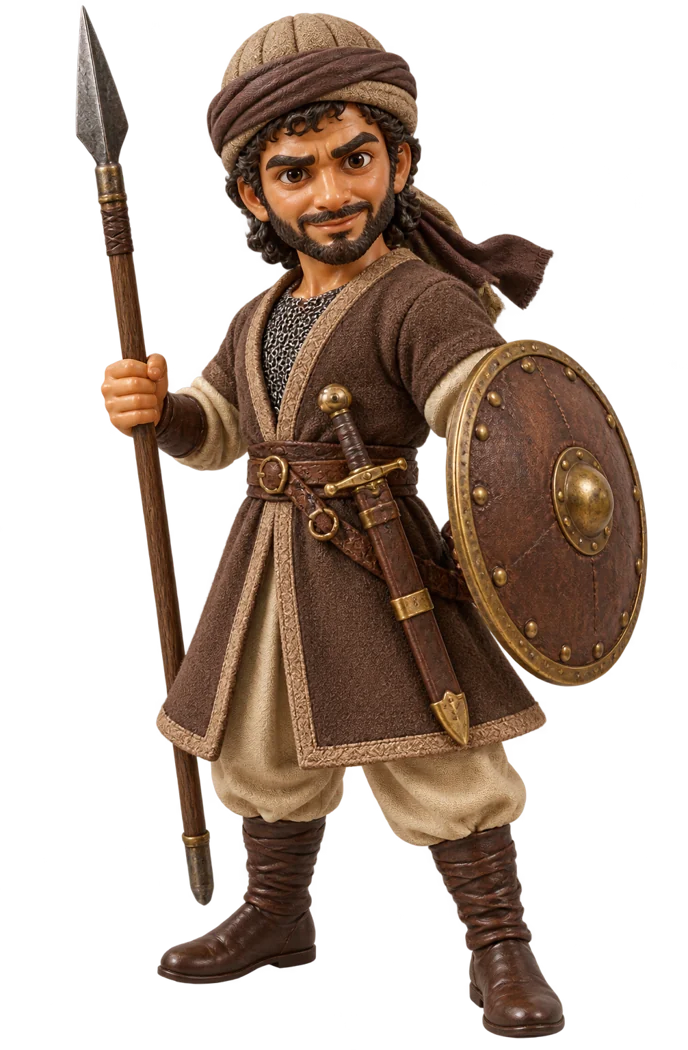
The dynasty takes its name from its founder, Ya'qub ibn al-Layth al-Saffar, Ya'qub the Coppersmith. Born in 840 in a small town east of Zaranj, he worked at the copper trade before joining the ayyars, armed bands of the frontier, and making himself ruler of Sistan. From his capital Zaranj he struck east into Arachosia, Zamindawar and Kabul, and by 865 he had beaten the Zunbils and pushed the Hindu Shahis back to Udabhanda.
He took Herat in 870 and in 873 overthrew the Tahirids and annexed Khorasan. Kerman, Fars and Khuzestan followed. In 876 Ya'qub marched on Baghdad itself, and the Abbasid army turned him back only a few days' march from the city. Even so, the caliphate had to recognise him as governor of Sistan, Fars and Kerman, and silver from the Panjshir mines filled his mints.
His brother Amr ibn al-Layth took over in 879 and held most of the empire, but in 900 the Samanid Ismail Samani defeated him at Balkh, and Khorasan was lost. The Samanids drove the family out of Sistan in 912. Saffarid rulers later returned there as minor princes, until Mahmud of Ghazni dethroned the last of them, Khalaf ibn Ahmad, in 1002.
Read more on Wikipedia
Sources: en.wikipedia.org/wiki/Saffarid dynasty, en.wikipedia.org/wiki/Ya'qub ibn al-Layth al-Saffar