Ancient world · state
Hittites
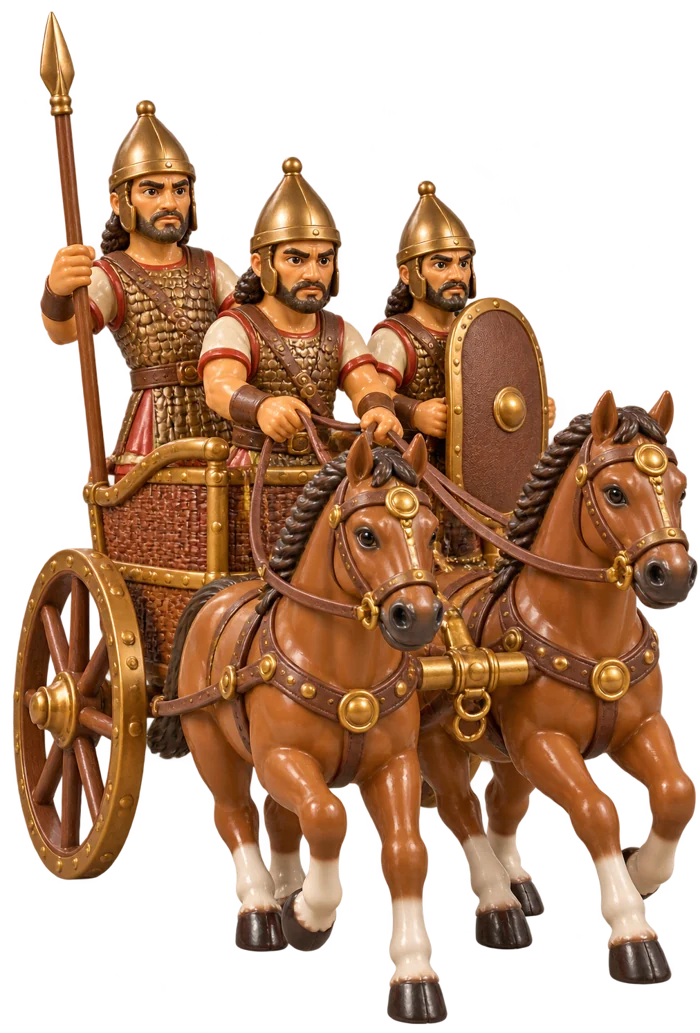
After fighting Ramesses II at Kadesh, the Hittite king made peace with Egypt in one of the oldest treaties to survive in full.
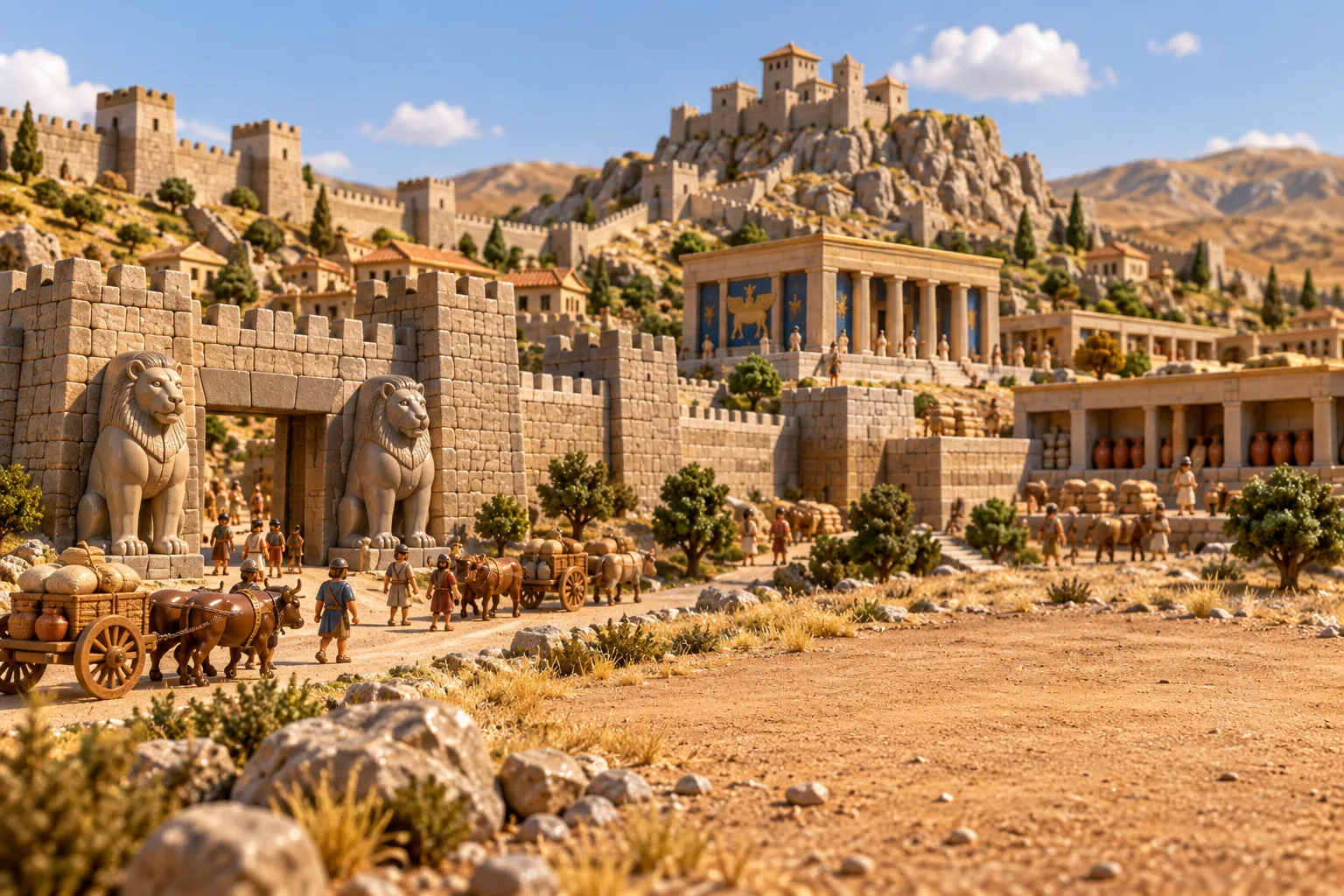
The Hittites spoke an Indo-European language, one of the oldest ever written down. Around 1650 BC Hattusili I founded a kingdom with its capital at Hattusa, near today's Boğazkale in Turkey. His grandson Mursili I led a long raid down the Euphrates, sacking Aleppo and Babylon around 1595 BC, but he was murdered by his brother-in-law and the royal family fell into feuds.
Šuppiluliuma I, around 1350 BC, retook Aleppo, defeated Carchemish and made the Hittites a power equal to Egypt and Assyria. Kings were called "My Sun" and served as high priests. The law code survives on two clay tablets of 186 articles each, and later reforms replaced many death sentences with fines. In about 1274 BC the Hittite army met Ramesses II at Kadesh in Syria, a battle neither side clearly won. Around 1258 BC Hattusili III signed a peace treaty with Ramesses that fixed their borders and sent a Hittite princess to marry the pharaoh.
Assyria seized more and more Hittite land in the 13th century BC. In the Late Bronze Age collapse, amid drought and unrest spread by the Sea Peoples, Hattusa was abandoned around 1190 BC. Small Neo-Hittite states such as Carchemish lasted until Assyria absorbed them in the 8th century BC. The empire was forgotten until a French scholar found Hattusa in 1834; digs from 1906 uncovered a royal archive of 10,000 tablets.
Read more on Wikipedia
Sources: en.wikipedia.org/wiki/Hittites


