Industrial age · state
Russian Empire
At its height it covered a sixth of the world's land, from Poland to the Pacific, and its last tsar was overthrown in a single week of 1917.
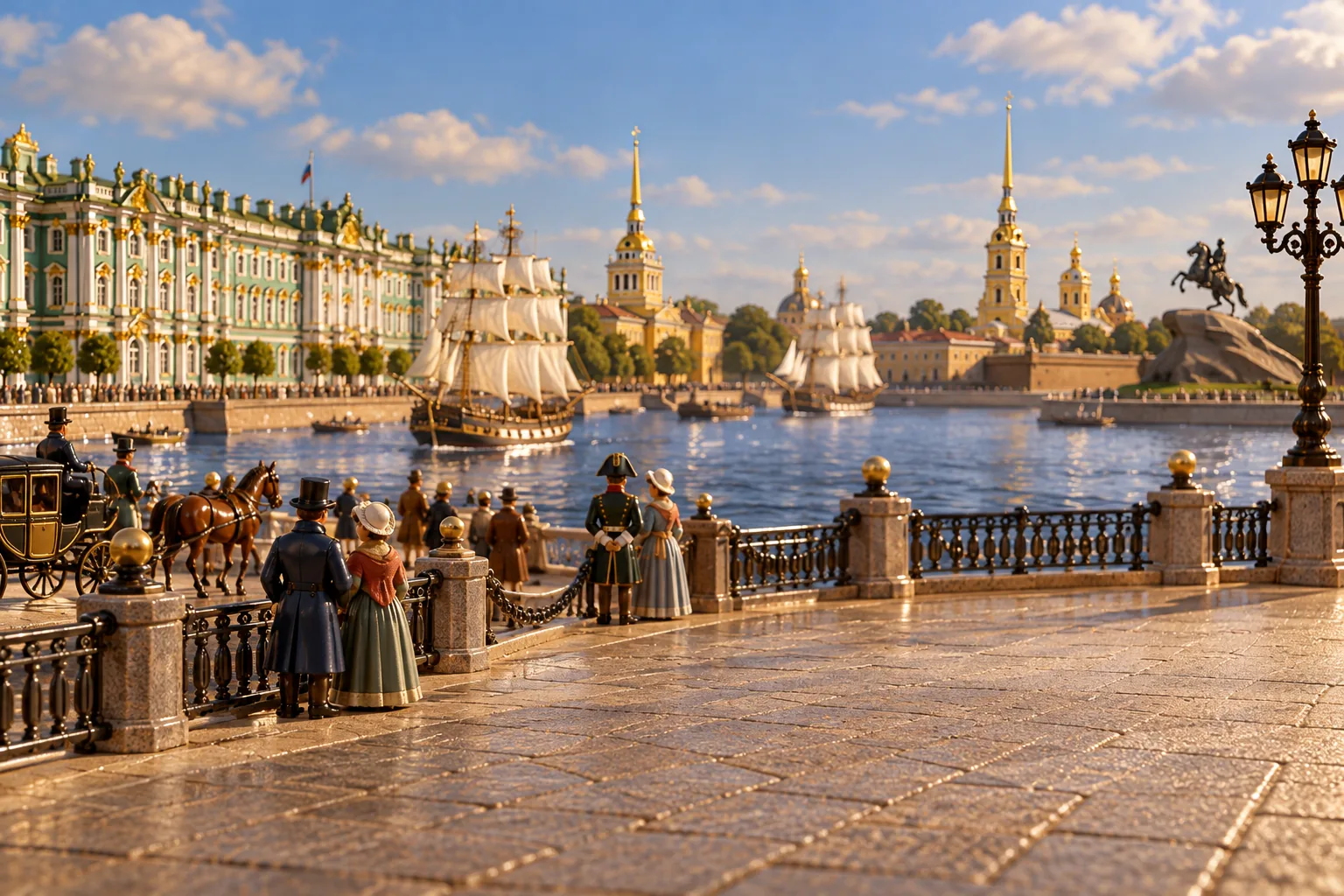
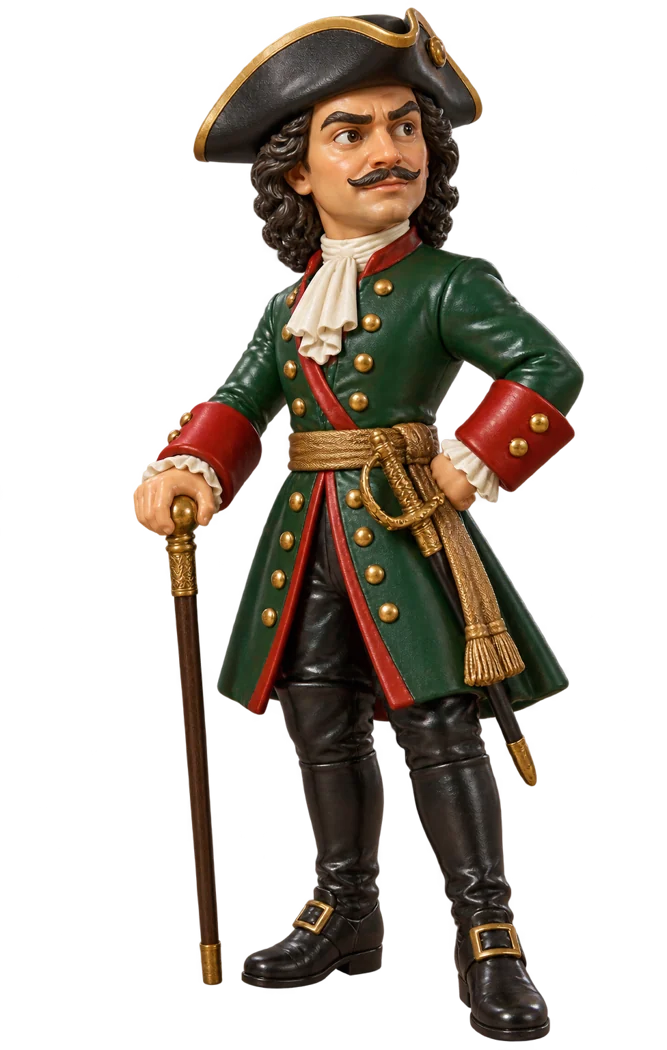
In 1721 Sweden asked for peace after the Great Northern War, and on the day the Treaty of Nystad was announced the Senate gave Peter the Great the title of emperor. The old Tsardom of Russia became the Russian Empire. Peter had already founded Saint Petersburg on the Neva delta in 1703 to replace Moscow as the capital, and he bound the nobles to state service through the Table of Ranks.
Catherine the Great, who reigned from 1762 to 1796, won land near the Black Sea from the Ottomans and took a large share of Poland in the partitions. Alexander I saw off Napoleon's invasion of 1812. Defeat in the Crimean War of 1853–1856 pushed Alexander II into reform, and in 1861 he freed about 23 million serfs. The 1897 census counted 126 million people, and the Trans-Siberian Railway, built from 1890 to 1904, opened up Siberia.
Under Nicholas II, the revolution of 1905 forced the tsar to accept an elected parliament, the State Duma. The First World War brought huge losses and food shortages. In February 1917 unrest in Petrograd and army mutinies led him to abdicate, the Bolsheviks seized power in October, and in July 1918 they murdered the Romanov family in Yekaterinburg.
Read more on Wikipedia
Sources: en.wikipedia.org/wiki/Russian Empire