Ancient world · state
Neo-Babylonian Empire
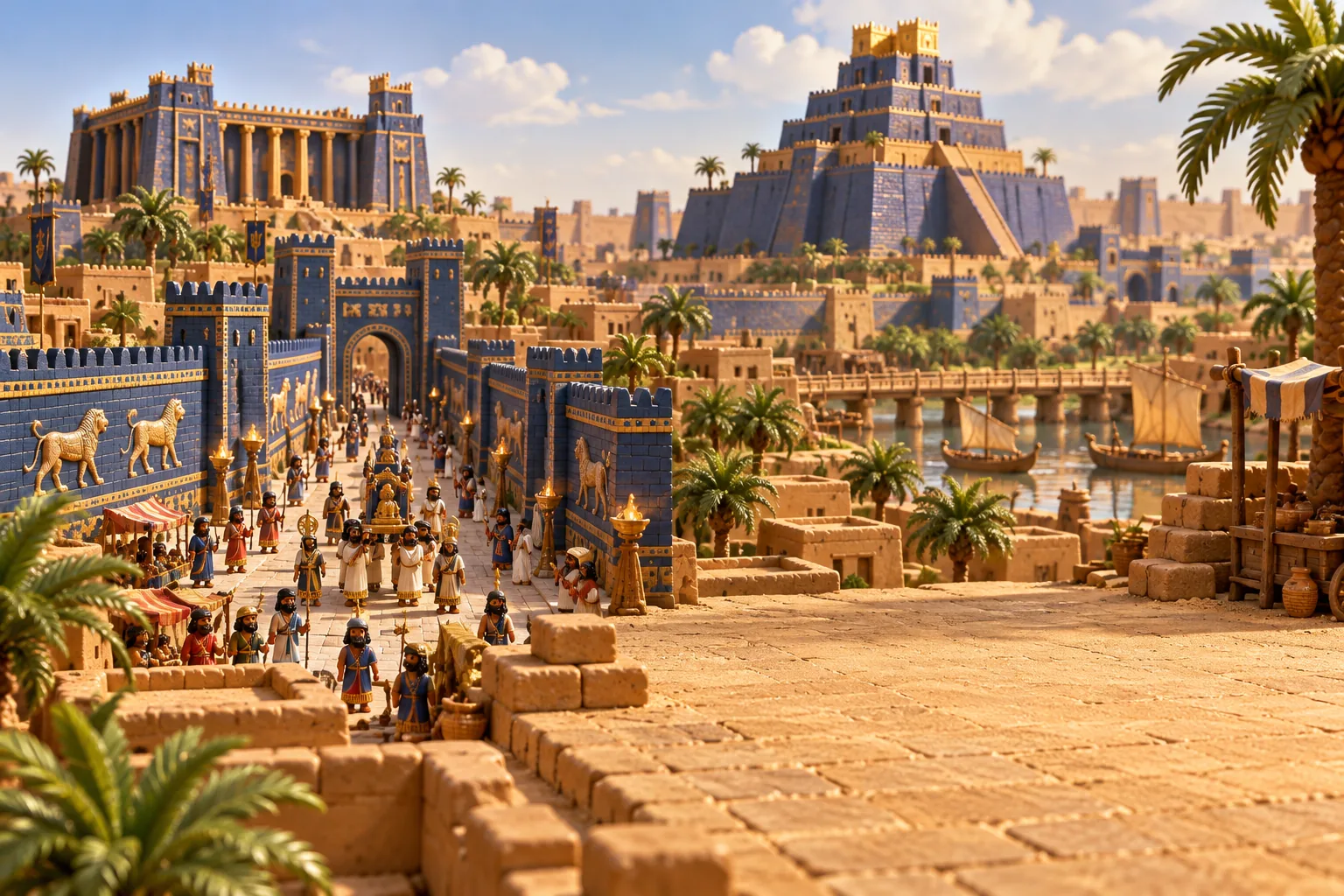
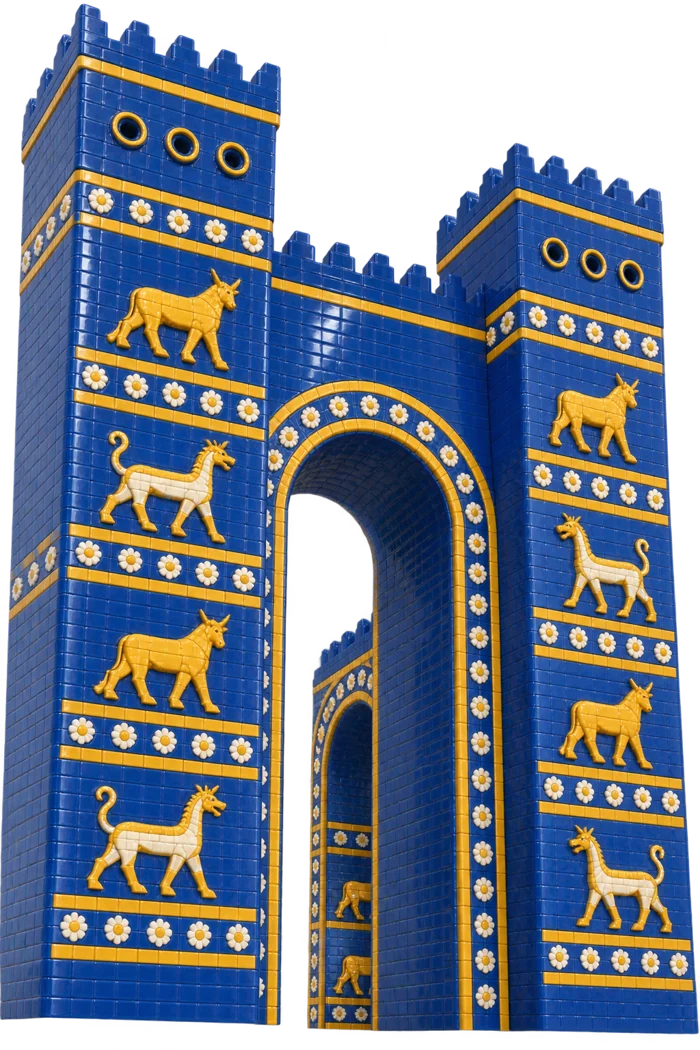
Nebuchadnezzar II rebuilt Babylon with the blue-glazed Ishtar Gate and carried the people of Jerusalem into exile after 587 BC.
The Neo-Babylonian Empire, also called the Chaldean Empire, was the last state ruled by native kings of ancient Mesopotamia. In 626 BC Nabopolassar, an official in the south, revolted against Assyria and seized Babylon and Nippur. Allied with the Medes under Cyaxares, he marched on the Assyrian capital Nineveh in 612 BC, and in 605 BC his crown prince Nebuchadnezzar crushed the last Assyrian resistance at Carchemish.
Nebuchadnezzar II succeeded his father that same year. His campaigns in the Levant included the siege of Jerusalem in 587 BC, which destroyed Solomon's Temple, ended the Kingdom of Judah and sent many of its leading citizens to Babylon, the start of the Babylonian Captivity. He was also a great builder: Babylon's Ishtar Gate and Processional Street were faced with coloured glazed bricks moulded into reliefs, and the bricks of the street bear his name. Some sources say he built the Hanging Gardens for his wife, though their existence is doubted.
Babylonian rule brought economic and population growth and a renaissance of art. The last king, Nabonidus, took power after a palace murder, favoured the moon god Sîn over Babylon's patron Marduk, and spent ten years in the Arabian oasis of Tayma while his son Belshazzar governed. In 539 BC Cyrus the Great of Persia beat the Babylonians at Opis and took Babylon.
Read more on Wikipedia


