Industrial age · state
Empire of Brazil
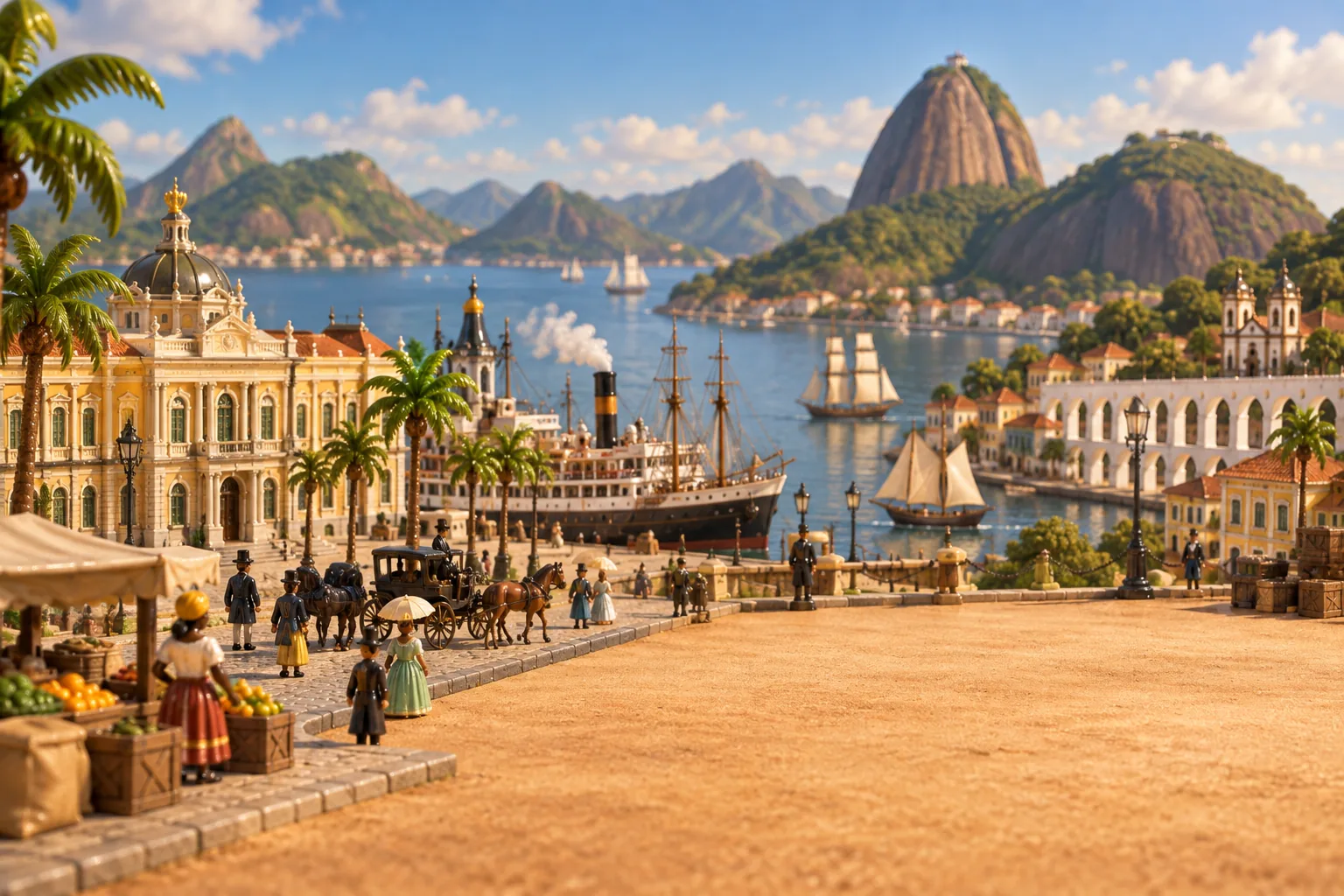
Brazil became independent under a Portuguese prince and stayed an empire for 67 years, until a coup so quiet that few who saw it knew it was a rebellion.
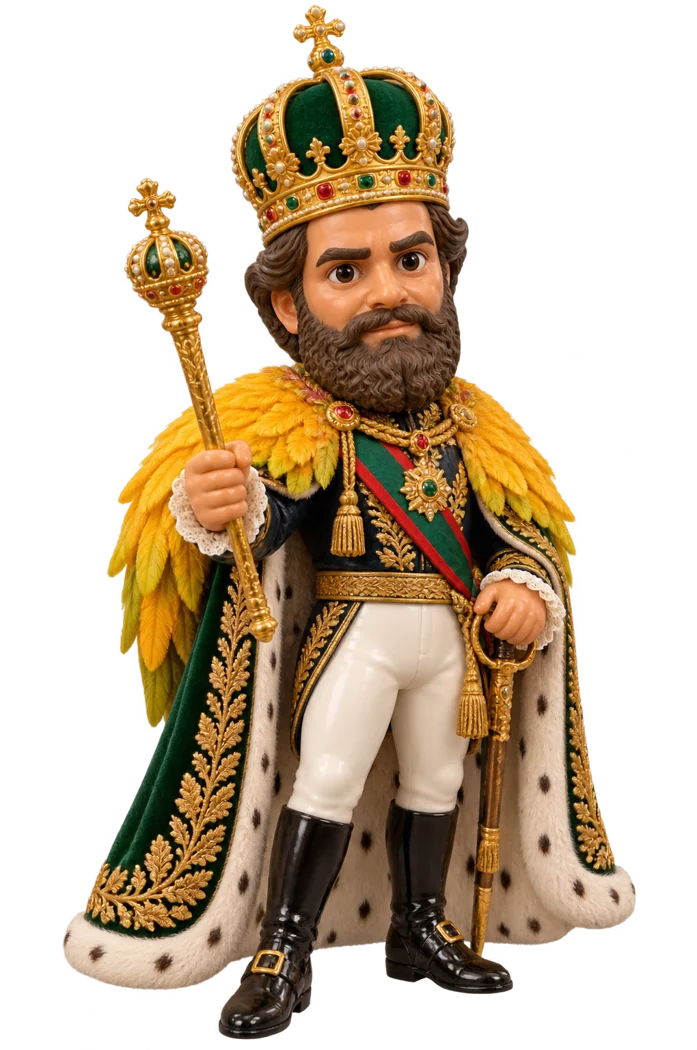
In 1808 the Portuguese prince regent, later King John VI, fled Napoleon's invasion and made Rio de Janeiro the seat of the Portuguese Empire. Returning home, he left his son Pedro as regent. On 7 September 1822 Pedro declared Brazil independent, won a war against Portugal and became Emperor Pedro I. After losing the Cisplatine War, which made Uruguay independent in 1828, he abdicated in 1831 and left the throne to his five-year-old son, Pedro II.
A weak regency brought regional civil wars, but Pedro II, once declared of age, restored order; the Praieira revolt of 1848 was the monarchy's last rebellion. The Eusébio de Queirós Law of 1850 moved to end slave imports,. The Paraguayan War of 1864–1870 ended in total victory but killed more than 50,000 Brazilian soldiers. By 1889 coffee led exports and 9,200 kilometres of railway formed Latin America's largest network. The Law of Free Birth of 1871 freed all children born to enslaved women.
Each step against slavery cost the crown the loyalty of planters. On 13 May 1888 Princess Isabel signed the Golden Law, which abolished slavery completely. The ageing emperor did little to defend the monarchy, and few accepted Isabel as heir. On 15 November 1889 army officers seeking a republican dictatorship staged a coup; the imperial family was sent into exile two days later, and the First Brazilian Republic began.
Read more on Wikipedia


