Industrial age · person
Friedrich Nietzsche
He wrote the first part of his most famous book in ten days, and of its fourth part he printed just 40 copies, handing a few to friends.
Friedrich Wilhelm Nietzsche was born on 15 October 1844 in Röcken, near Leipzig, the son of a Lutheran pastor who died when he was four. The family moved to Naumburg, and as a pastor's son he won a scholarship to the famous boarding school of Schulpforta, where he learned Greek, Latin, Hebrew and French. He studied at Bonn and Leipzig, discovered the philosopher Arthur Schopenhauer and met the composer Richard Wagner. In 1869, aged only 24 and without a finished doctorate, he became Professor of Classical Philology at the University of Basel.
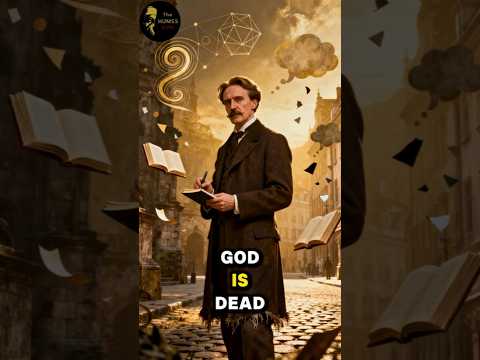
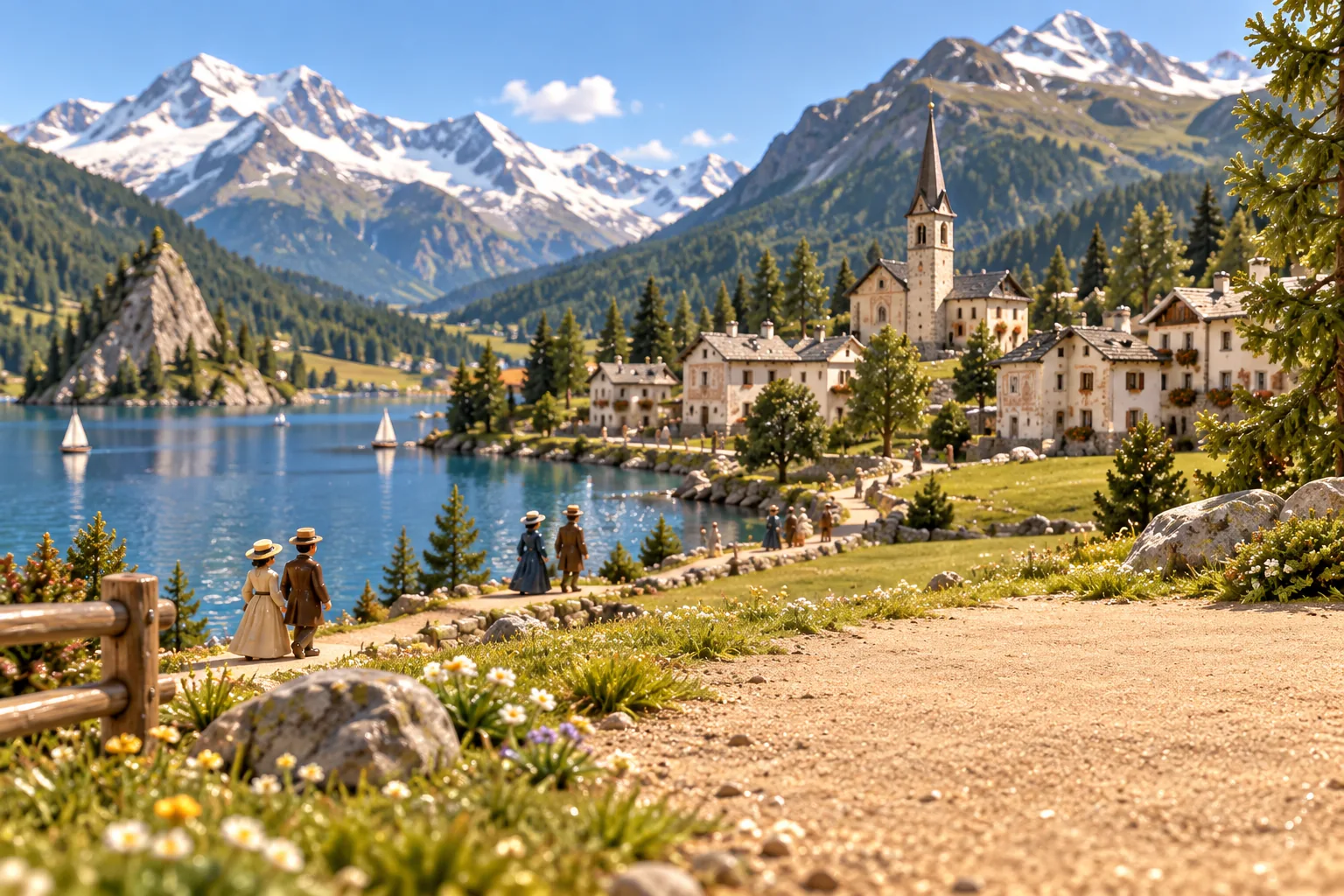
He served as a medical orderly in the Franco-Prussian War and in 1872 published his first book, The Birth of Tragedy. Constant illness forced him to resign in 1879, and on a small pension he became a wandering philosopher, spending summers at Sils Maria in the Swiss Alps and winters in Genoa, Rapallo, Turin and Nice. A great rock near Surlej, close to Sils, inspired Thus Spoke Zarathustra. He wrote its first part in only ten days at Rapallo in 1883, after a painful break with Lou Salomé and his family. In 1885 he printed just 40 copies of the fourth part. The idea that "God is dead" and the figure of the Übermensch made his name.
In January 1889, aged 44, he collapsed in Turin and never recovered his mind. He died in Weimar on 25 August 1900. His sister Elisabeth edited his papers, and her editions tied his work to fascism and Nazism.
Read more on Wikipedia