Antiquity · person
Zenobia
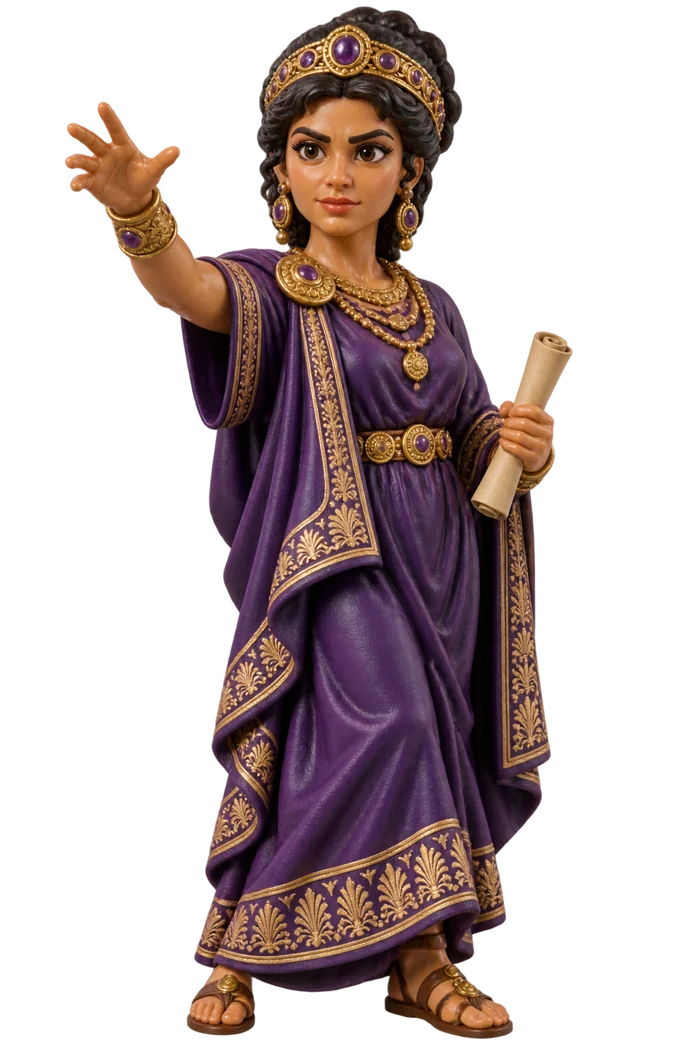
For a short while a desert caravan city ruled from Upper Egypt to central Anatolia, and the woman in charge of it was Bat-Zabbai, whom the Greeks called Zenobia.
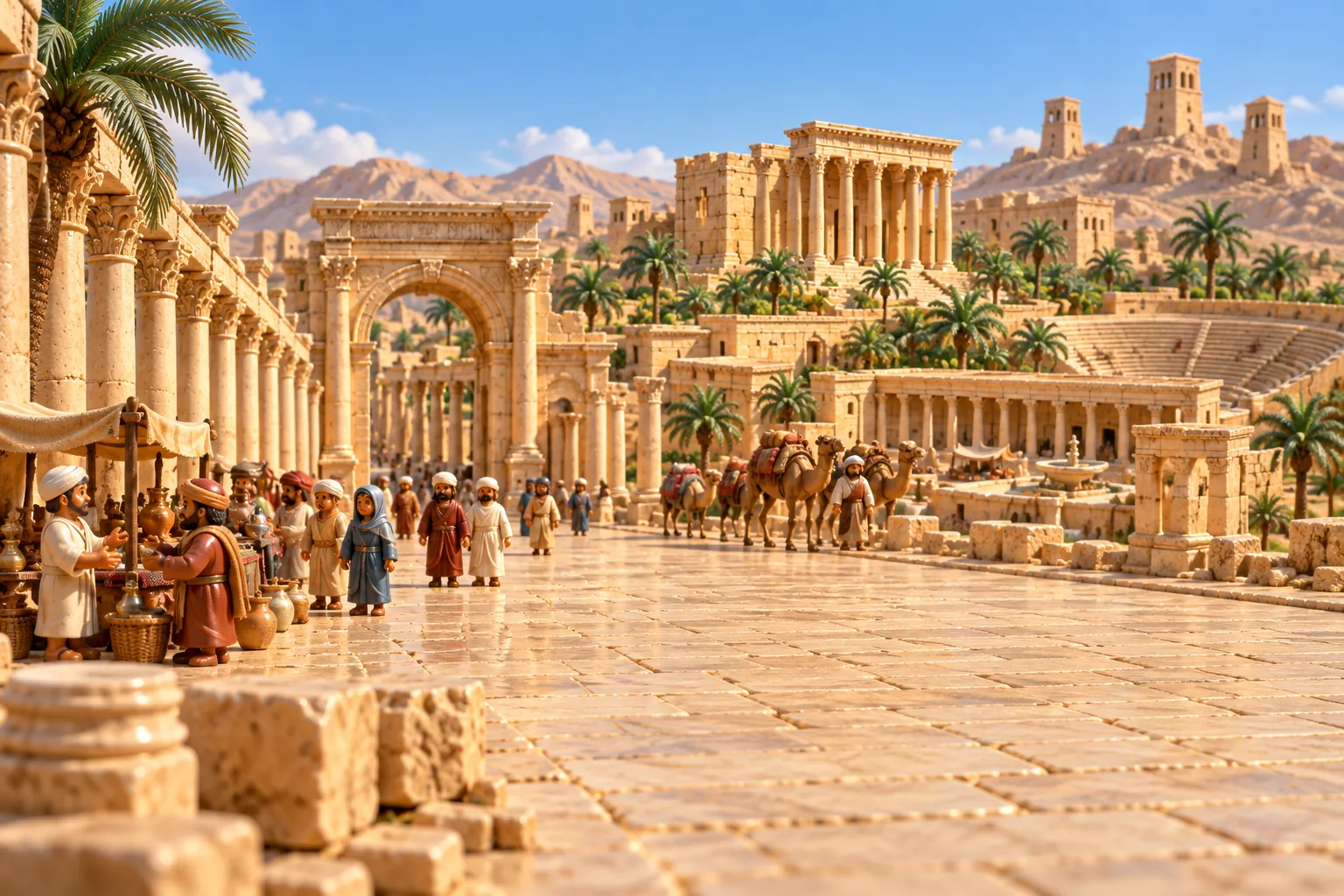
Zenobia was born around 240, probably into a leading family of Palmyra, the rich caravan city of the Syrian desert. Her Aramaic name was Bat-Zabbai; in Greek, Palmyra's second language, she was Zenobia, and she bore the Roman family name Septimia. She married Odaenathus, who became king of Palmyra in 260 and made the city the leading power in the Near East by defeating the Sasanian Persians and stabilising the Roman East.
When Odaenathus was assassinated in 267, Zenobia became regent for their young son Vaballathus and took power herself. In 270 she invaded the Roman East and annexed Egypt. By mid-271 her realm stretched from Ancyra in central Anatolia to Upper Egypt, though she still nominally served Rome. Her court became a centre of learning, where the philosopher Longinus was her tutor, and she protected religious minorities. When Emperor Aurelian marched east in 272, she proclaimed her son emperor and herself empress, an open break with Rome.
Aurelian took Egypt and Asia Minor, beat her armies at Immae and Emesa and besieged Palmyra. Zenobia was captured trying to cross the Euphrates to Persia in 272. Most historians agree she was paraded in Aurelian's triumph in Rome in 274; one late account says she was then given a villa at Tibur, near Hadrian's Villa. She remains a national symbol in Syria.
Read more on Wikipedia
Sources: en.wikipedia.org/wiki/Zenobia


