Antiquity · person
Chandragupta Maurya
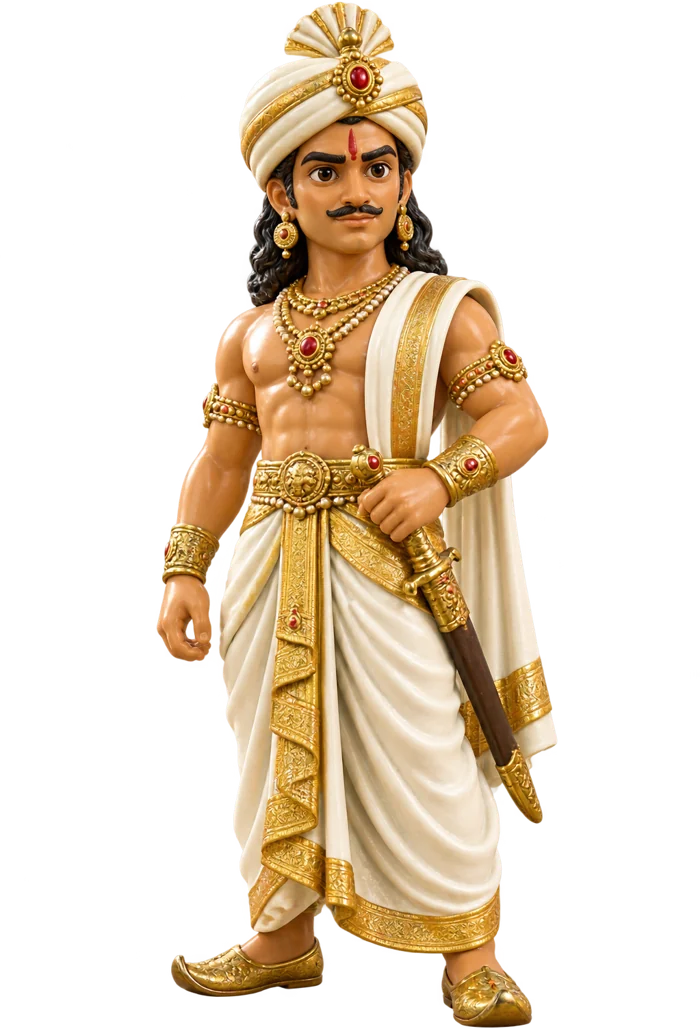
As a youth he is said to have seen Alexander the Great; within a few years of Alexander's death he had overthrown the Nanda kings and founded an empire that stretched to the Indus.
Nothing certain is known about Chandragupta's birth or early life; there are only legends, and the story of his reign is pieced together from fragments of Greek and Roman writers and from Indian religious texts written centuries later. Plutarch says that as a young man he saw Alexander the Great, whose campaign in India of 326–325 BC left the Punjab in turmoil. In the legends his mentor is Chanakya, a Brahmin who had been insulted by the Nanda king of Magadha.
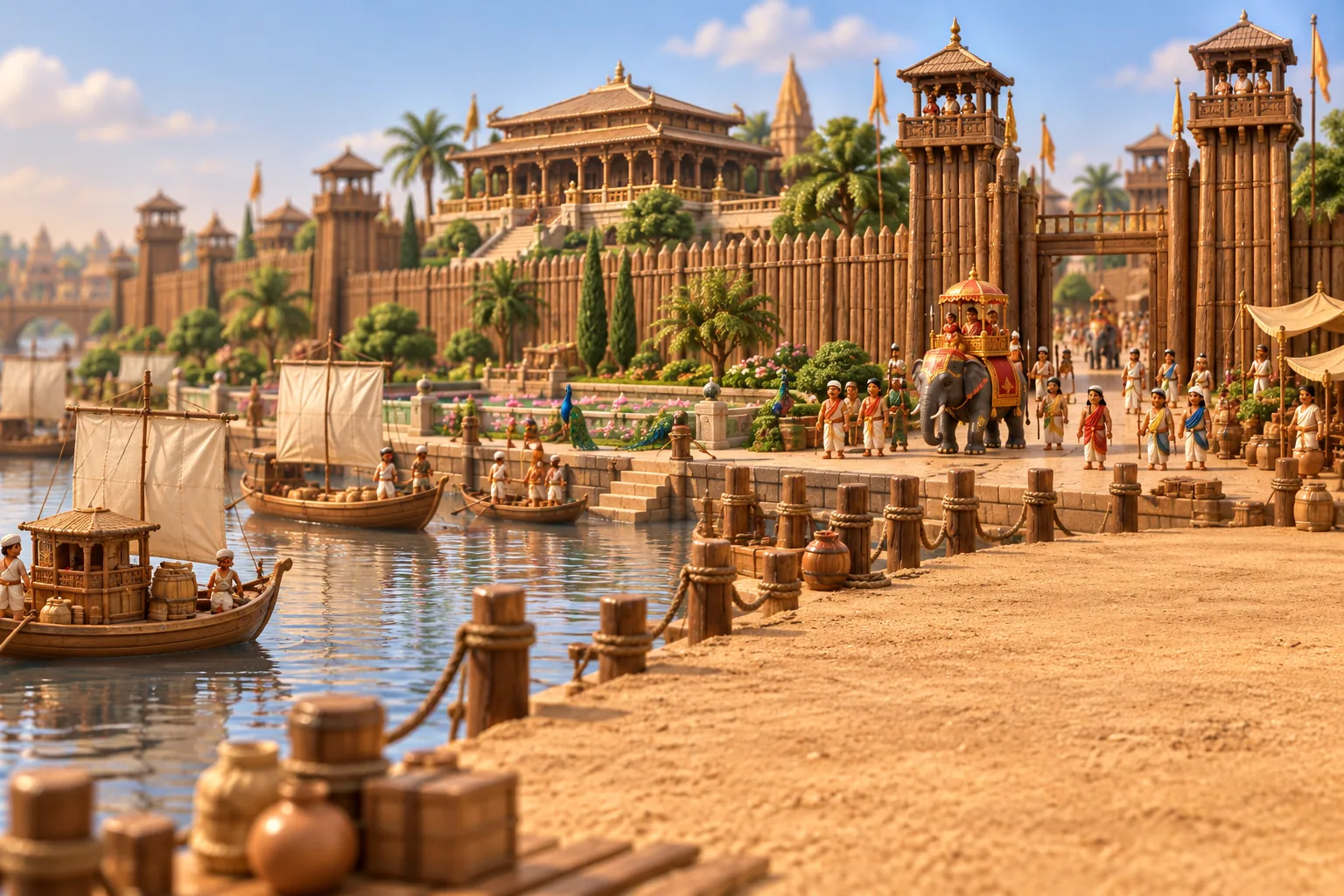
With Chanakya at his side he raised an army, fought the Greek garrisons left in the Punjab and rose against the unpopular Nandas, finally taking their capital Pataliputra, today's Patna. His conquest of Magadha is usually dated to about 322–319 BC. Around 305–303 BC Seleucus I Nicator, who ruled Alexander's eastern lands, faced him on the Indus; instead of fighting they made a marriage alliance, Seleucus gaining 500 war elephants and Chandragupta the lands bordering the Indus. Seleucus sent the ambassador Megasthenes to his court, and his empire came to include Gujarat and a wide network of cities and trade routes.
According to Digambara Jain accounts he gave up his throne, became a monk under the teacher Bhadrabahu and went south to Shravanabelagola in Karnataka, where he ended his life by sallekhana, a ritual fast. His son Bindusara succeeded him, and the empire reached its peak under his grandson Ashoka.
Read more on Wikipedia
Sources: en.wikipedia.org/wiki/Chandragupta Maurya, en.wikipedia.org/wiki/Maurya Empire

