Antiquity · person
Ashoka
After a war that by his own count killed 100,000, an Indian emperor had his remorse carved in stone and spent the rest of his reign preaching righteous conduct.
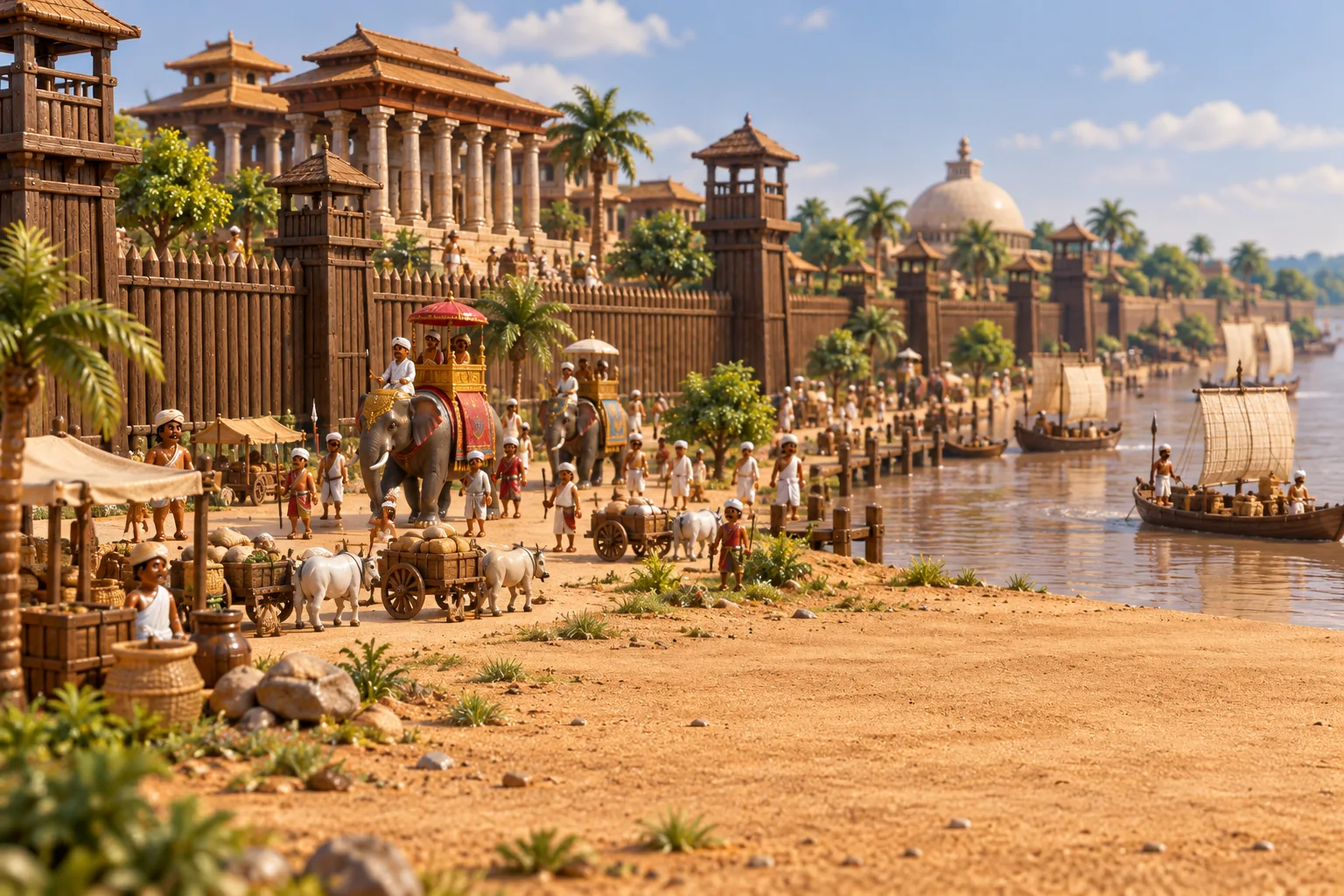
Ashoka was a son of the Mauryan emperor Bindusara and a grandson of Chandragupta Maurya, who founded the empire. Buddhist legends say his father disliked his looks but gave him important posts: he put down a revolt at Takshashila, according to the northern tradition, and governed Ujjain as viceroy, according to the Sri Lankan one. Around 269–268 BC he took the throne at Pataliputra, the capital, by legend after killing many of his brothers, though his own inscriptions show that some survived.
In his eighth regnal year he conquered Kalinga, on India's east coast. His thirteenth Rock Edict says that 100,000 people were killed, many times that number perished and 150,000 were carried off, and that remorse turned him to dhamma, righteous conduct. A few years later he was drawn to Buddhism. He had his edicts cut into rocks and pillars across his empire, mostly in the Brahmi script, with Greek and Aramaic versions at Kandahar, calling himself Devanampiya, Beloved of the Gods. Tradition credits him with countless stupas, the Third Buddhist Council and missionaries, among them his son Mahinda, sent to Sri Lanka.
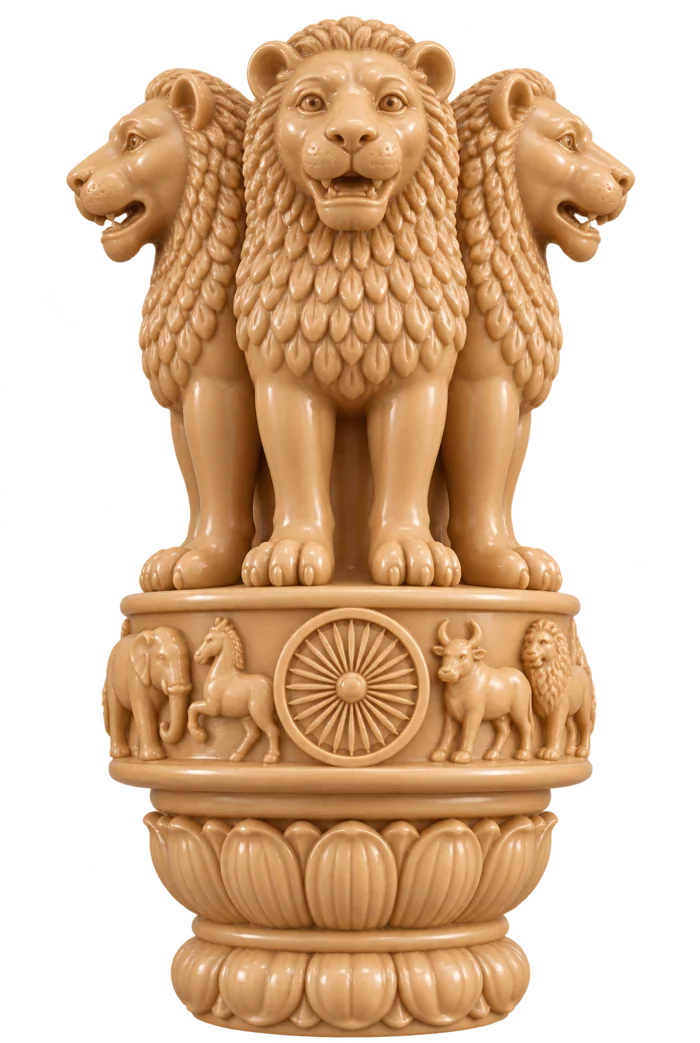
He died in 232 BC. His name was almost forgotten until scholars deciphered the Brahmi script in the 19th century. Today India's state emblem is his Lion Capital from Sarnath, and his wheel, the Ashoka Chakra, sits at the centre of the national flag.
Read more on Wikipedia
Sources: en.wikipedia.org/wiki/Ashoka