Ancient world · person
Cyrus the Great
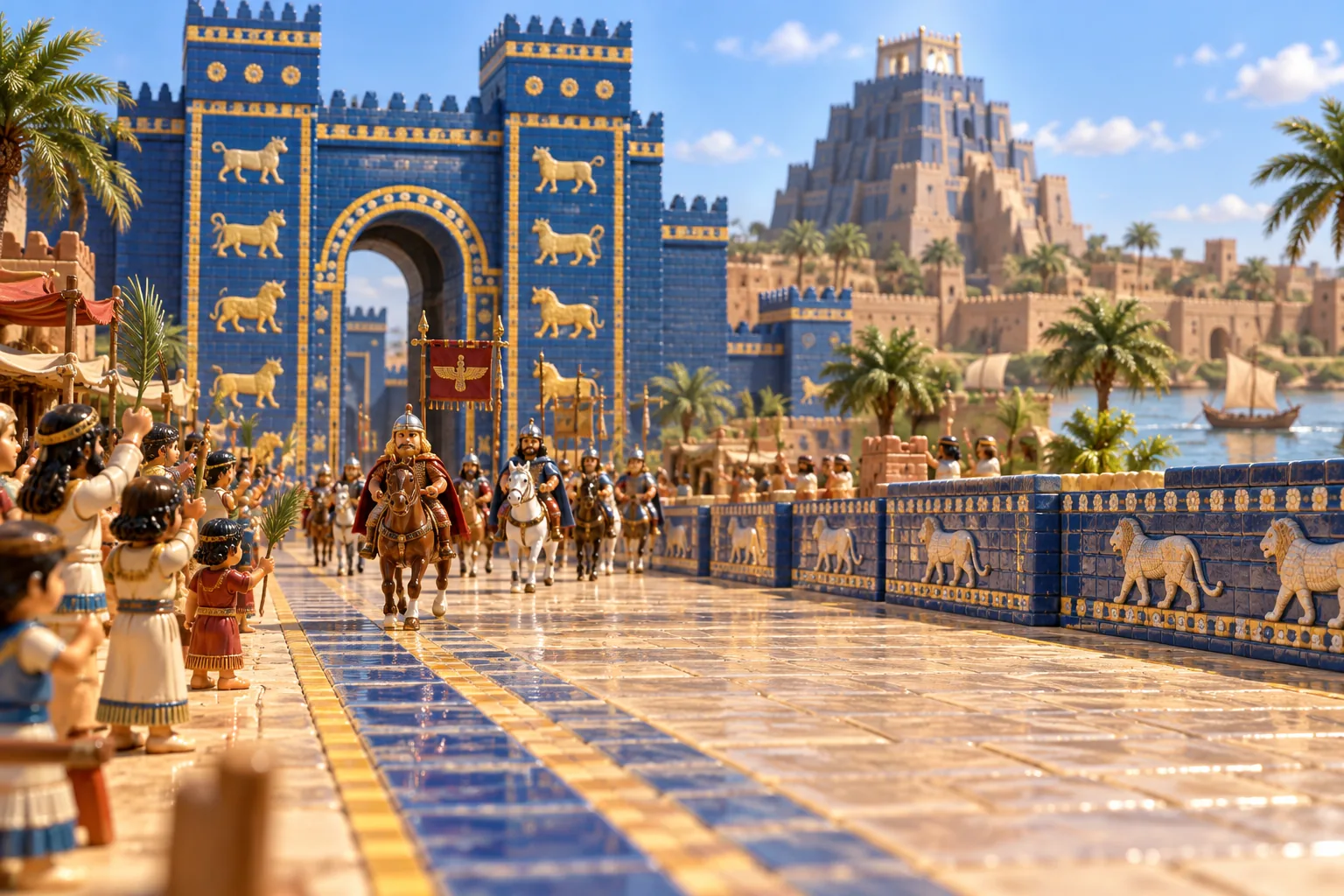
On 29 October 539 BC the Persian king rode into Babylon, the greatest city on earth, which his army had taken without a fight.
Cyrus was born around 600 BC, the son of Cambyses I, king of Anshan in southwest Iran, and of Mandane, daughter of Astyages, king of the Medes. Herodotus tells a legend that Astyages, warned by dreams, ordered the baby killed and that a royal shepherd raised him instead. Cyrus inherited the throne at Pasargadae as a vassal of the Medes. When Astyages marched against him, the Median army mutinied and Cyrus captured his own grandfather and took his empire.
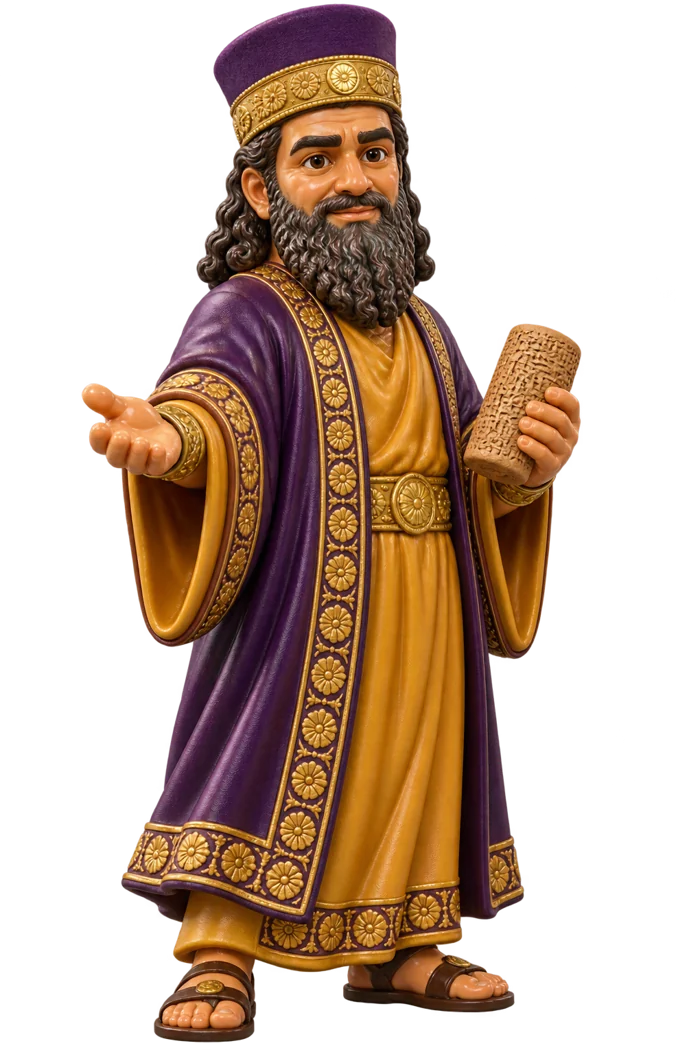
In 546 BC he besieged Sardis and conquered Lydia and its king, Croesus. Then he turned on Babylon. Just before October 539 BC he routed the Babylonian army at Opis on the Tigris; Sippar fell without a battle on 10 October, around 12 October his general Gubaru entered Babylon unopposed and seized King Nabonidus, and on 29 October Cyrus entered the city. On a clay cylinder placed in the foundations of Marduk's temple, the Esagila, he called himself "king of Babylon, king of Sumer and Akkad, king of the four corners of the world". He let the exiled Jews return to Judah, and the Book of Isaiah calls him the Lord's anointed, the only non-Jew given that title.
In 530 BC he campaigned in Central Asia. Herodotus says he fell in battle against the Massagetae of Queen Tomyris along the Syr Darya, though Xenophon has him die at home. A limestone tomb at Pasargadae, believed to be his, still stands, and his empire became the largest the world had yet seen.
Read more on Wikipedia


