Industrial age · person
Sacagawea
In August 1805, deep in the Rocky Mountains, the expedition's young interpreter looked at the Shoshone chief they needed horses from and recognised her own brother.
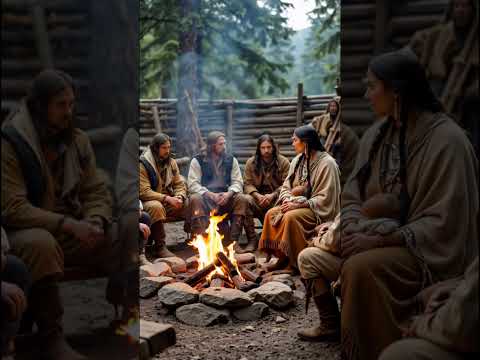
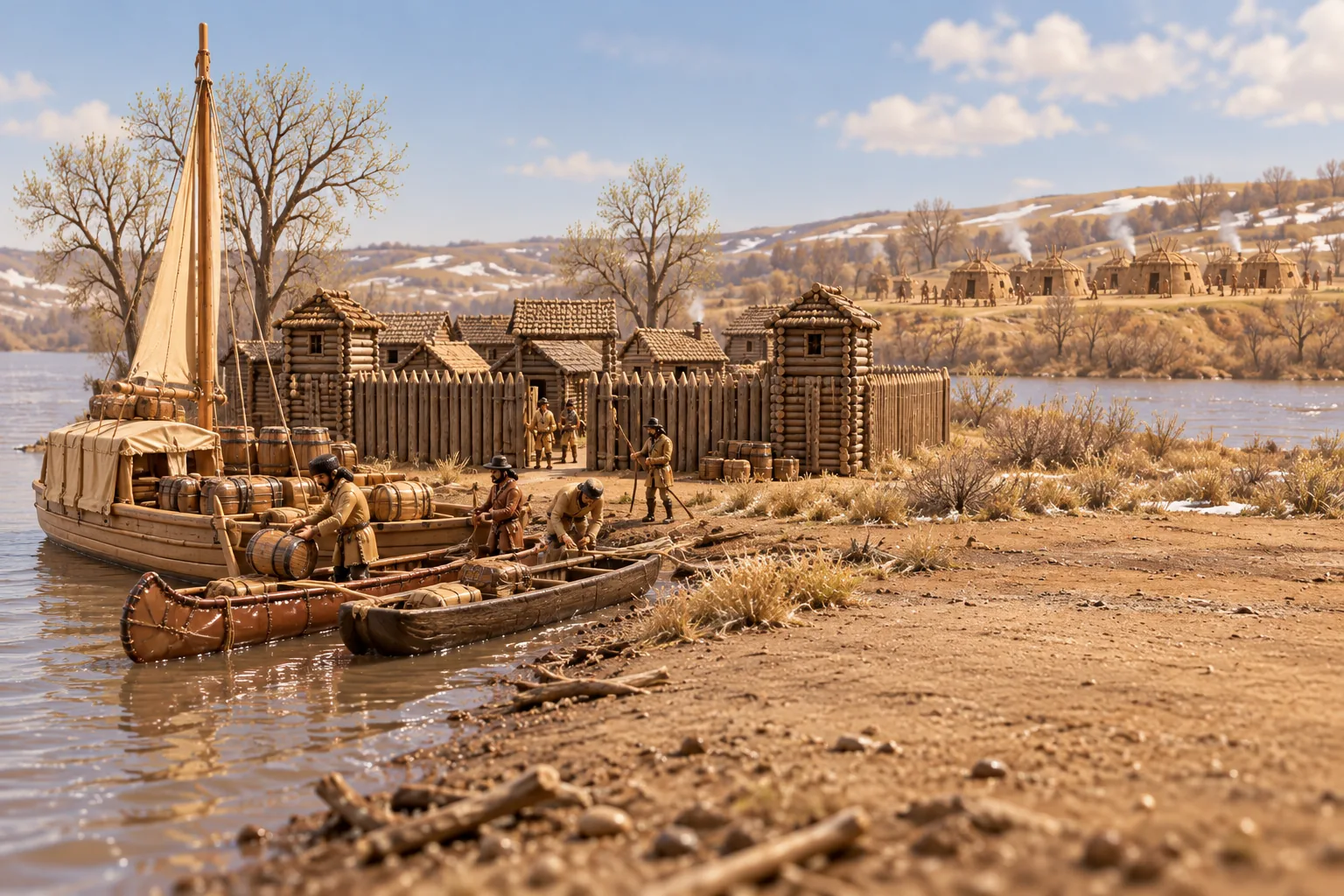
Very little about Sacagawea is certain. According to her husband she was born around 1788 among the Lemhi Shoshone near present-day Salmon, Idaho. Around 1800, aged about 12, she was taken captive in a Hidatsa raid and held at a village near today's Washburn, North Dakota. At about 13 she became, without her consent, a wife of the Quebecois trapper Toussaint Charbonneau. In the winter of 1804 Meriwether Lewis and William Clark, building Fort Mandan nearby, hired Charbonneau and "one of his wives, who spoke Shoshone" as interpreters. She gave birth to a son, Jean Baptiste, at the fort in February 1805.
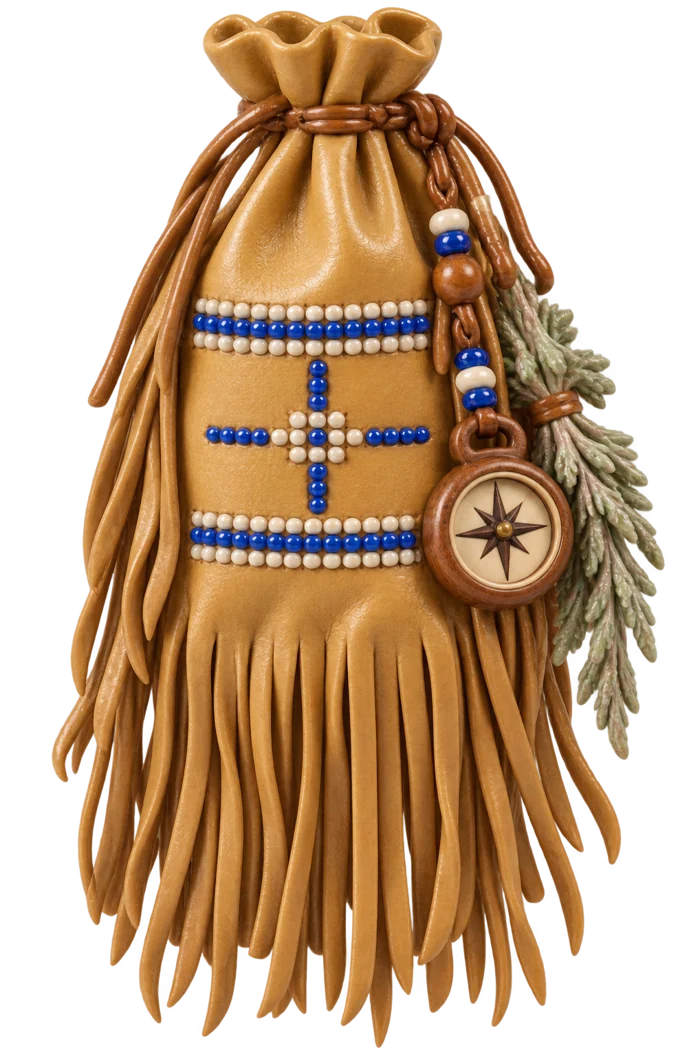
In April 1805 the Corps of Discovery left Fort Mandan up the Missouri. On 14 May she rescued the journals and supplies from a capsized boat, and the captains named a river after her. In August they found the Shoshone, whose chief Cameahwait turned out to be her brother, and the tribe traded the horses and guides needed to cross the Rockies. She helped the starving party find camas roots, gave up her blue beaded belt to buy a sea-otter robe for President Jefferson, and in November voted with the others on where to build their winter fort on the Pacific. On the way back she pointed Clark to the gap now called Bozeman Pass.
Clark offered to raise her son, whom he called Pomp. A clerk at the Fort Lisa trading post recorded her death from a fever on 20 December 1812, though a Shoshone tradition holds that she lived until 1884 in Wyoming.
Read more on Wikipedia
Sources: en.wikipedia.org/wiki/Sacagawea, en.wikipedia.org/wiki/Lewis and Clark Expedition