Our time · person
Neil Armstrong
With alarms sounding and the computer steering for unsafe ground, he took the controls and set the Eagle down on the Moon by hand.
Neil Alden Armstrong was born near Wapakoneta, Ohio, on 5 August 1930. He earned a student flight certificate on his 16th birthday, before he had a driver's licence, and in 1947 began studying aeronautical engineering at Purdue University with the Navy paying his tuition. As a naval aviator he flew the F9F Panther from the carrier USS Essex in the Korean War. Back home he became a test pilot at Edwards Air Force Base and flew the rocket plane X-15 seven times.
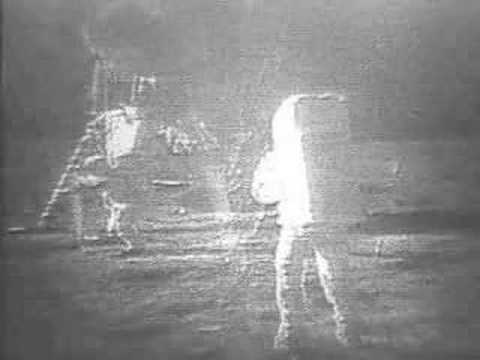
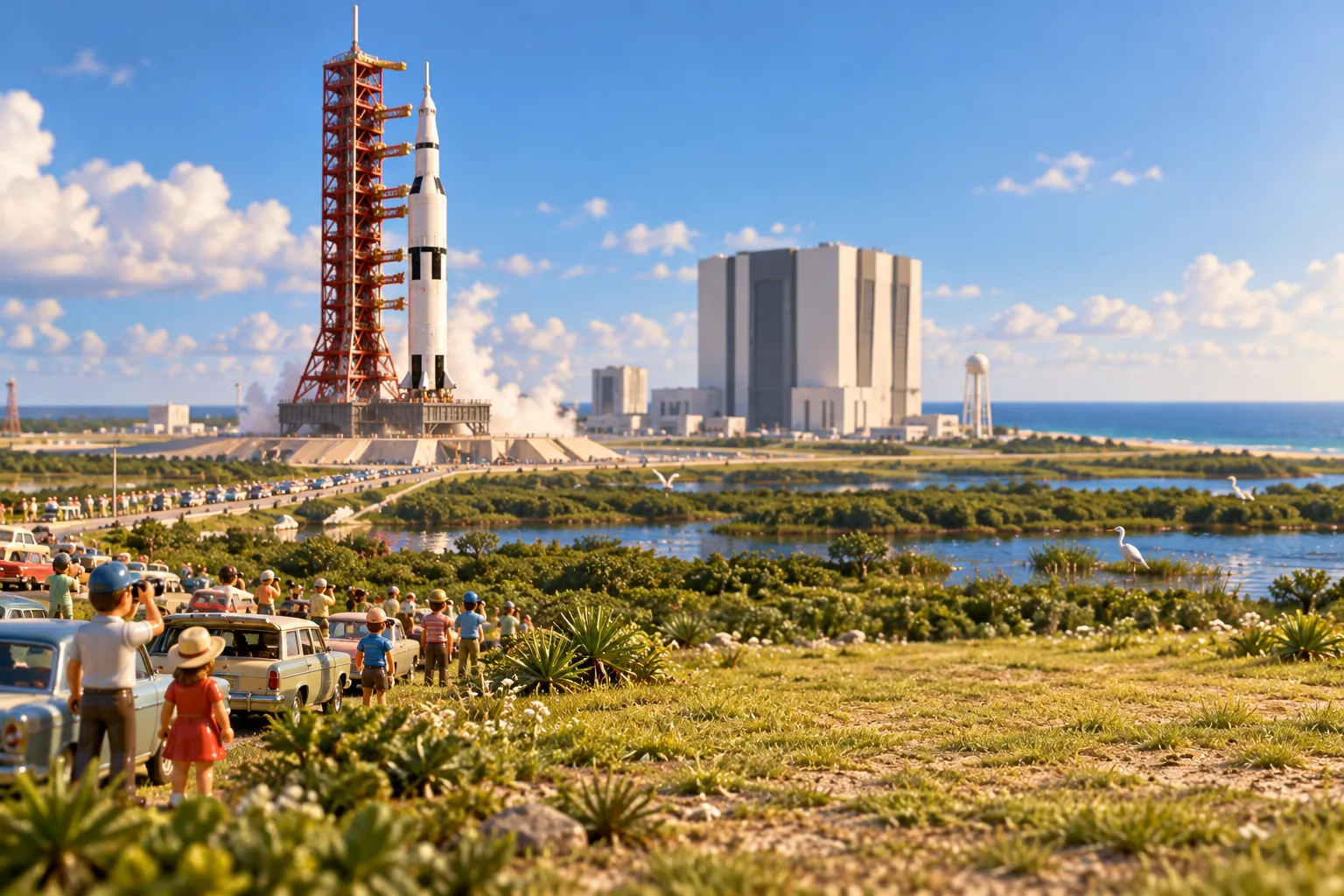
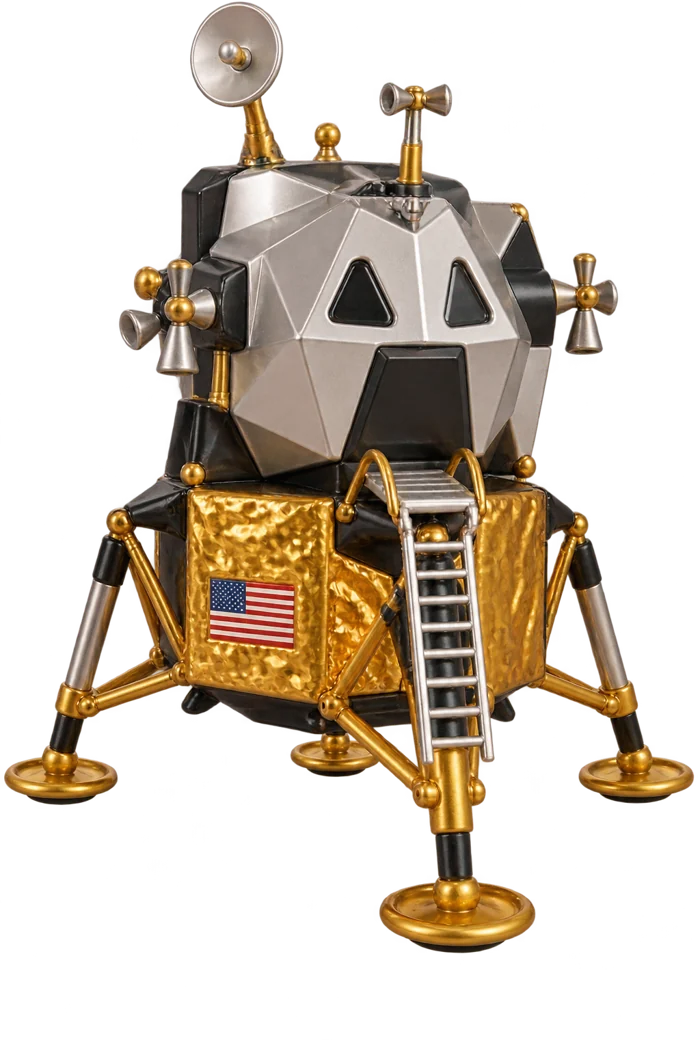
NASA chose him as an astronaut in 1962. In March 1966 he commanded Gemini 8, performed the first docking of two spacecraft and saved the mission when a stuck thruster sent it into a dangerous roll. On 16 July 1969 a Saturn V rocket launched Apollo 11 from Launch Complex 39A at the Kennedy Space Center. On 20 July, as computer alarms rang and the lunar module Eagle headed for unsafe ground, Armstrong took manual control and landed with Buzz Aldrin: "Houston, Tranquility Base here. The Eagle has landed." Hours later he stepped onto the surface and said, "That's one small step for [a] man, one giant leap for mankind," watched live by an estimated 530 million people.
Armstrong left NASA in 1971 and taught aerospace engineering at the University of Cincinnati until 1979. A private man, he avoided fame. He died on 25 August 2012, aged 82, and his ashes were scattered in the Atlantic Ocean.
Read more on Wikipedia
Sources: en.wikipedia.org/wiki/Neil Armstrong