Our time · person
Jane Goodall
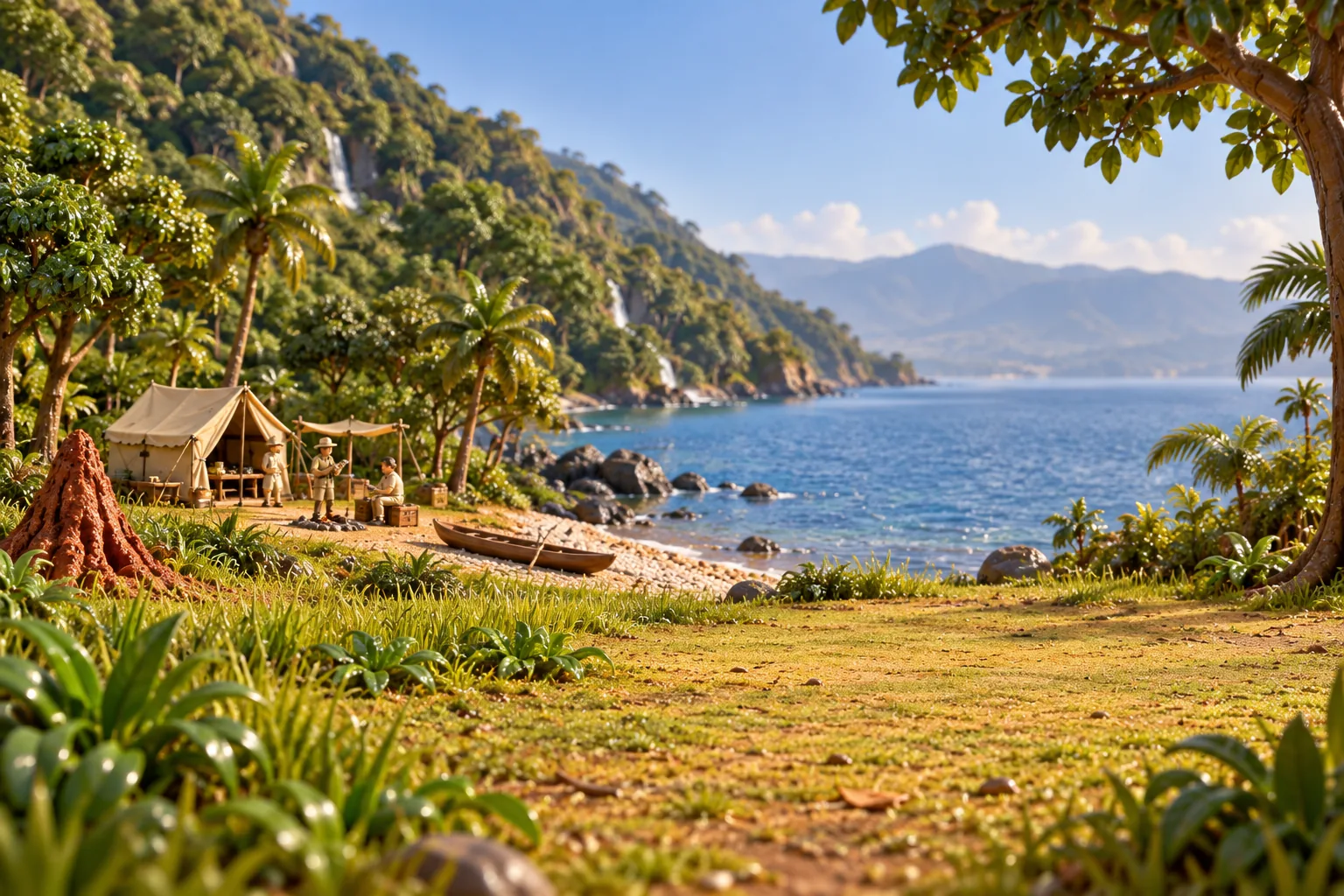
Watching from the forest at Gombe in 1960, a young Englishwoman saw a chimpanzee strip a twig and fish termites out of their mound, and the line between humans and animals moved.
Valerie Jane Morris-Goodall was born on 3 April 1934 in Hampstead, London, the daughter of a businessman and of the novelist Vanne Morris-Goodall, and grew up in Bournemouth. As a small child she was given a stuffed toy chimpanzee called Jubilee instead of a teddy bear. In 1957 she went to Kenya to stay on a friend's farm, telephoned the palaeontologist Louis Leakey to talk about animals, and he hired her as his secretary. He was looking for someone to study wild chimpanzees, believing they could shed light on early humans.
On 14 July 1960 she arrived at Gombe Stream in Tanganyika, accompanied by her mother because the chief warden worried for her safety. That year she watched a chimpanzee she named David Greybeard push grass stalks into a termite mound and pull them out covered with termites; the chimpanzees also stripped leaves from twigs to make better tools. It overturned the belief that only humans make tools, and she also saw that chimpanzees hunt and eat meat. She also described hugs, kisses and tickling among them.
In 1964 she married the wildlife photographer Hugo van Lawick. Cambridge awarded her a PhD in 1965 without a first degree. She founded the Jane Goodall Institute in 1977 and the youth programme Roots & Shoots in 1991, became a UN Messenger of Peace in 2002 and was made a dame in 2003.
Read more on Wikipedia
Sources: en.wikipedia.org/wiki/Jane Goodall


