Our time · person
Stanley Kubrick
A year before men walked on the Moon, a director who had studied NASA spacecraft released a space film so quiet and strange that critics called it an amateur movie.
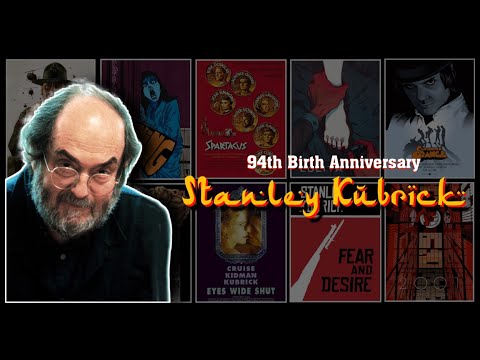
Stanley Kubrick was born in New York City on 26 July 1928 and grew up in the Bronx, the son of a doctor. His father taught him chess at 12 and gave him a Graflex camera at 13. His poor grades at Taft High School ruled out college, but in 1945 Look magazine printed a series of his photographs, and he soon joined it as a staff photographer. He made extra money playing chess in Washington Square Park and raised money from family and friends for his first feature, Fear and Desire, in 1953.
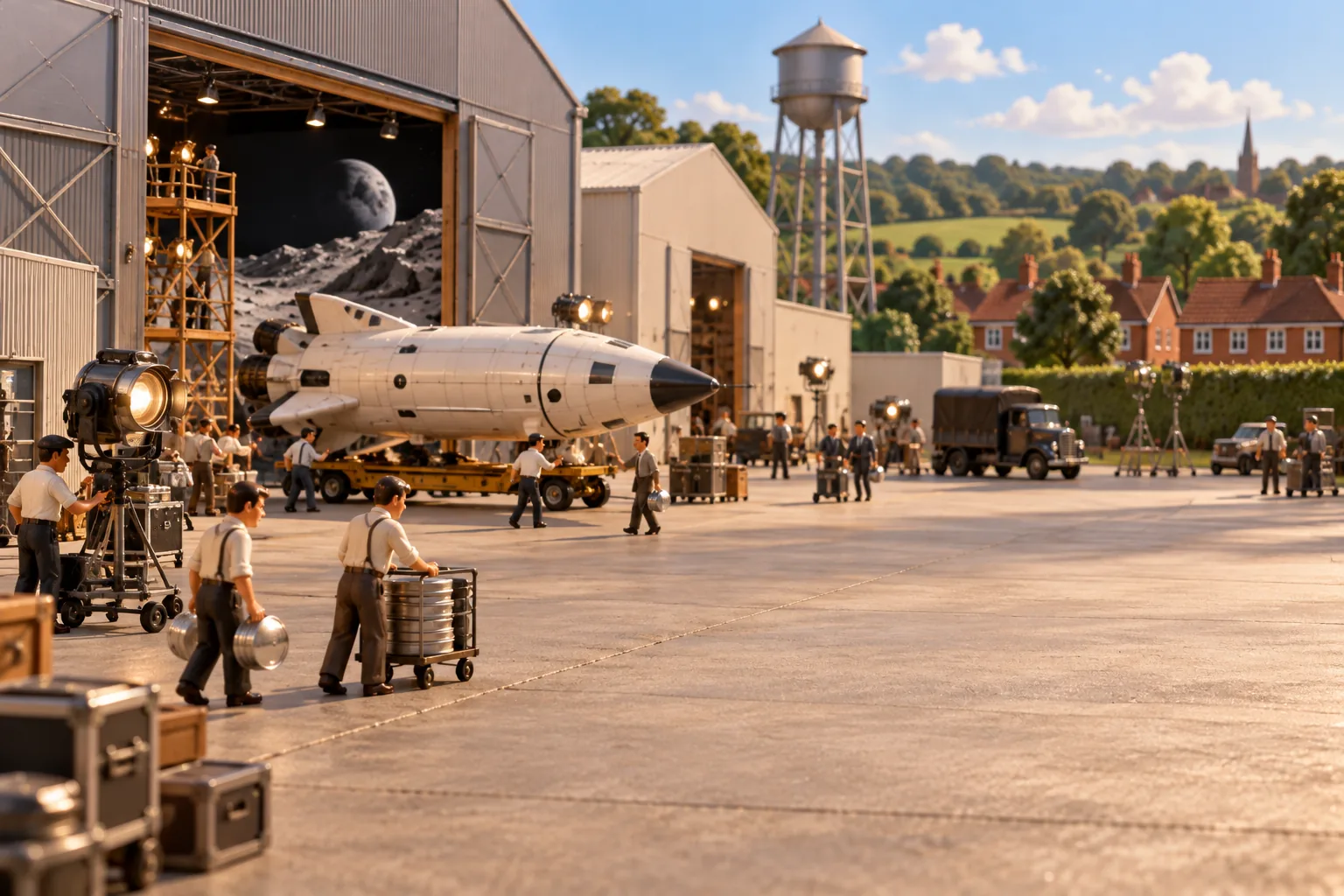
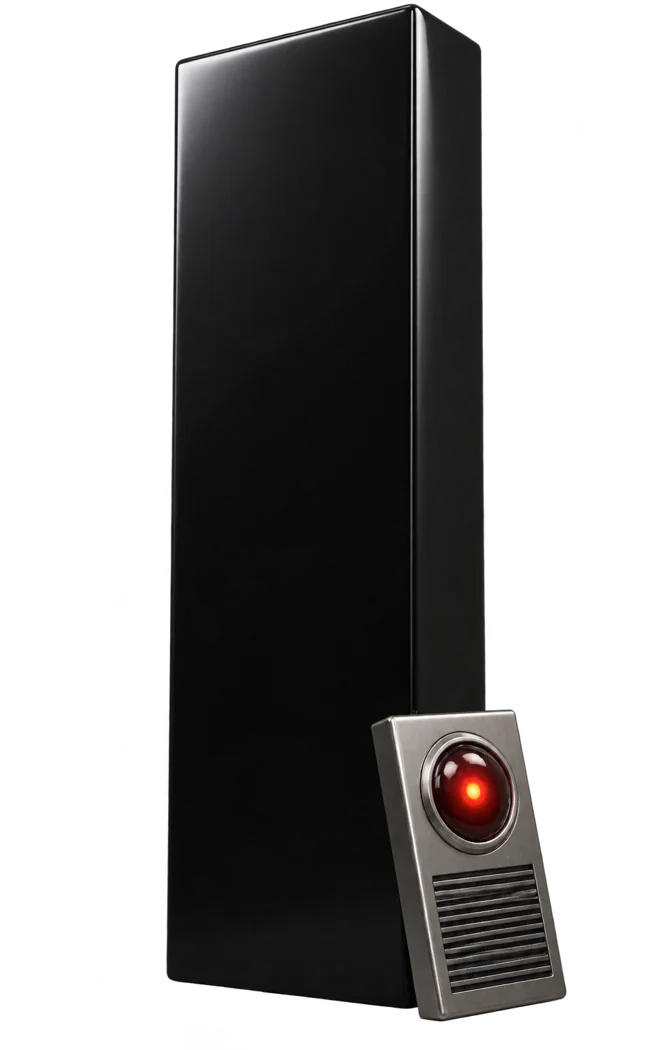
The Killing (1956) was followed by Paths of Glory and Spartacus with Kirk Douglas. In 1961 he settled in England, where he made Lolita and the Cold War satire Dr. Strangelove (1964). That year he met the writer Arthur C. Clarke and proposed building a film on Clarke's story "The Sentinel", about a monolith found on the Moon. In 1965 the Kubricks bought a house next to the Elstree and Borehamwood studios, and filming began on 29 December. Kubrick got NASA's permission to study the Ranger 9 spacecraft, and the effects work pushed the cost to $10.5 million. Released in 1968, 2001: A Space Odyssey puzzled critics with its slow pace and lack of dialogue, but it won him his only Oscar, for visual effects.
A Clockwork Orange (1971), Barry Lyndon (1975), The Shining (1980) and Full Metal Jacket (1987) followed. He died at his home, Childwickbury Manor, on 7 March 1999, aged 70, days after showing his family his last film, Eyes Wide Shut.
Read more on Wikipedia