Industrial age · person
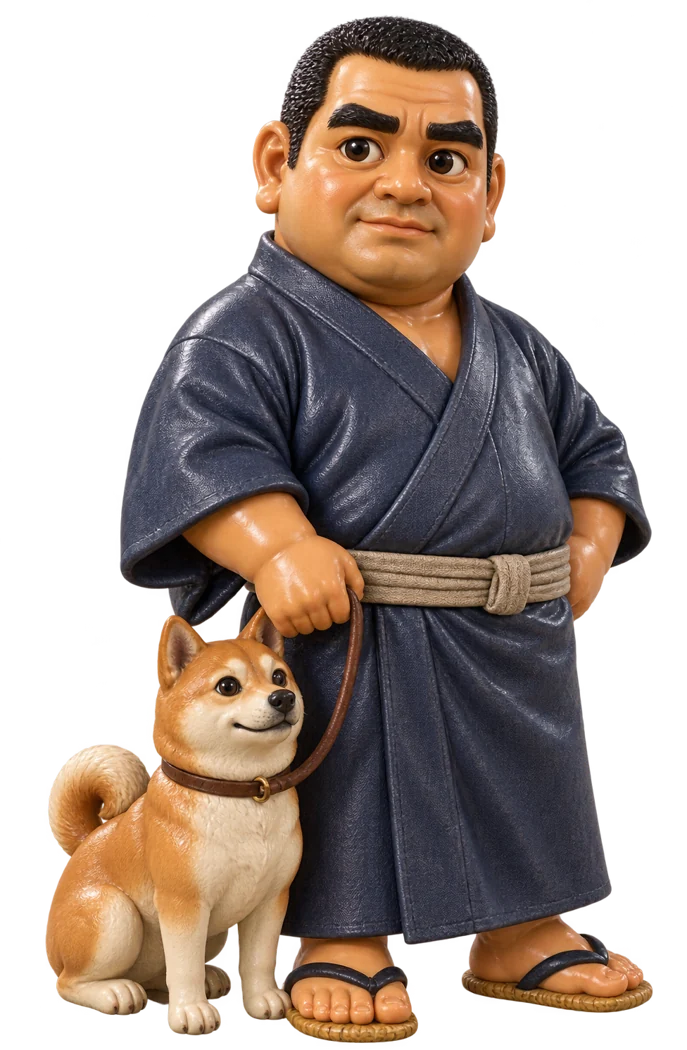
Saigō Takamori
He helped build the new Japan, then came home to Kagoshima to hunt and fish, and in 1877 the samurai who loved him dragged him into a war against it.
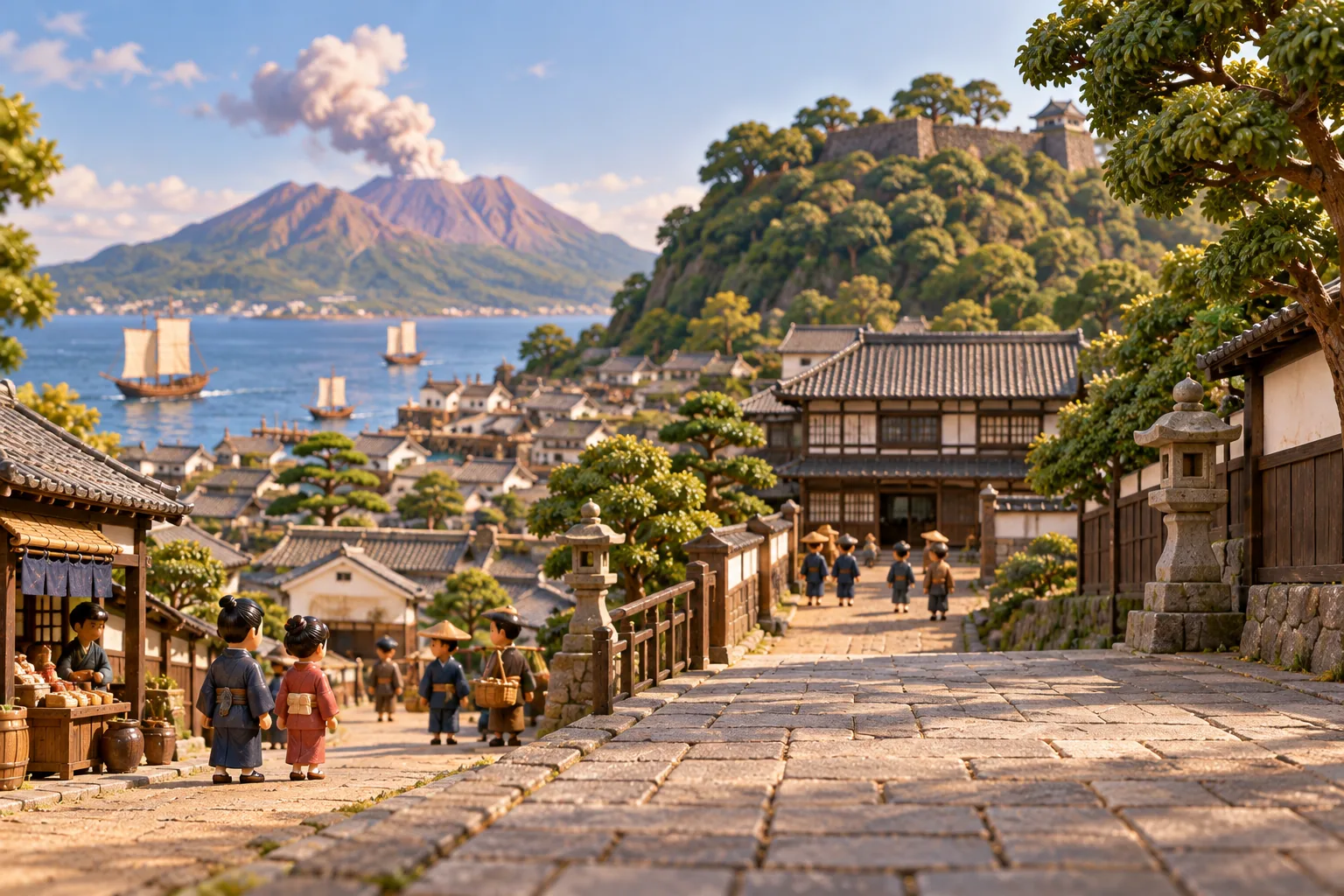
Saigō Takamori was born on 23 January 1828 in Kagoshima, the castle town of Satsuma, into a large, poor family of low-ranking samurai. A badly injured right arm in his early teens turned him from martial arts towards Confucian study. In 1854 the progressive daimyō Shimazu Nariakira made him an attendant, and he threw himself into national politics in Edo and Kyoto. After Nariakira's death in 1858 he faced arrest in the Ansei Purge, and the domain sent him into exile on the island of Amami Ōshima, where he married a local woman, Aigana; a second, harsher exile followed.
Recalled in 1864, he became convinced the Tokugawa shogunate could not be saved. In 1866 he helped seal the secret Satchō Alliance between Satsuma and Chōshū, and in the Boshin War of 1868 he led the imperial forces east and negotiated with Katsu Kaishū the bloodless surrender of Edo Castle. In the new Meiji government he built the Imperial Guard that backed the abolition of the domains in 1871. In 1873, when colleagues led by his childhood friend Ōkubo Toshimichi rejected his plan to go as envoy to Korea, he resigned and went home.
In Kagoshima he founded private schools for samurai. In January 1877 their students seized the arsenal, and Saigō reluctantly led the Satsuma Rebellion. His army was held at Kumamoto Castle and worn down across Kyushu, and on 24 September 1877 he died at Shiroyama with his last few hundred men. In 1889 he was pardoned after his death.
Read more on Wikipedia
Sources: en.wikipedia.org/wiki/Saigō Takamori


