Early modern · person
Şehzade Mustafa
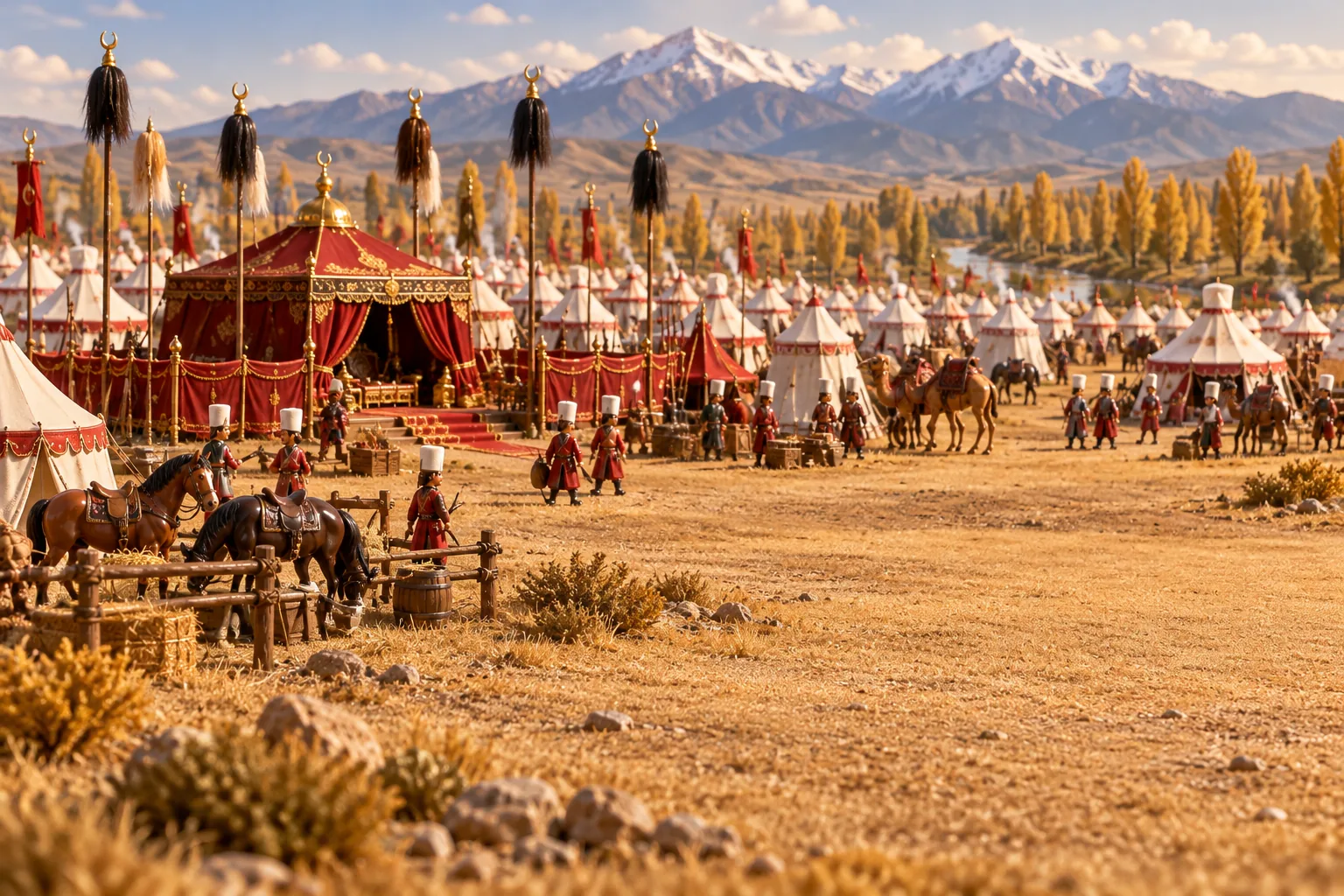
Called to his father's tent, the heir the janissaries loved left his weapons at the door, as custom required, and never came out again.
Şehzade Mustafa was born around 1516 or 1517 in Manisa, the son of Prince Suleiman and his concubine Mahidevran. After Suleiman became sultan in 1520, mother and son lived in the Old Palace in Constantinople, and when his two older half-brothers died that year Mustafa was the only heir, until Suleiman's new favourite, Hürrem, began bearing sons in 1521. He was taught religion and literature, riding and the arts of war, and wrote poems under the pen name Muhlisi.
On 3 May 1533 he became governor of Manisa, and while his father was away on campaign in 1534 and 1538 he was put in charge of Anatolia. Brave and clever, he won great respect among the janissaries. In 1541 he was moved to distant Amasya, which he resented, while Manisa went to Hürrem's sons. In Amasya he became known as a patron of poets and scholars and a just governor, but the grand vizier Rüstem Pasha, husband of his half-sister Mihrimah, blocked his requests for help and, by most accounts, set Suleiman against him.
In 1553, as the army marched against the Safavids, Mustafa came to his father's camp near Ereğli. On 6 October he entered the sultan's tent and was put to death by waiting executioners on charges of treason. His body was taken to Bursa for burial. Grief and anger spread, and Suleiman dismissed Rüstem Pasha.
Read more on Wikipedia
Sources: en.wikipedia.org/wiki/Şehzade Mustafa (son of Suleiman the Magnificent)

