Industrial age · person
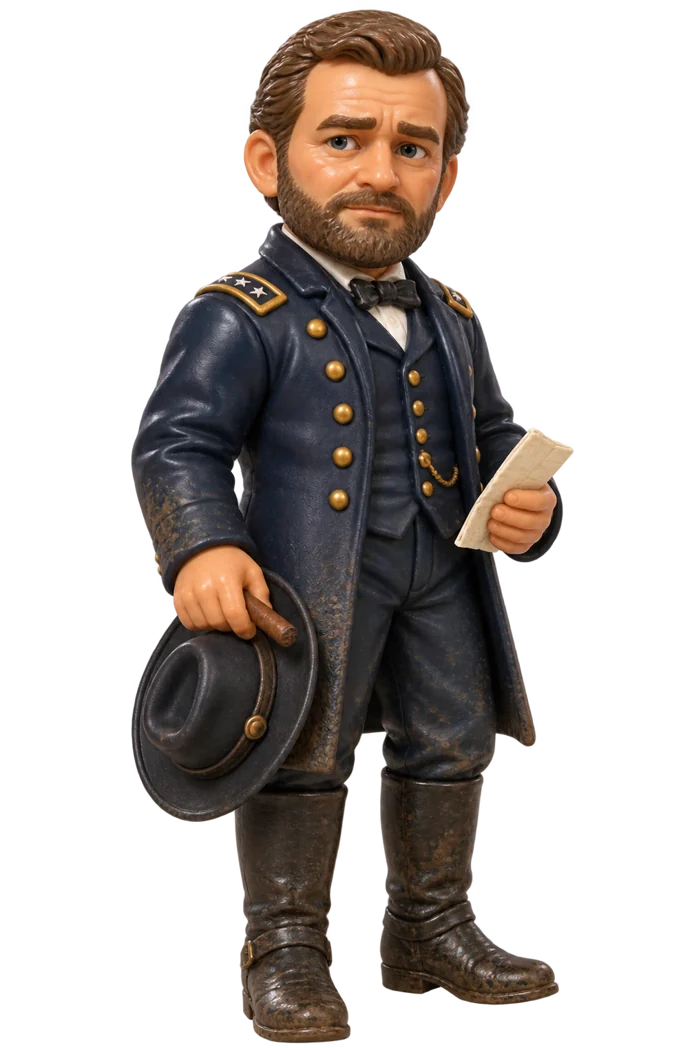
Ulysses S. Grant
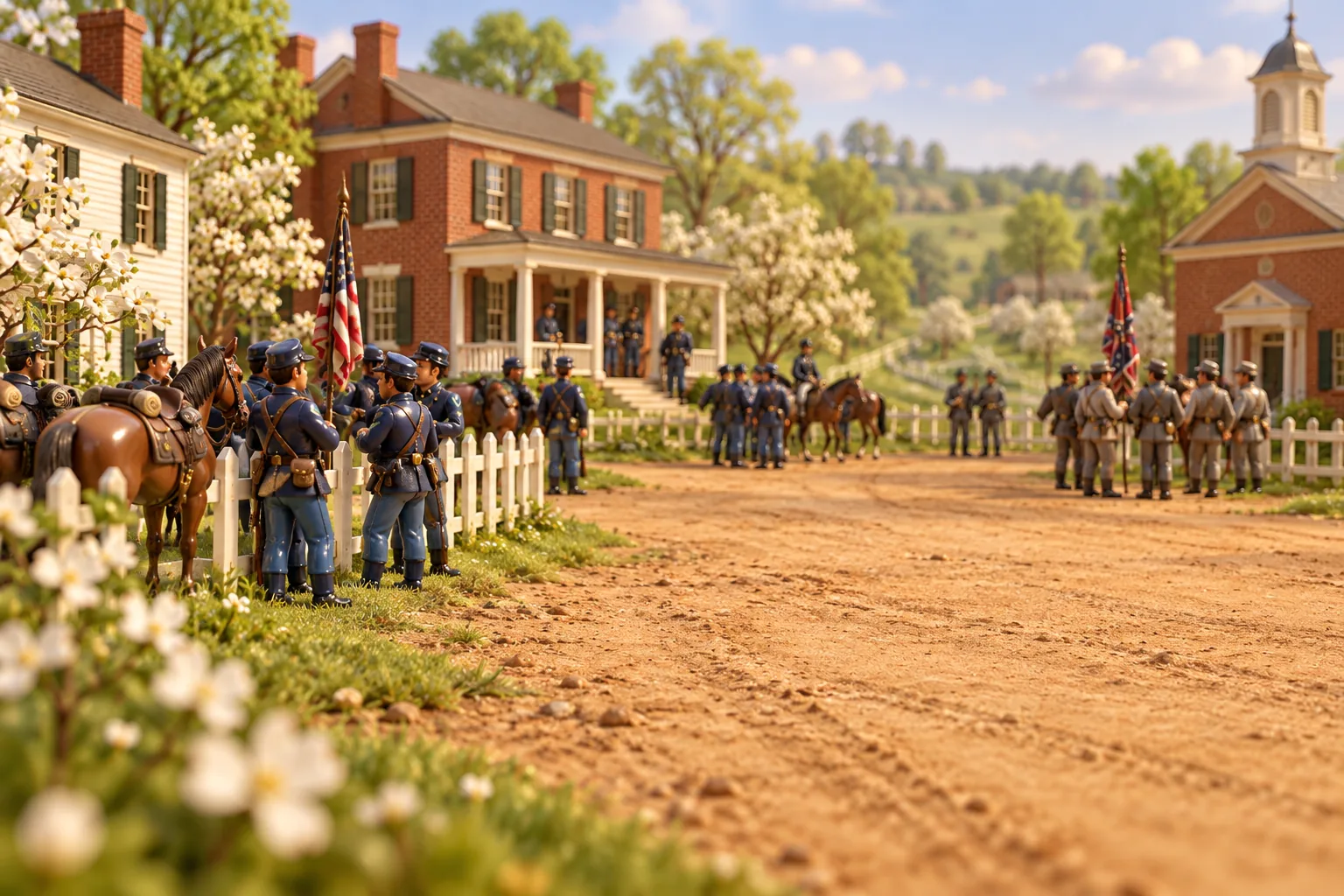
When Lee surrendered, Grant let the Confederate soldiers keep their horses and stopped his own men cheering: "The war is over; the rebels are our countrymen again."
Hiram Ulysses Grant was born in Ohio on 27 April 1822, the son of Jesse Root Grant, a fervent abolitionist. When he entered West Point in 1839, the congressman who nominated him wrote his name as "U. S. Grant", and it stuck. He graduated in 1843, known as the academy's most skilled horseman, fought bravely in the Mexican–American War and married Julia Dent in 1848. In 1854 he left the army with no money and no trade, and he spent seven hard years farming and clerking before taking a job in his family's leather goods store in Galena, Illinois.
When the Civil War began in 1861, he rejoined the army. In February 1862 he took Fort Donelson and more than 12,000 prisoners, the Union's first major victory, and in July 1863 he captured Vicksburg, giving the North the Mississippi River. In March 1864 Abraham Lincoln made him lieutenant general in command of all Union armies, a rank held before only by George Washington. He ground down Robert E. Lee's army in Virginia, and on 9 April 1865, at Appomattox Court House, Lee surrendered to him.
Elected president in 1868, he backed Reconstruction and the Fifteenth Amendment and used the new Justice Department to prosecute the Ku Klux Klan, though scandals marked his two terms. Nearly penniless and dying of throat cancer, he raced to finish his memoirs, completing them on 18 July 1885, five days before he died at Mount McGregor, New York. They earned his widow about $450,000.
Read more on Wikipedia


