Antiquity · person
Xerxes I
Chosen over his older brother because his mother was the daughter of Cyrus the Great, he inherited a vast empire in 486 BC and soon set out to punish Athens.
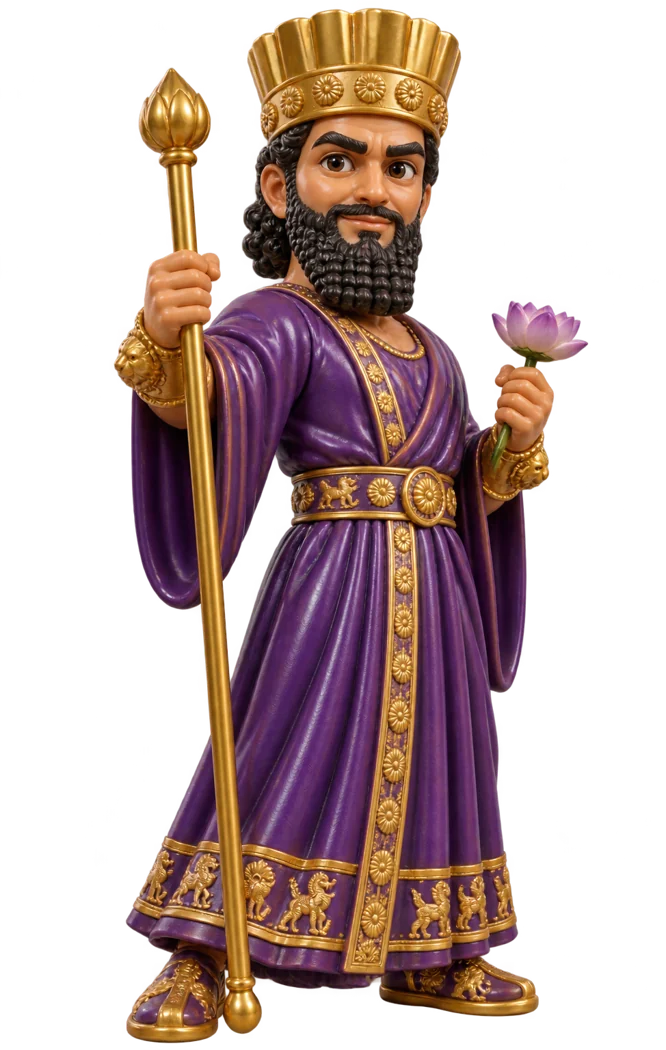
Xerxes, son of Darius the Great and of Atossa, a daughter of Cyrus the Great, was born around 518 BC. Persian custom required a king to name an heir before a dangerous campaign, and Darius chose Xerxes over his eldest son Artobazan. Xerxes argued that his mother was the daughter of Cyrus, who had won the Persians their freedom, and the exiled Spartan king Demaratus backed his claim. When Darius died in October 486 BC, aged 64, Xerxes became the fourth King of Kings of the vast, many-peopled Achaemenid Empire.
He first crushed revolts in Egypt and Babylon, then took up his father's plan to punish Athens for helping the Ionian Revolt. From 483 BC his engineers dug a canal through the isthmus of Mount Athos and built two pontoon bridges over the Hellespont. In 480 BC his army crossed into Europe, broke the Greek defence led by Leonidas of Sparta at Thermopylae and burned Athens, whose people had fled to Salamis. After the Greek naval victory at Salamis he went back to Asia, and his general Mardonius was defeated at Plataea the next year.
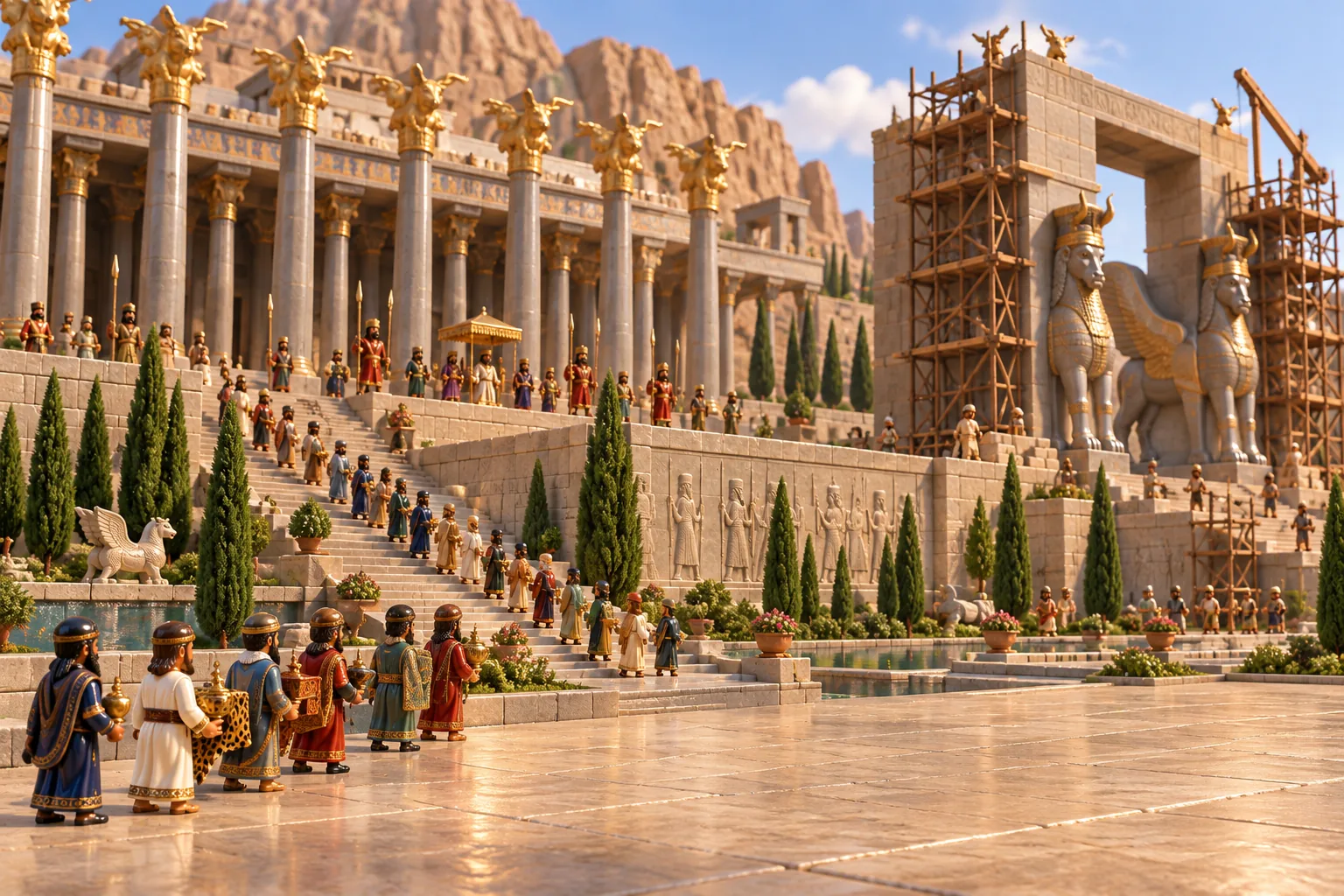
At home he completed the Gate of All Nations, the Apadana and the Tachara at Persepolis, oversaw the Hall of a Hundred Columns, built a palace at Susa and kept up the Royal Road. In August 465 BC Artabanus, the commander of the royal bodyguard, assassinated him, and his son took the throne as Artaxerxes I.
Read more on Wikipedia
Sources: en.wikipedia.org/wiki/Xerxes I