Our time · war
Ogaden War
Halfway through the war the Soviet Union changed sides, and its tanks, advisers and thousands of Cuban troops arrived to fight for the other army.
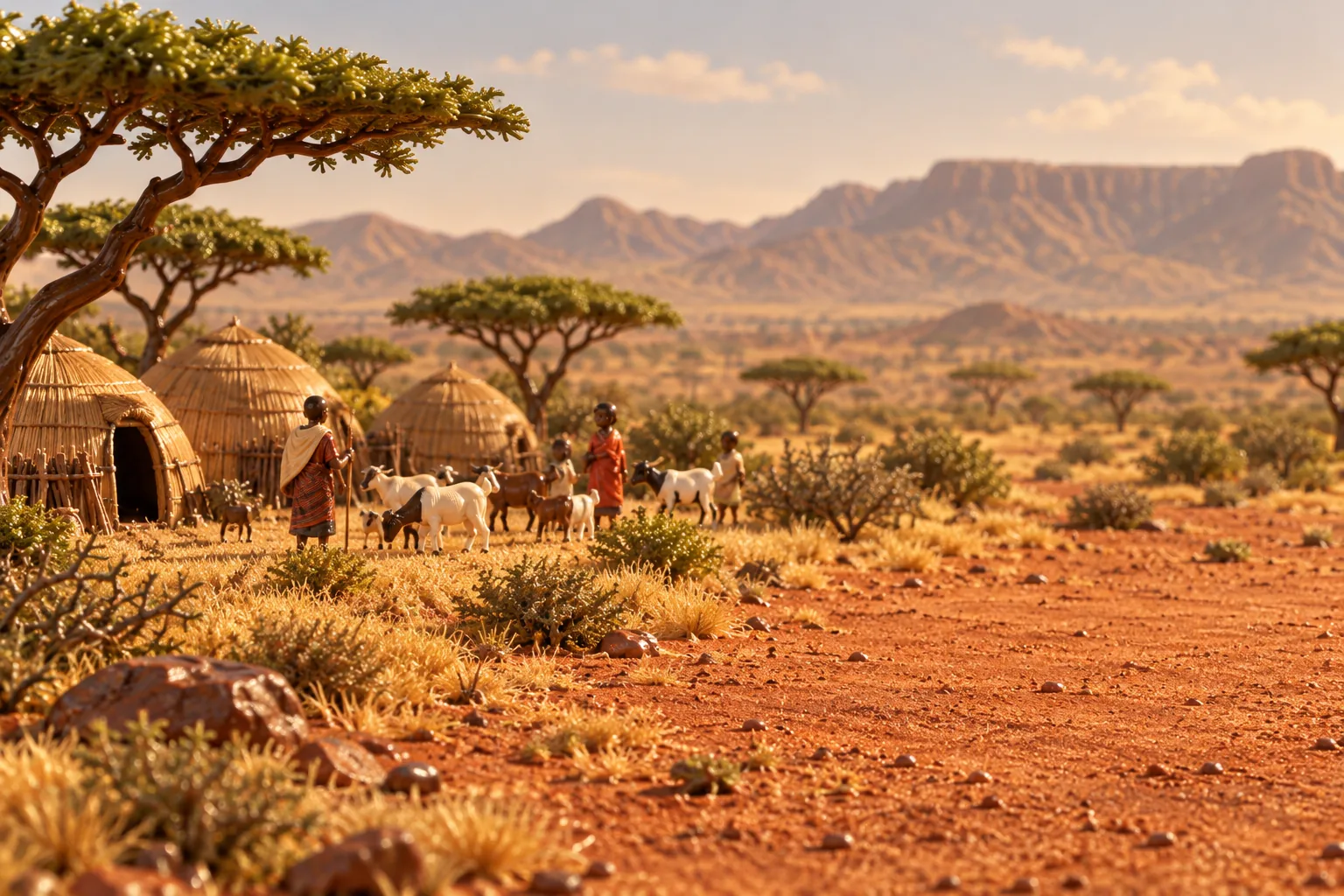
The Ogaden is a vast dry plateau south-east of the Ethiopian highlands, inhabited overwhelmingly by Somali people. Ethiopia's emperor Menelik II pushed into it in the 1880s, and in 1897 Britain recognised much of it as Ethiopian; the last British-held parts were handed over in 1955. Independent Somalia dreamed of uniting all Somalis, and by 1975 its government was backing the Western Somali Liberation Front, which waged guerrilla war in the Ogaden. Ethiopia, meanwhile, was in chaos after a military junta, the Derg, had overthrown the emperor.
In July 1977 the Somali National Army invaded in support of the rebels, with tanks, armoured brigades and jet fighters. It swept across the Ogaden, took Jijiga on 12 September and the vital Marda Pass the next day, and laid siege to Harar. But both countries had been Soviet clients, and the Soviet Union now chose Ethiopia. It stopped arming Somalia and sent tanks, rocket launchers, MiG-21 jets and a huge airlift worth about $1 billion. More than 12,000 Cuban soldiers and 1,500 Soviet advisers, led by General Vasily Petrov, came too.
In early 1978 the Ethiopian and Cuban forces counter-attacked. On 5 March they retook Jijiga, after an airborne attack behind Somali lines, and on 23 March Ethiopia declared the last border post regained. Somalia had lost almost a third of its regular soldiers and half its air force, and the defeat helped set off the revolts that led to its civil war.
Read more on Wikipedia
Sources: en.wikipedia.org/wiki/Ogaden War