Industrial age · war
First Opium War
China's anti-drug commissioner wrote an open letter to Queen Victoria asking her to stop the opium trade; she never received it, and within months the two empires were at war.
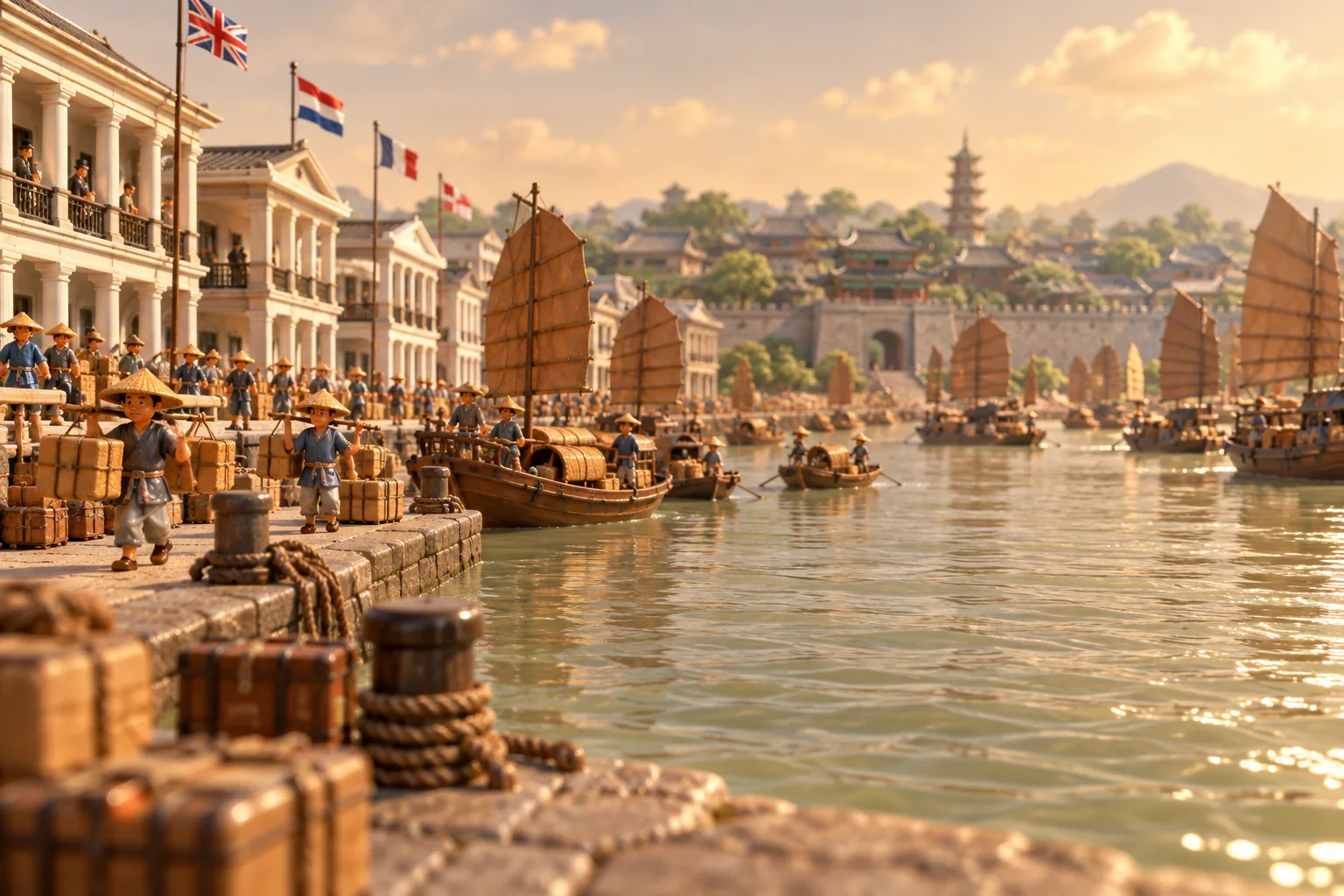
Britain bought huge amounts of tea, silk and porcelain from China, and China would sell only for silver. British merchants found something China would buy: opium, grown in India and smuggled in despite an imperial ban. By the 19th century it was Britain's single most profitable trade. In 1839 the Daoguang Emperor rejected the idea of legalising the drug and sent the official Lin Zexu to Canton, the only port open to Western traders, to stamp it out.
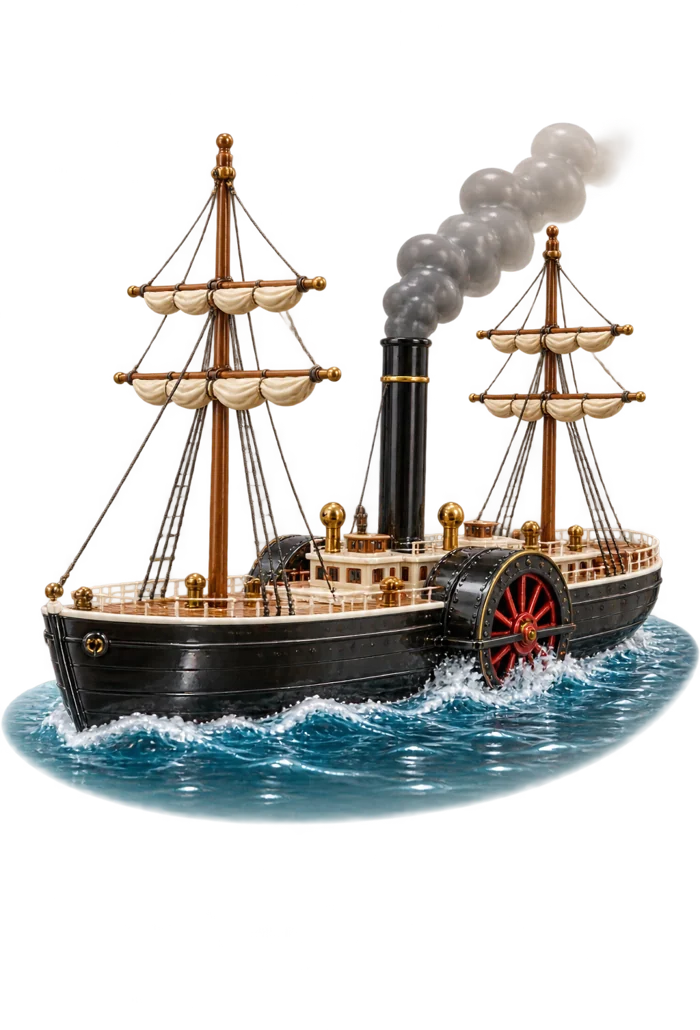
In March 1839 Lin forced British dealers to hand over 1,420 tonnes of opium, and from 3 June he had it destroyed in public on the beach at Humen. Tension grew in July, when drunken British sailors beat to death a villager named Lin Weixi and the British official Charles Elliot would not hand them over. On 4 September 1839 British and Chinese ships fought at Kowloon. In June 1840 a Royal Navy expedition arrived, with the new iron steamer Nemesis, against which the Chinese navy had no answer.
The British won battle after battle along the coast and up the rivers, and occupied Hong Kong in January 1841. The Treaty of Nanking of 29 August 1842 made China pay 21 million silver taels, open five ports to British merchants and hand Hong Kong Island to Britain. Chinese later called it the first of the 'unequal treaties'.
Read more on Wikipedia


