Our time · politics
1954 Guatemalan coup d'état
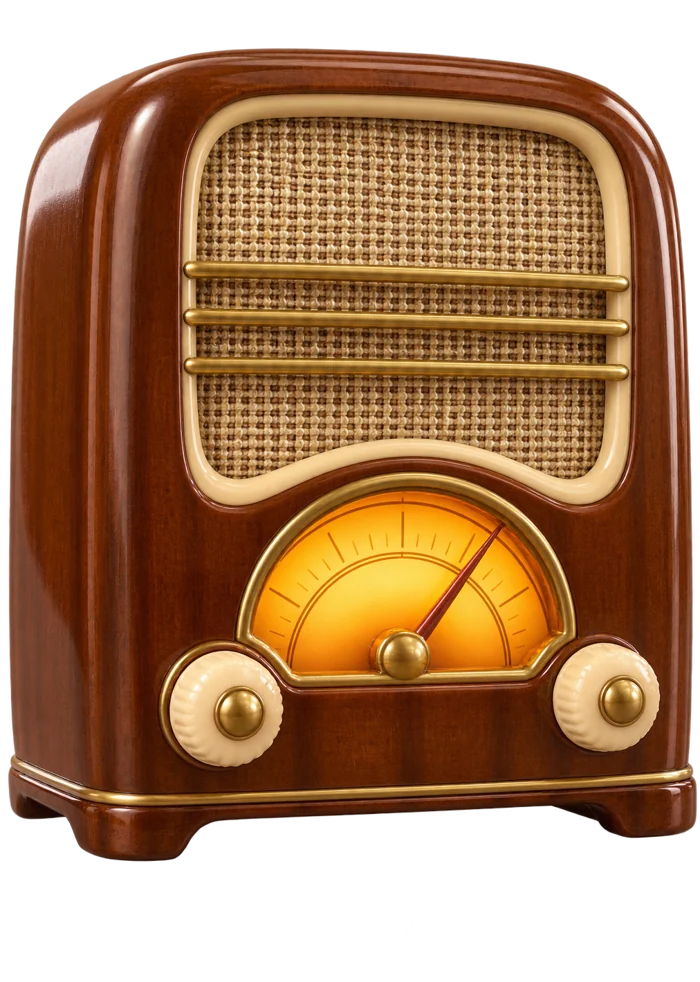
The invading army lost almost every fight it picked; the coup was won by a radio station and the fear of what might come next.
In 1944 a popular uprising toppled Guatemala's dictator Jorge Ubico, and the country held its first democratic elections. President Juan José Arévalo brought in a minimum wage, and in 1951 he was followed by Jacobo Árbenz. In 1952 Árbenz's land reform, Decree 900, took unused land from large estates and gave it to landless peasants; by June 1954 about 500,000 people, a sixth of the population, had received land. The biggest landowner was the American United Fruit Company, whose profits were twice the Guatemalan government's revenue, and it lobbied hard in Washington. Árbenz had also legalised the communist Guatemalan Party of Labour, and the Cold War United States saw a threat.
In August 1953 President Dwight Eisenhower authorised the CIA's Operation PBSuccess. It trained and armed 480 men under the exiled officer Carlos Castillo Armas in Honduras and Nicaragua, blockaded Guatemala's coasts and, from 1 May 1954, ran a fake rebel radio station, the Voice of Liberation. The force crossed the border on 18 June. Most of its attacks failed, but planes supplied by the CIA bombed Guatemala City and the radio spread panic.
Fearing a full American invasion, the army refused to fight. Árbenz tried to arm civilians, then resigned on 27 June. Castillo Armas soon became president, banned opposition parties and reversed the land reform, and his government executed many of Árbenz's supporters. From 1960 Guatemala was torn by a civil war that lasted until 1996.
Read more on Wikipedia