Antiquity · culture
Cities of the Maya
With Stone Age tools and no pack animals, the Maya built cities of stone pyramids in the rainforest and tracked Venus to within two hours.
The Maya lived in what is now southern Mexico, Guatemala, Belize and the western edge of Honduras and El Salvador. Their first cities rose around 750 BC, but from about AD 250 something new appears: carved stone monuments, each dated in the Long Count, a calendar that counted days from a start point in 3114 BC. This Classic period was the age of great building, inscriptions and art.
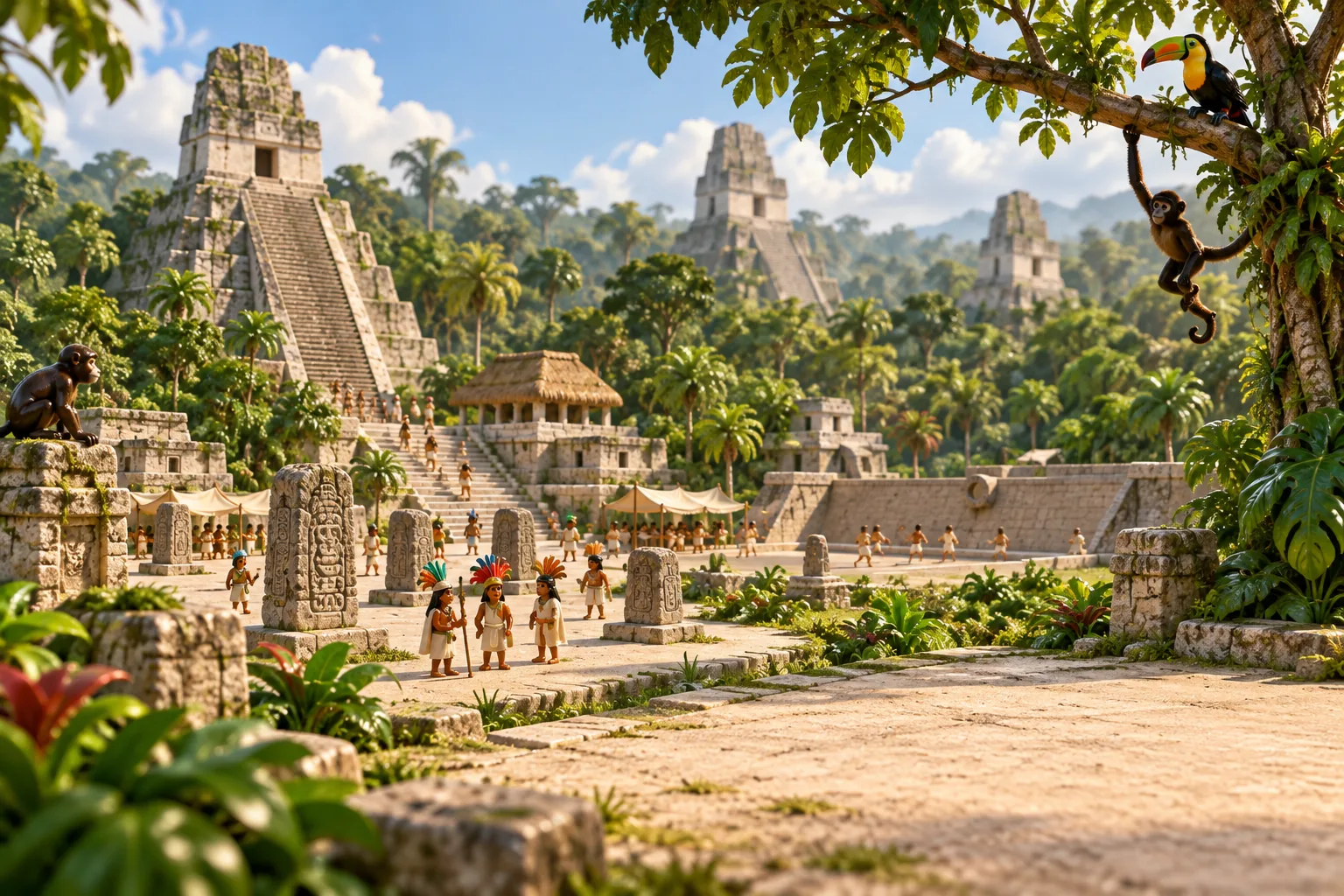
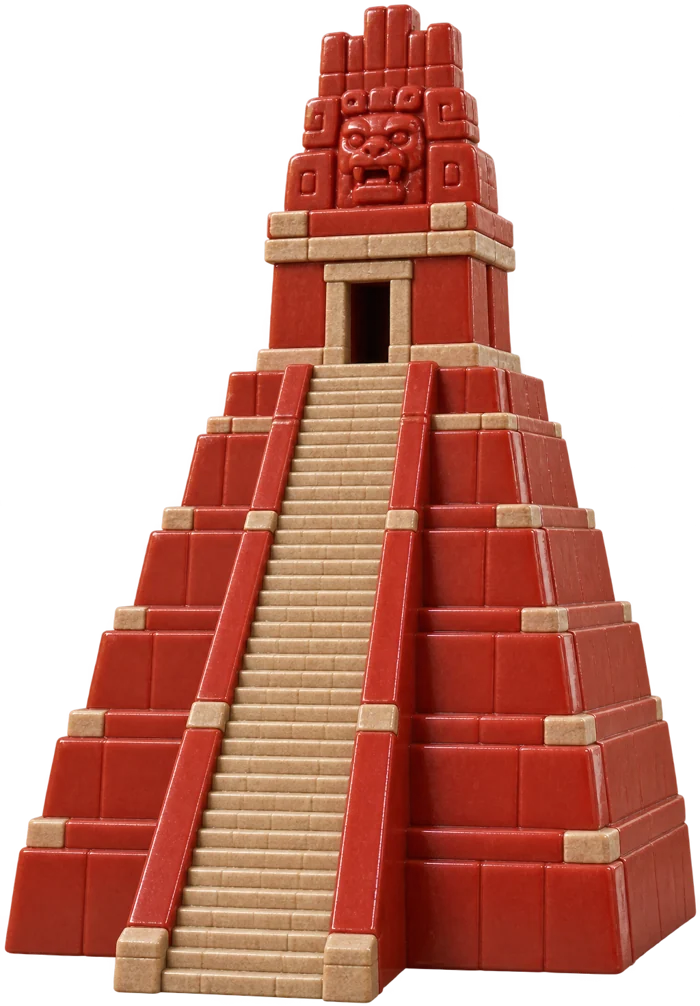
The Maya never formed one empire. Dozens of city-states, each ruled by a divine king, traded, allied and fought. In the lowlands two giants, Tikal and Calakmul, built rival networks of allies and vassals and spent centuries trying to outdo each other. In 378 envoys from distant Teotihuacan in central Mexico took over Tikal; its king died the same day. Cities grew around plazas with tall pyramid temples, palaces and ballcourts, joined by raised causeways. Everything was carried on human backs or by canoe. Scribes wrote in the most developed script of the pre-Columbian Americas, and the Maya counted in twenties with a symbol for zero.
In the 9th century the central Maya region fell apart. Cities were abandoned, royal dynasties ended and people moved north. No single theory explains why; war, overpopulation, drought and damage to the land may all have played a part. Maya cities lived on in the north, and the last independent one, Nojpetén, fell to the Spanish in 1697.
Read more on Wikipedia


