Prehistory · culture
Chauvet Cave
A landslide sealed this cave in southern France for tens of thousands of years, keeping a child's footprints and the soot of ancient torches exactly where they were left.
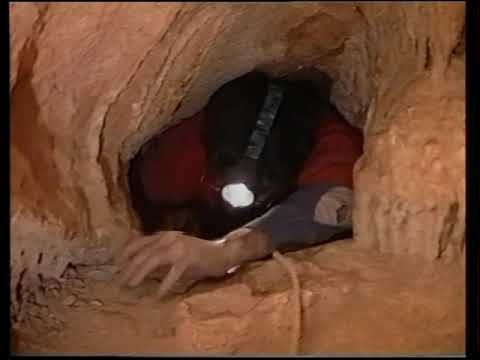
On 18 December 1994 three cavers, Eliette Brunel-Deschamps, Christian Hillaire and Jean-Marie Chauvet, squeezed into a cave in a limestone cliff above the Ardèche river in southern France. Inside they found hundreds of animal pictures, among the best-preserved figurative cave paintings in the world. Radiocarbon dating shows two phases of human visits, one 37,000 to 33,500 years ago and another 31,000 to 28,000 years ago; most of the black drawings belong to the first.
The painted animals belong to at least 13 species. Most Ice Age art shows horses, aurochs and mammoths, the animals people hunted. Chauvet also has predators: cave lions, leopards, bears and cave hyenas, and rhinoceroses as well. The artists scraped the walls clean first to get a smooth, pale surface, and etched around outlines to give the figures depth and a sense of movement. Some panels show scenes, such as two woolly rhinos butting horns. There are red ochre hand stencils, dots and lines, but no complete human figure.
The cave floor still holds cave bear paw prints and the hollows where bears slept. After the later visitors left, a landslide closed the entrance, and the cave lay untouched until 1994. It has been sealed to the public ever since, to avoid the mould that damaged Lascaux; in 2015 a full-size replica opened nearby.
Read more on WikipediaSources: en.wikipedia.org/wiki/Chauvet Cave