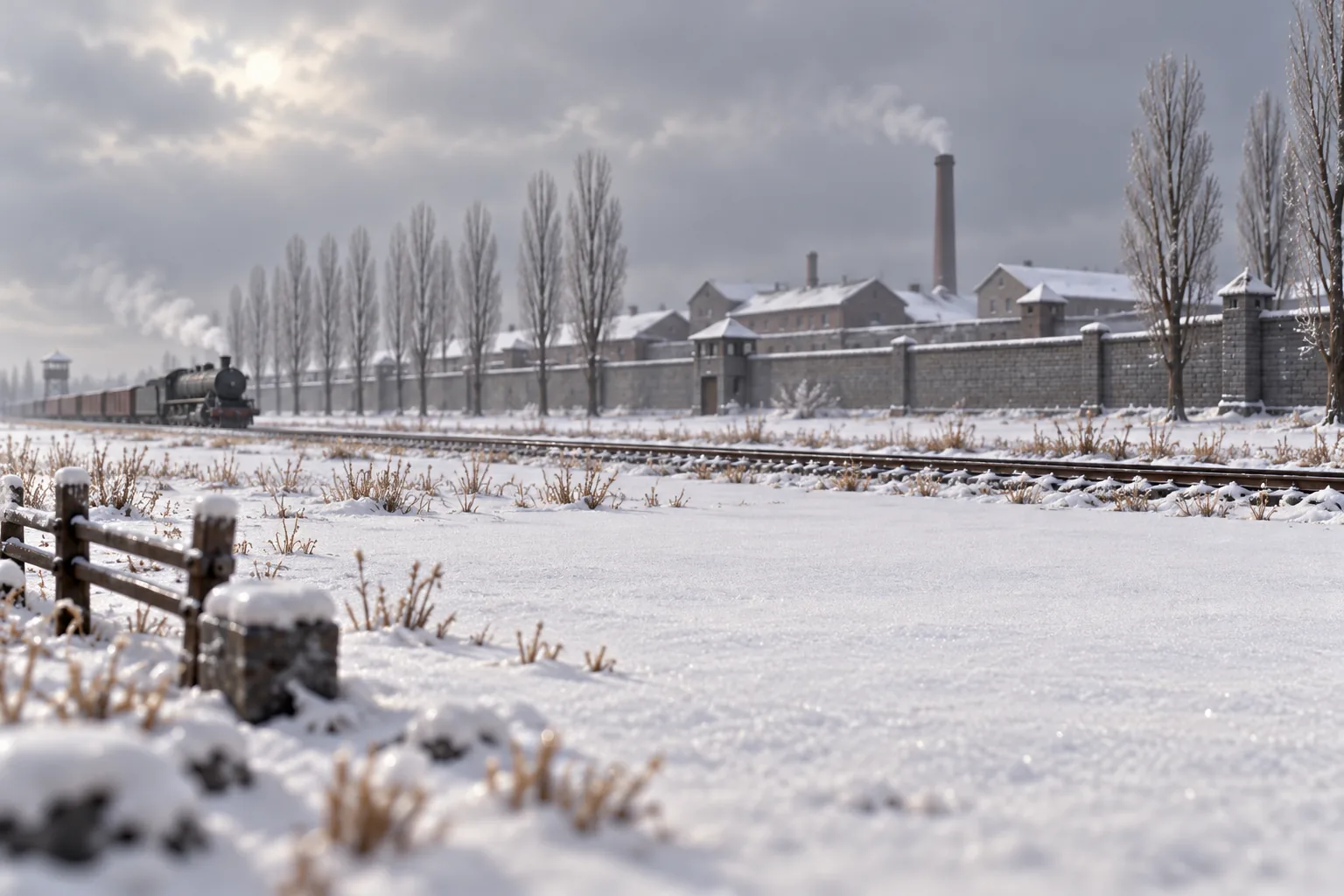

Industrial age · war
Unit 731
After the war its leaders were never tried by the United States: they were granted immunity in exchange for their research data.
Unit 731 was a secret biological and chemical warfare research unit of the Imperial Japanese Army, active from 1933 to 1945. Its main base stood in the Pingfang district of Harbin, in Manchukuo, the puppet state Japan had set up in north-east China. It was led by General Shirō Ishii, and in 1936 Emperor Hirohito issued a decree authorising its expansion and its integration into the Kwantung Army as the Epidemic Prevention Department. From Harbin it ran branches across mainland China and South-East Asia.
An estimated 14,000 people were killed in experiments in the facility itself. The prisoners, whom the staff called "logs", were mainly Chinese civilians, but also Russians, Koreans and others, including children. They were deliberately infected with diseases and subjected to other deadly experiments; no survivors are known. During the Second Sino-Japanese War the unit also carried out the largest biological weapons attacks in history, poisoning water, food and crops, and an estimated 200,000 people died.
In the last days of the war Ishii's men blew up the compound to destroy the evidence, but some buildings survived, and part of the site is now a museum. In 1949 the Soviet Union tried twelve members of the unit at Khabarovsk, who received relatively lenient sentences. The United States granted Ishii and others immunity in exchange for their data, and the Truman administration concealed the unit's crimes.
Read more on Wikipedia
Sources: en.wikipedia.org/wiki/Unit 731