Early modern · politics
Thirteen Colonies
In 1610 the English settlements that would become the United States held about 350 people.
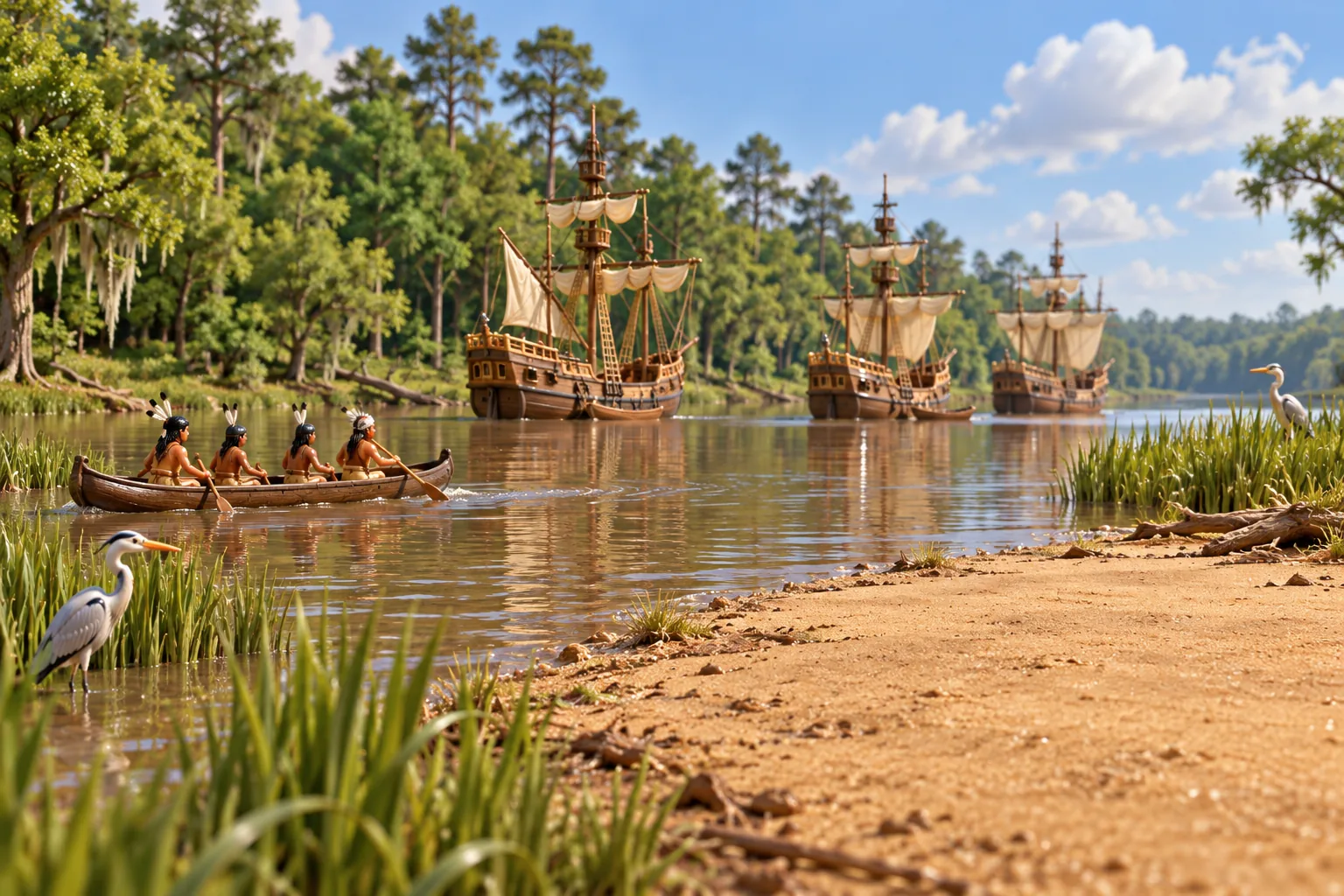
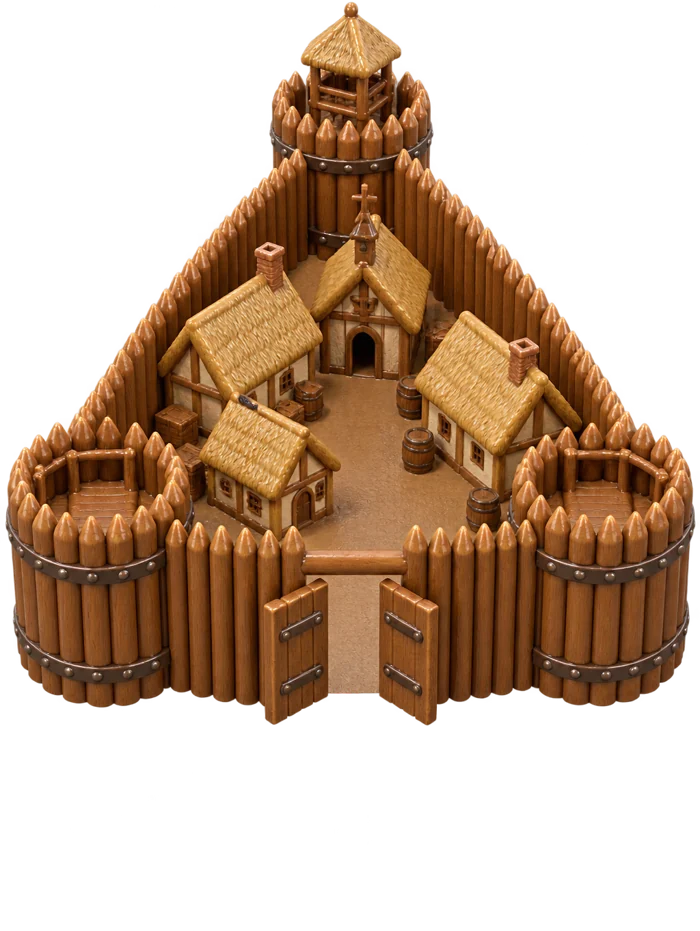
In 1606 King James I of England gave charters to two companies to found permanent settlements in America. An earlier English colony at Roanoke had been found abandoned in 1590. On 14 May 1607 the London Company's settlers founded Jamestown, near Chesapeake Bay, the first permanent English colony on the continent. Virginia survived by turning to tobacco as a cash crop. In 1620 English Puritan separatists, remembered as the Pilgrims, founded Plymouth Colony further north.
More colonies followed along the Atlantic coast, grouped as New England, the Middle Colonies and the South. Maryland, Pennsylvania and the New England colonies were founded largely for religious reasons, the others mainly for business, and the Middle Colonies grew on the former Dutch colony of New Netherland. The last, Georgia, received its royal charter in 1732. Each colony was run separately under the Crown, with its own assembly and elections, and each was dominated by Protestant English speakers.
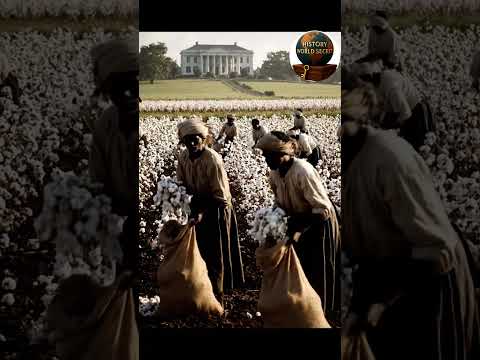
Between 1625 and 1775 the colonial population grew from about 2,000 to 2.4 million, pushing Native Americans off their lands. Slavery was legal in every colony, and enslaved Africans worked the tobacco plantations of Virginia and Maryland and the rice and indigo fields of South Carolina. After the French and Indian War of 1754–1763, quarrels with London over taxes and rights drew the colonies together. In 1776 they declared independence as the United States.
Read more on Wikipedia