Early modern · politics
Haitian Revolution
It is one of the only slave rebellions in history that ended with the rebels founding their own state.
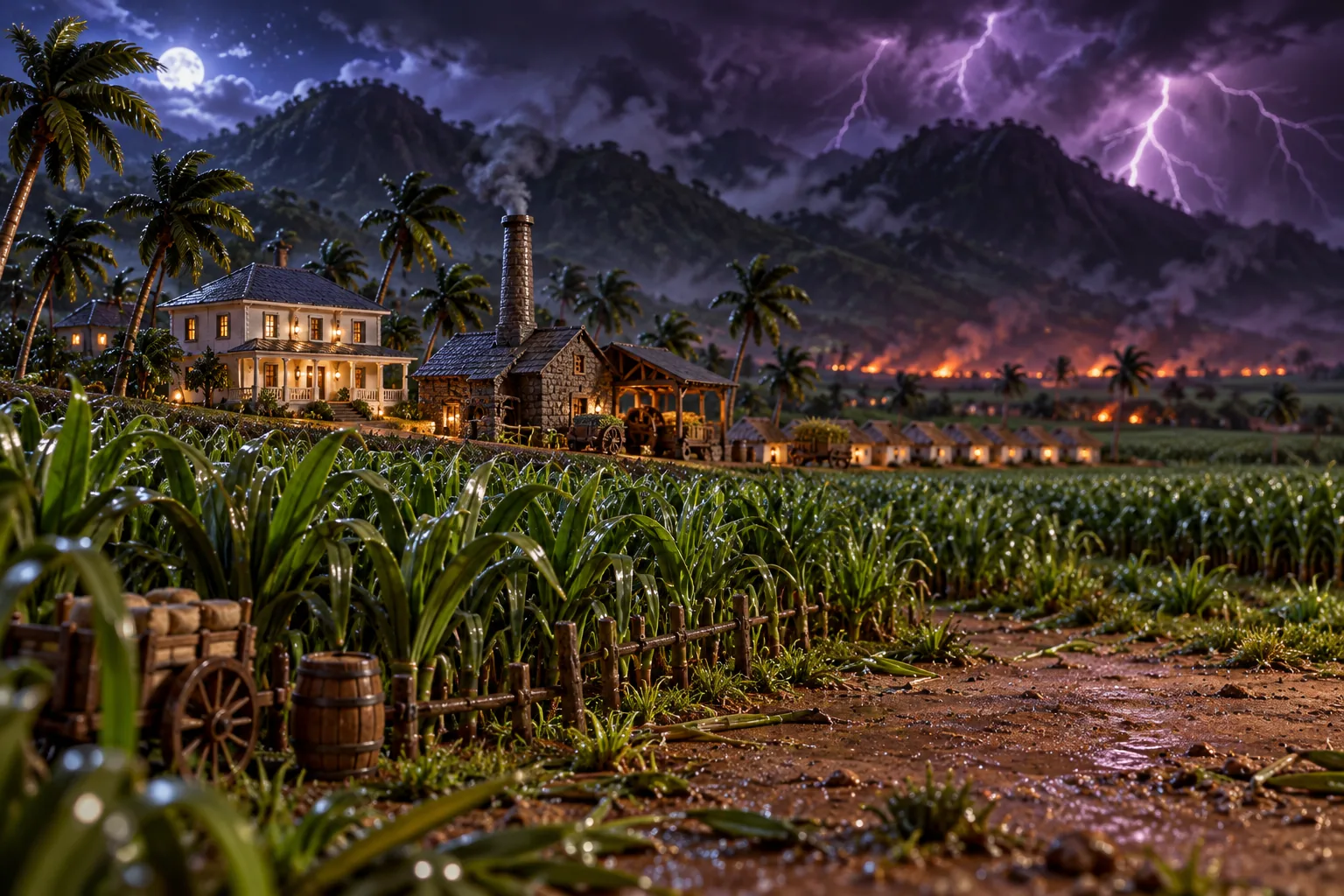
Saint-Domingue, the French western part of the island of Hispaniola, was one of the richest colonies in the world, its sugar grown by enslaved Africans who outnumbered the whites and free people of colour by almost eight to one. Malaria and yellow fever killed many, and conditions were brutal. The French Revolution unsettled the colony: free people of colour demanded citizenship, and planters fought back.
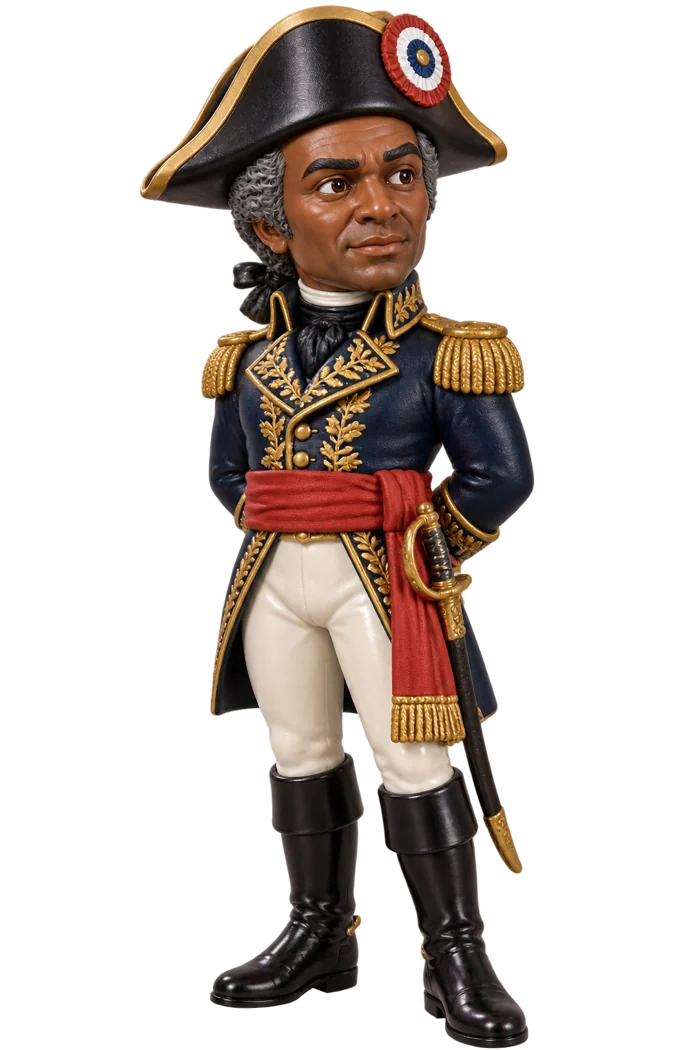
The signal was given by Dutty Boukman, a vodou priest, at a secret ceremony at Bois Caïman, and on the night of 21 August 1791 the slaves of the northern plain rose in revolt. The rising became a long war among rebels, planters, French, Spanish and British forces. Its greatest leader was Toussaint Louverture, a former slave who became the colony's most prominent general. The French commissioner Léger-Félicité Sonthonax abolished slavery in the Northern Province, and in 1794 the National Convention in Paris ended it in all French colonies.
In 1802 Napoleon sent a large expedition under his brother-in-law Charles Leclerc to restore French rule. Toussaint was arrested and deported, and died months later in prison at Fort-de-Joux in the Jura Mountains. But his lieutenant Jean-Jacques Dessalines fought on, and on 18 November 1803 his army defeated the last French forces at Vertières, near Cap-Français. On 1 January 1804, at Gonaïves, Dessalines declared independence and named the country Haiti, after the indigenous name of the island.
Read more on Wikipedia


